
Stay Informed
Get the latest news delivered to your inbox
Breaking Barriers to Care: the SRHR Mobile Clinics in Malawi
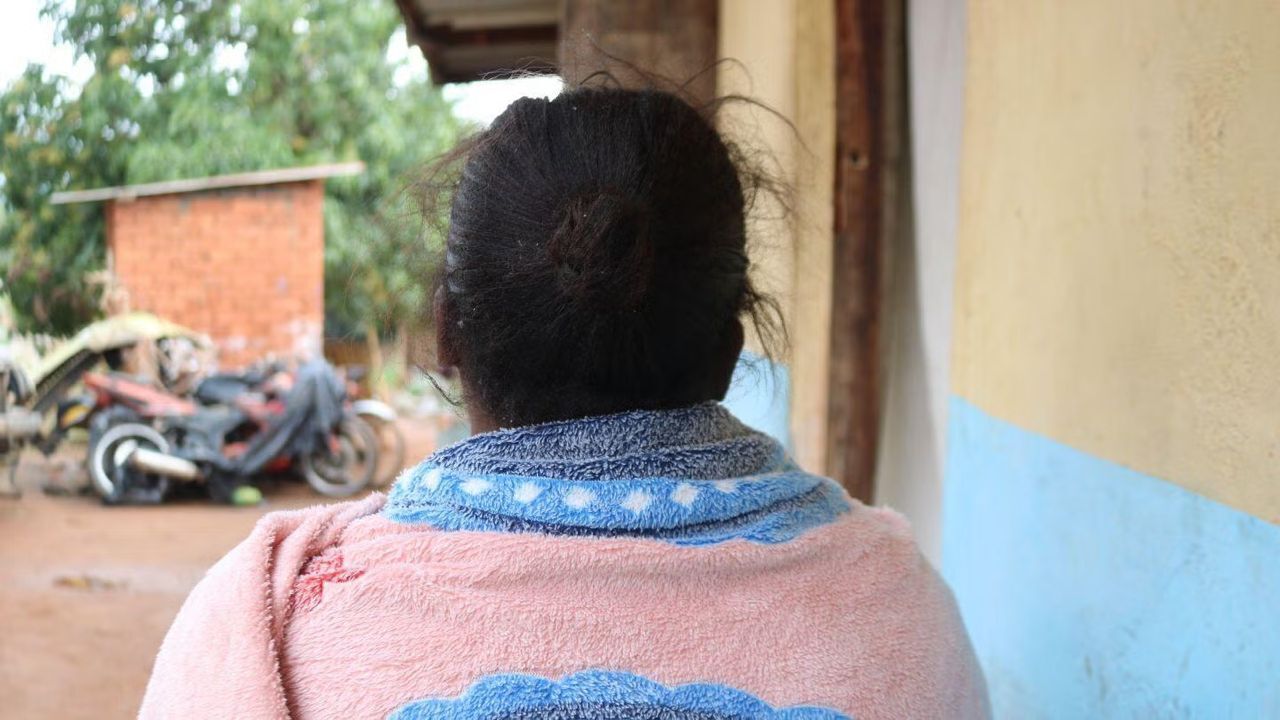
Alinafe is one of many sex workers who benefit from a project called Moonlight Services ©UNFPA/2025
Nkhata Bay, MALAWI — “I don’t want to get pregnant for the next ten years,” says Alinafe Moyo*, a 28-year-old sex worker living in Nkhata Bay District. In this region, large fishing communities and mobile male populations have created a high demand for transactional sex.
For Alinafe, delaying pregnancy is not just a personal preference. It is something many women in her work understand deeply. In Malawi, where the HIV prevalence rate among female sex workers stands at 50 per cent (2025 HIV Epidemiological Estimates), sexual and reproductive health becomes a critical way to safeguard one’s future.
Making a living through smart choices
Alinafe supports herself and her teenage child by balancing two jobs: selling clothes and sex work. Over the years, she’s worked in different parts of Malawi to make ends meet: “Like any job, mine also means moving around and working in different places,” she explains.
Because of this mobility, consistent access to health services is critical. She relies on contraception, regular HIV testing, and mobile clinics to stay healthy. In response, every month, Government health workers supported by UNFPA, under the joint United Nations programme, 2gether 4 SRHR, visit her community to provide medical advice, distribute condoms and birth control, and treat sexually transmitted infections.
"These condoms help protect me from infections and pregnancy. They really make a difference."
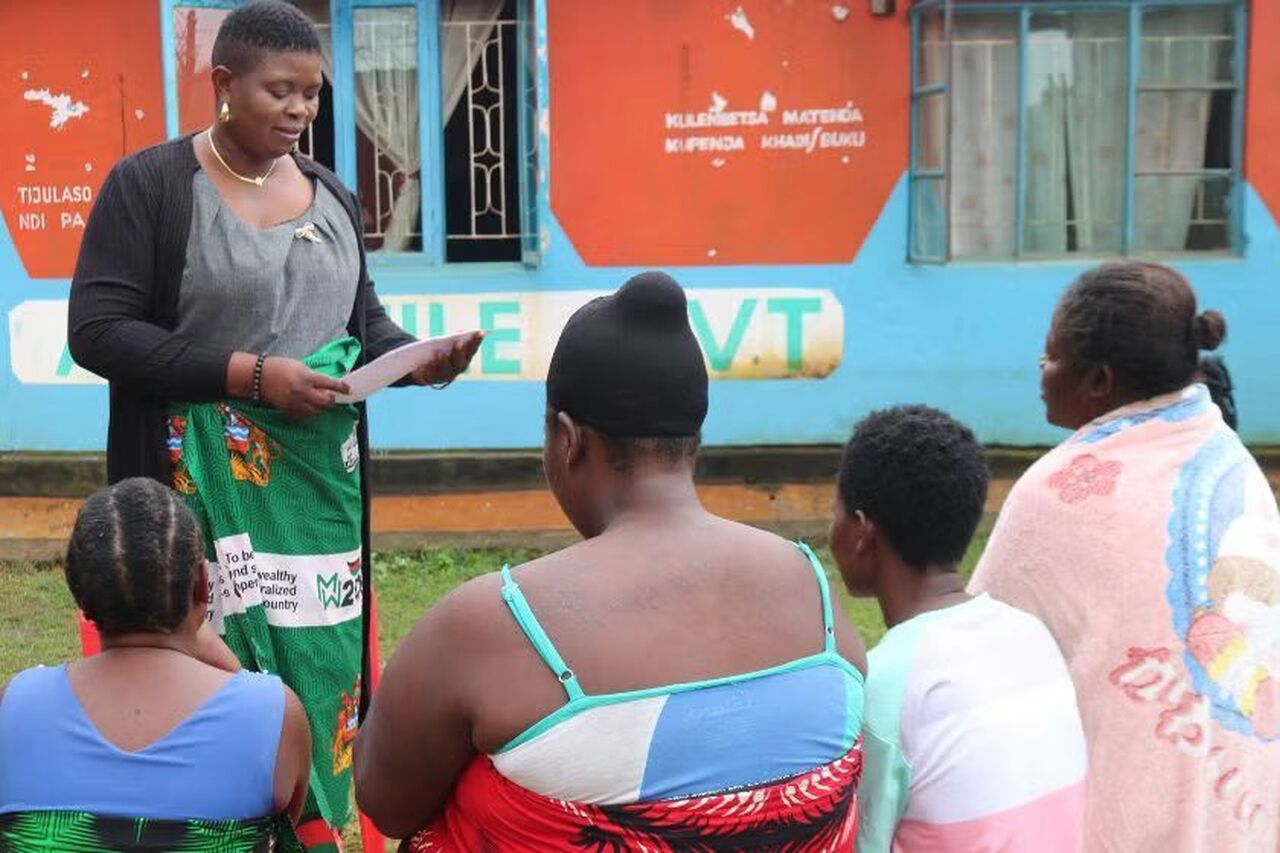
Breaking barriers to care
Alinafea benefits from these ‘moonlight services’ - outreach SRHR services designed to reach sex workers where they live and work. Alinafe now gets regular HIV tests, counselling, cervical cancer screening, condoms, lubricants, birth control, and information about reproductive health, all in one place.
Alinafe is not just focused on the present. She’s thinking about her future, too: “I don’t want to get HIV. That’s why I always use condoms and lubricants. And I really don’t want another pregnancy anytime soon. Not for at least ten years.”
The People Behind the Work
Historically, these women have faced significant barriers to care, but women like Esther, an outreach worker, are working to change that trajectory. She works closely with nurses, like Suzeni, to ensure SRH services are more accessible and consistently available.
“Before, it was hard for sex workers to get help between mobile clinic visits,” explains Suzeni. "Many struggled to access services because they work at night, faced long lines at health facilities during the day, and feared being recognized as sex workers, which made them hesitant to seek care, leading to higher cases of STIs and unplanned pregnancies. Now, outreach workers and peer navigators bring services directly to them, making it more accessible, confidential, and consistent.”
The impact of this outreach is evident in Alinafe’s health record: “I’ve never had an STI since I started this work,” she explains. “That’s because the outreach workers come to us and share everything we need to stay safe.”
For women like Alifanae, this care represents more than just a medical check-up; it is the foundation of her autonomy over health, well-being and future.
*Name changed to protect privacy.
About: 2gether 4 SRHR is a joint United Nations Regional Programme, which brings together the combined efforts of UNAIDS, UNFPA, UNICEF and WHO to improve the sexual and reproductive health rights of all people in Eastern and Southern Africa. For more information and for a one-stop-shop of information and resources in Africa, visit the SRHR Knowledge Hub.
Related Content
Menstrual Health and Disability: Guidance note for practitioners
This guidance note supports menstrual health practitioners in designing and implementing inclusive interventions tailored to...
SRHR Resource: Package for Traditional Leaders/Dikgosi in Botswana
This Resource Package was developed for Traditional Leaders/Dikgosi to support them with key messages to...
Stories of Change from the #WeBelongAfrica Programme
This collection of “stories of change” celebrates progress and persistence. It highlights community leadership, courageous...
Reaching Key Population Groups with Sexual and Reproductive Health Services
This human-interest piece tells the story of James, a gay man living with HIV who...