
Stay Informed
Get the latest news delivered to your inbox
"I didn't realise I was beginning a career" - From community outreach to national leadership
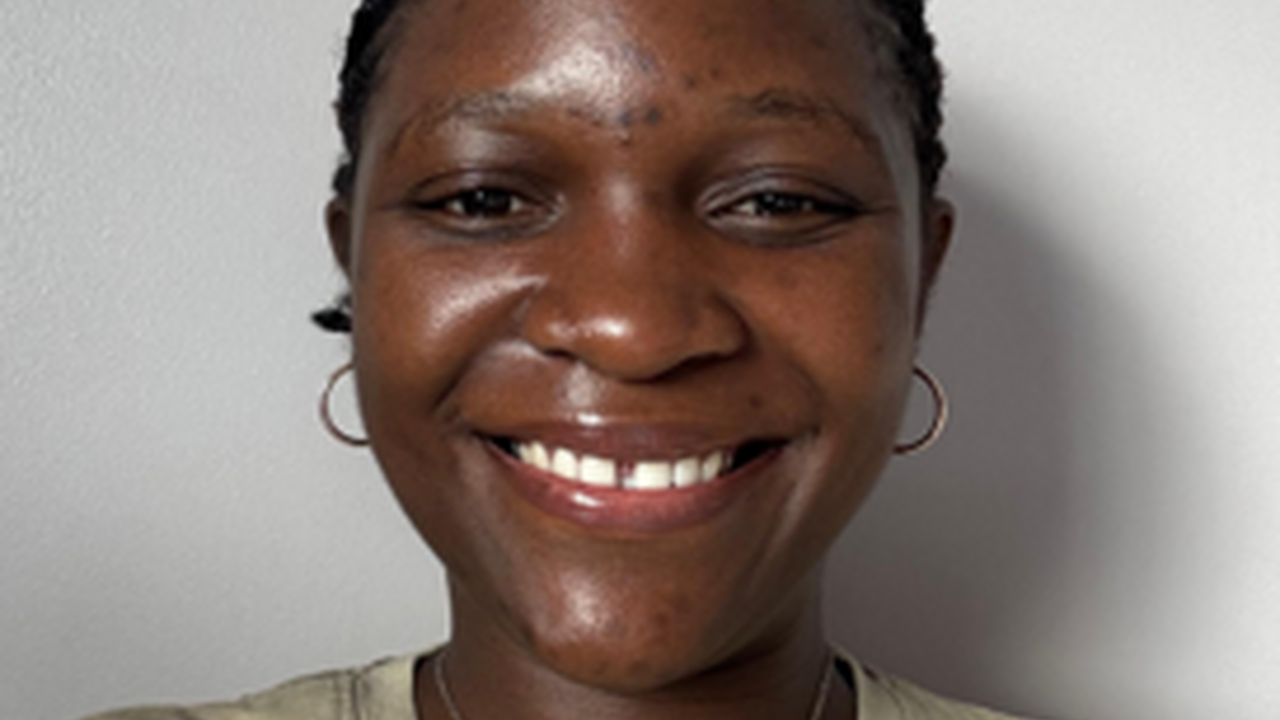
By Kundai Manyika, in Zimbabwe
"If someone had told me when I became a peer provider that one day I would be working to strengthen sexual and reproductive health programmes at a national level, I would never have believed them. At the time, I was simply a young person who wanted to make a difference in my community.
Like many peer providers, I started by talking with young people about HIV prevention, sexual and reproductive health, and the challenges they faced in accessing information and services. We met young people where they were. In communities, schools and other informal spaces, creating safe conversations about topics that were often surrounded by silence, stigma or misinformation.
Very quickly, I realised that information alone was not enough. Many young people already knew about HIV or contraception. What they often lacked was someone they trusted enough to ask the difficult questions. Building that trust became the most important part of my work.
Because I came from the same communities and understood many of the same realities, young people felt comfortable opening up about issues they had never discussed before. Conversations about HIV often became conversations about relationships, gender-based violence, mental health, family pressures or uncertainty about the future.
Those experiences taught me that young people's lives cannot be divided into separate programmes or sectors. Health, education, protection, mental wellbeing and opportunity are deeply connected.
One moment has stayed with me throughout my career. I met an elderly woman who was caring for her teenage granddaughter after she had experienced sexual violence. The grandmother desperately wanted to support her, but she didn't know where to turn or how to begin talking about what had happened. We spent time together discussing the support available, helping her understand the importance of psychosocial care and connecting the family with appropriate services. That experience reminded me that peer support reaches far beyond individual young people. When we strengthen one young person's support network, we often strengthen entire families and communities.
As a peer provider, I also discovered strengths in myself that I had never recognised before. The training I received gave me practical knowledge about HIV, sexual and reproductive health and communication, but mentorship was equally important. Having experienced mentors who believed in me encouraged me to develop new skills, take on greater responsibilities and see myself as a leader.
With every conversation, community meeting and outreach activity, my confidence grew. I began to realise that peer providers do much more than deliver health messages. We build relationships. We identify barriers that programmes cannot always see. We become a bridge between communities and health systems, ensuring that services are shaped by the realities of young people's lives. Those experiences eventually opened doors I had never imagined.
Today, I work as a National Sexual and Reproductive Health Advisor, supporting civil society organisations to strengthen programmes for young people across Zimbabwe. My work now focuses on sexual and reproductive health, mental health and psychosocial support, but I still draw on the lessons I learned as a peer provider every single day. Whenever policies are developed or programmes are designed, I remember the young people and families I met in communities. Their experiences continue to shape how I think about what effective services should look like.
Although my role has changed, my purpose has not. I still believe that young people are experts in their own lives, and that meaningful engagement is essential if programmes are to succeed. The perspectives I gained as a peer provider continue to influence my work, reminding me that the best policies are grounded in lived experience.
Being a peer provider also taught me resilience. Community work is deeply rewarding, but it can also be emotionally demanding. Listening to stories of violence, discrimination and hardship requires empathy, while also recognising the importance of looking after your own wellbeing. Supportive supervision, mentorship and opportunities to reflect helped me continue supporting others while maintaining my own mental health.
Looking back, becoming a peer provider was never just a volunteer opportunity. It was the beginning of a leadership journey. It taught me how to communicate with confidence, advocate for young people's rights, understand health systems and work alongside communities to create change. Those experiences became the foundation for everything I have done since.
Too often, peer providers are viewed only as programme implementers. I see something much bigger.
When peer providers receive quality training, mentorship and opportunities to grow, they become future health professionals, advocates, programme managers and policymakers. Investing in peer providers is not only an investment in today's services. It is an investment in the next generation of leaders who will shape healthier, more responsive systems for young people.
Looking back, I never imagined that my journey would take me from community outreach to national policy. Today, I know that it all began with one simple opportunity to serve my community, and the belief that young people could lead".
- Kundai, 31 , from Zimbabwe is a former community-based Peer Provider and now a National SRHR Advisor.