Invisible No More
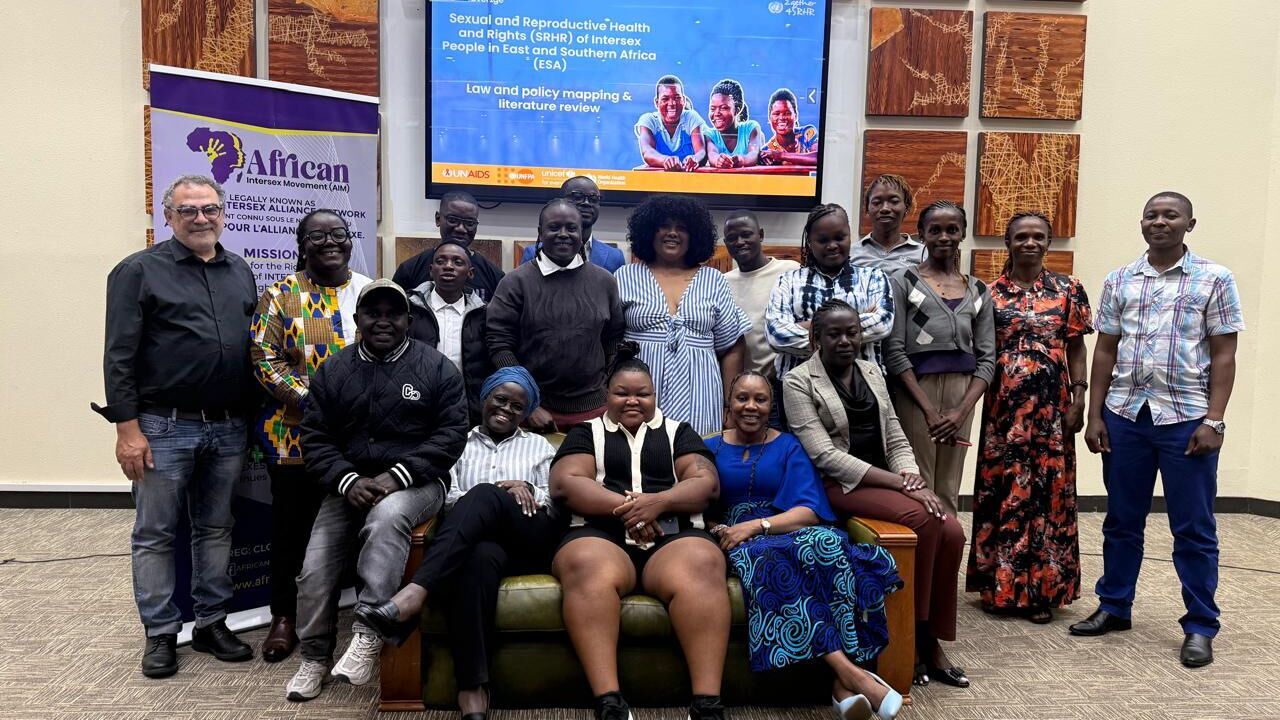
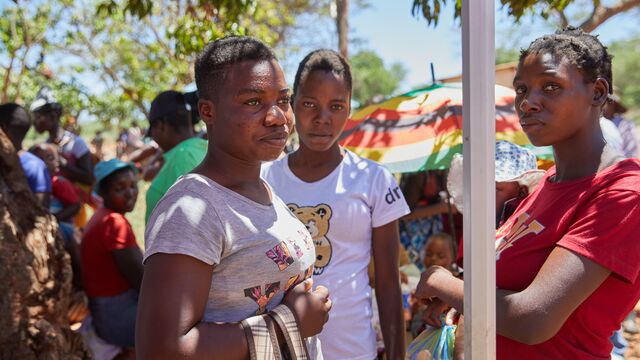
Photo: Delegates from the AIM and UN agencies of 2gether 4 SRHR during a consultation in 2025 to develop the first SRHR guidelines for intersex persons in East and Southern Africa.
Stay Informed
Get the latest news delivered to your inbox
For Maria* the simple act of getting a routine cancer screening is anything but routine. With ovotestis as an intersex variation, Maria can be screened for both cervical and prostate cancer. When she recently went to the hospital for screening, however, the sex listed on her identification card did not match the physical reality the nurses expected. What followed was a familiar, agonizing loop of confusion and interrogation: ‘Why is it that your identification is female, yet the services you are seeking are for the male sex?’ they ask.
Needing to be screened for prostate cancer, and because the ‘health care system is binary,’ Maria explains, she may have no choice but to seek medical care in a private health institution, a financial burden that many may struggle to afford.
Advancing intersex rights
In a first for East and Southern Africa, United Nations (UN) agencies, UNAIDS and UNFPA, under the 2gether 4 SRHR joint programme, and UNDP, recently convened with the African Intersex Movement (AIM), a pan-African, intersex-led movement, for a groundbreaking consultation. The goal? To co-create comprehensive SRHR guidelines explicitly designed by and for intersex persons.
It is estimated that up to 1.7 per cent of the global population (source: OHCHR ) is born with intersex traits. To understand the urgency of this initiative, it is important to understand how the medical establishment has historically treated intersex persons.
"For an intersex person, accessing reproductive healthcare and support often comes with significant difficulty and emotional strain. It is often shaped by spoken and unspoken stigma, limited provider knowledge, and health systems largely designed around the binary notions of sex."
This medicalization leaves deep physical and psychological scars, fostering a distrust of healthcare providers among intersex adults.
Inclusive health
The challenge is not only administrative, but also educational. Many healthcare providers want to deliver quality care but lack the training to do so. Medical curricula are overwhelmingly rooted in a strict male/female binary. When an intersex patient presents for care, even well-meaning doctors and nurses may lack the clinical knowledge and sensitivity required.
The new SRHR guidelines seek to bridge this massive gap. By building the capacity of healthcare providers, the initiative aims to transform clinics into spaces of safety. At the heart of the consultation is a bold reimagining of what healthcare must look like. The working group has focused heavily on adapting the established "nine bundles of SRHR services" to ensure they are fully inclusive and responsive to the needs of intersex persons. Crucially, the advocates at the table have proposed a historic addition: a tenth component specifically dedicated to gender-affirming care. This addition recognizes that SRHR cannot be compartmentalized; bodily autonomy and specialized, affirming care are inextricably linked.
Systemic change, however, cannot happen in isolation. The UN agencies and AIM recognize that dismantling stigma requires bringing the broader community into the fold. The consultation also highlighted the vital need to involve parents of intersex children, empowering them with facts and peer support, to help stop non-consensual procedures at the root. Furthermore, engaging religious and traditional leaders is seen as a crucial step in shifting cultural narratives away from taboo and toward acceptance.
The collaborative guidelines currently being drafted represent more than just a medical framework; they signal a future where healthcare systems adapt to fit the reality of human diversity, and where bodily autonomy, informed consent, and comprehensive sexual and reproductive healthcare are fundamental realities for intersex persons across the region. For individuals like Maria, these guidelines indicate a future where an ID card mismatch does not dictate their future, and where walking into a health clinic for a cancer screening is just a routine act of care.
*name changed