“Now we speak up”: How adolescent girls in Cabo Delgado are rebuilding their futures despite conflict and climate change
Stay Informed
Get the latest news delivered to your inbox
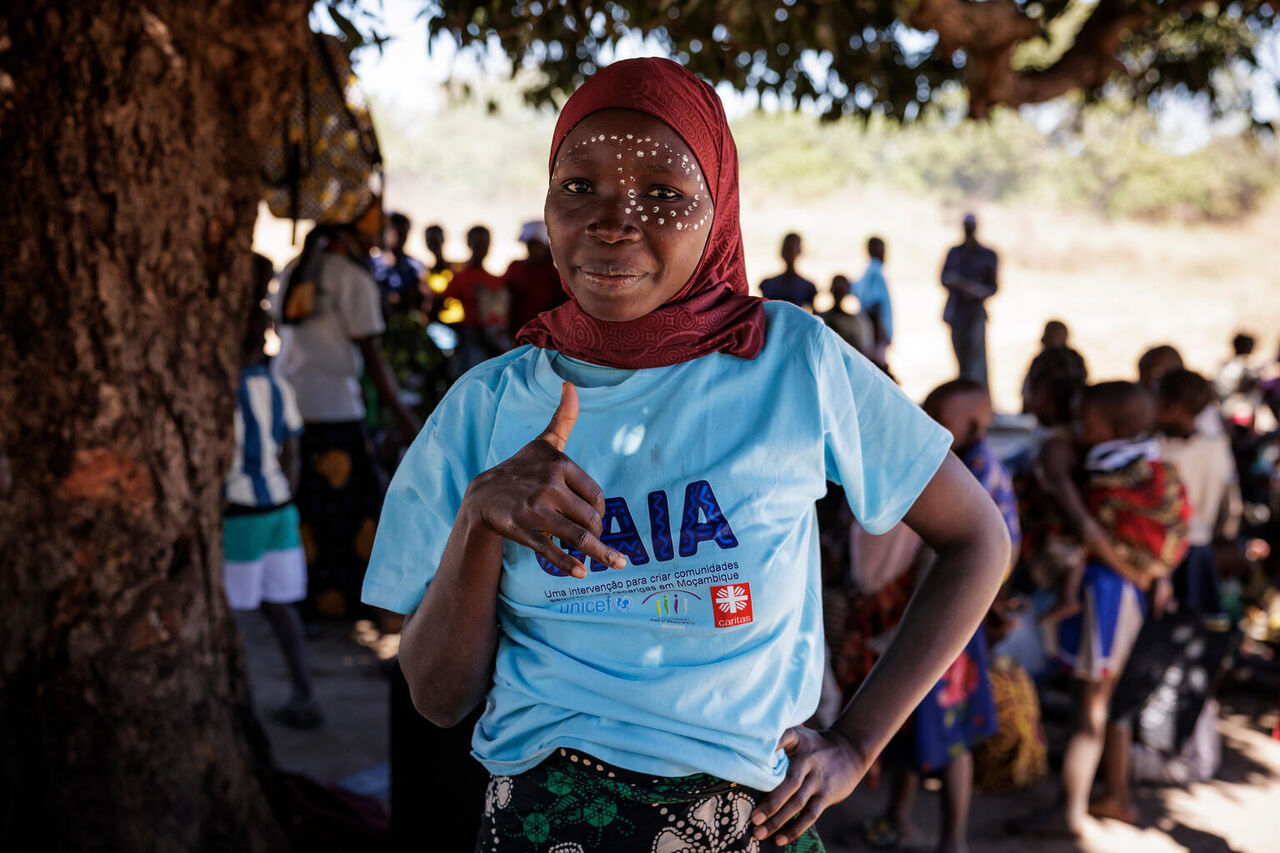
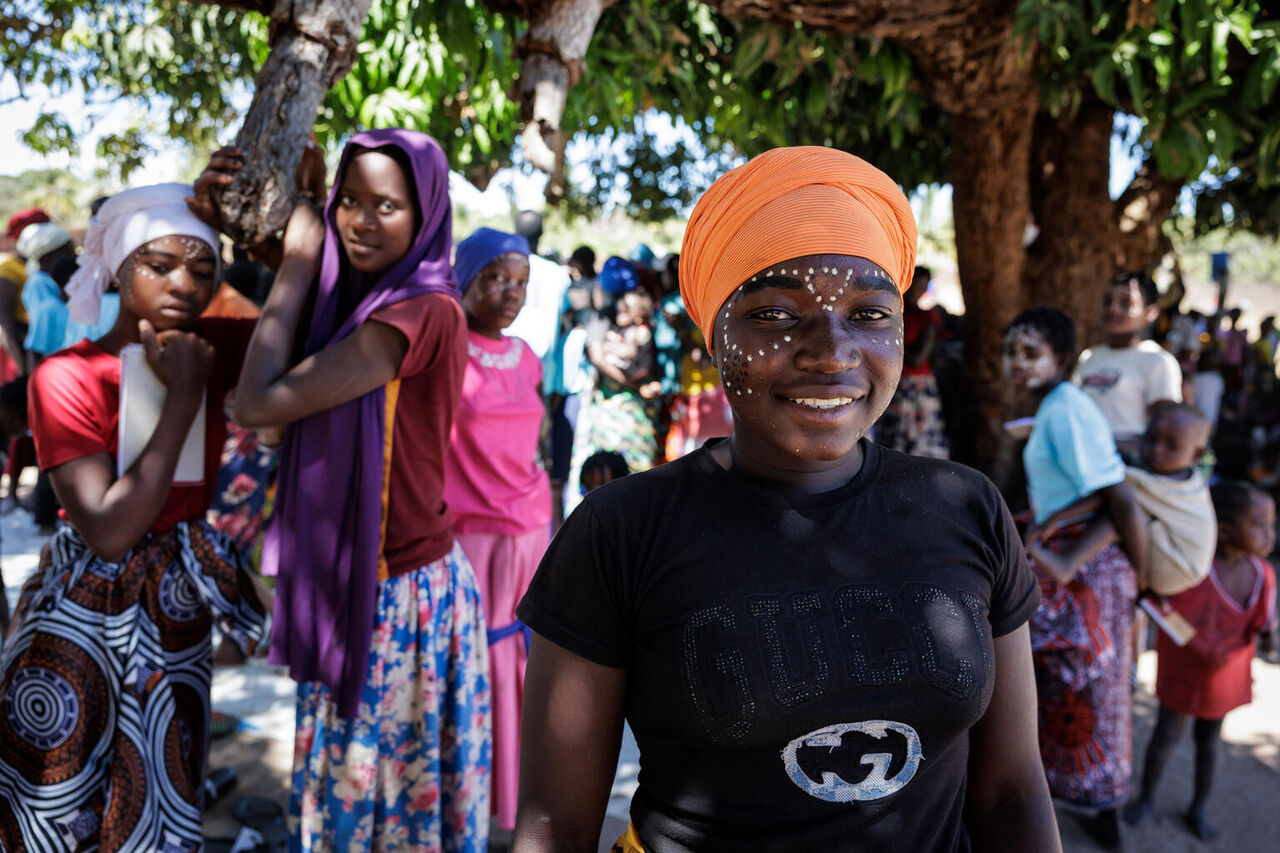
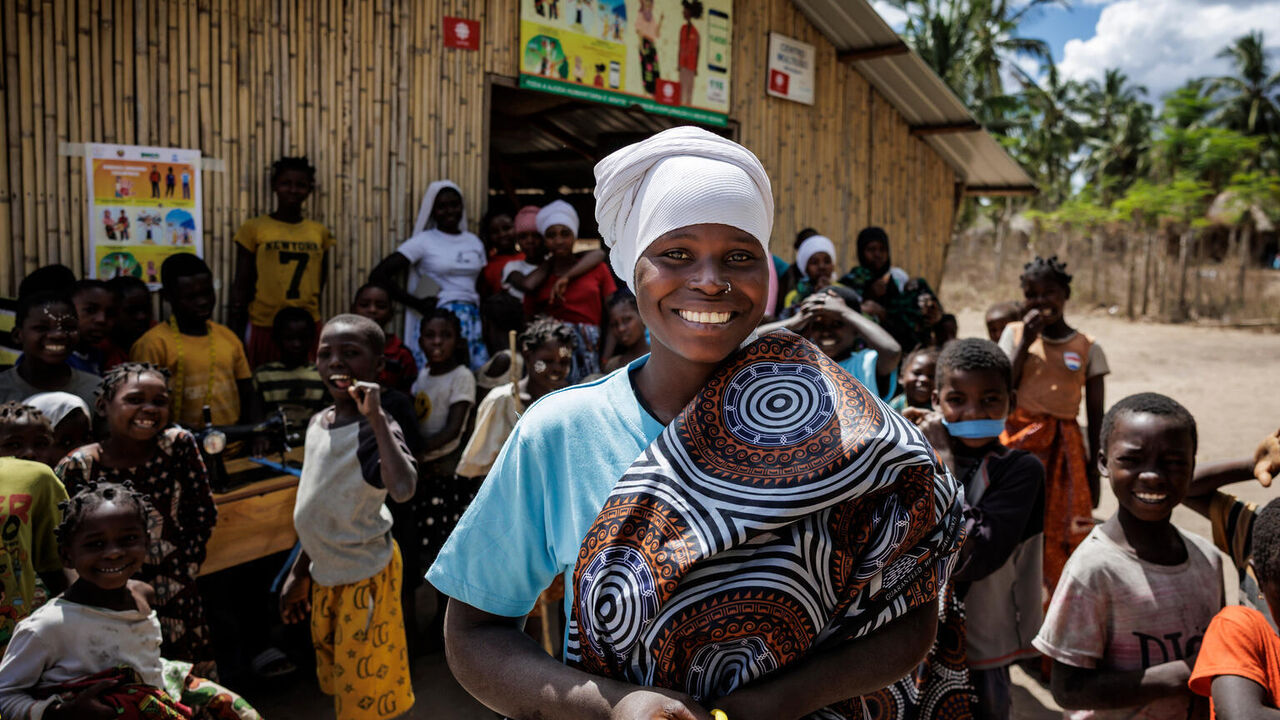
Rabia Rachide, 19, Grade 8, Mariangone
For many adolescents in northern Mozambique, conflict, displacement and climate shocks have disrupted childhood, education and opportunities for the future. When armed groups reached her community, Rabia, 19, fled Mariangone with her family, spending four months away from home. Elisite, 17, and her family fled twice because of violence. Elisabete, 17, faced a double jeopardy and was displaced by insecurity and later saw her family's home destroyed by a cyclone.
Women and girls bear the greatest impact of conflicts and disasters and are the majority of those forcibly displaced, increasing the risk that they will experience sexual violence. Loss of livelihoods during emergencies often results in increased rates of domestic violence, transactional sex, child marriage and female genital mutilation (FGM).
Yet in this community shaped by years of upheaval, many adolescents are finding new confidence, skills and hope through Girls Are In Action (GAIA), a programme that helps young people build resilience, strengthen life skills and support one another.
Rebuilding confidence after crisis
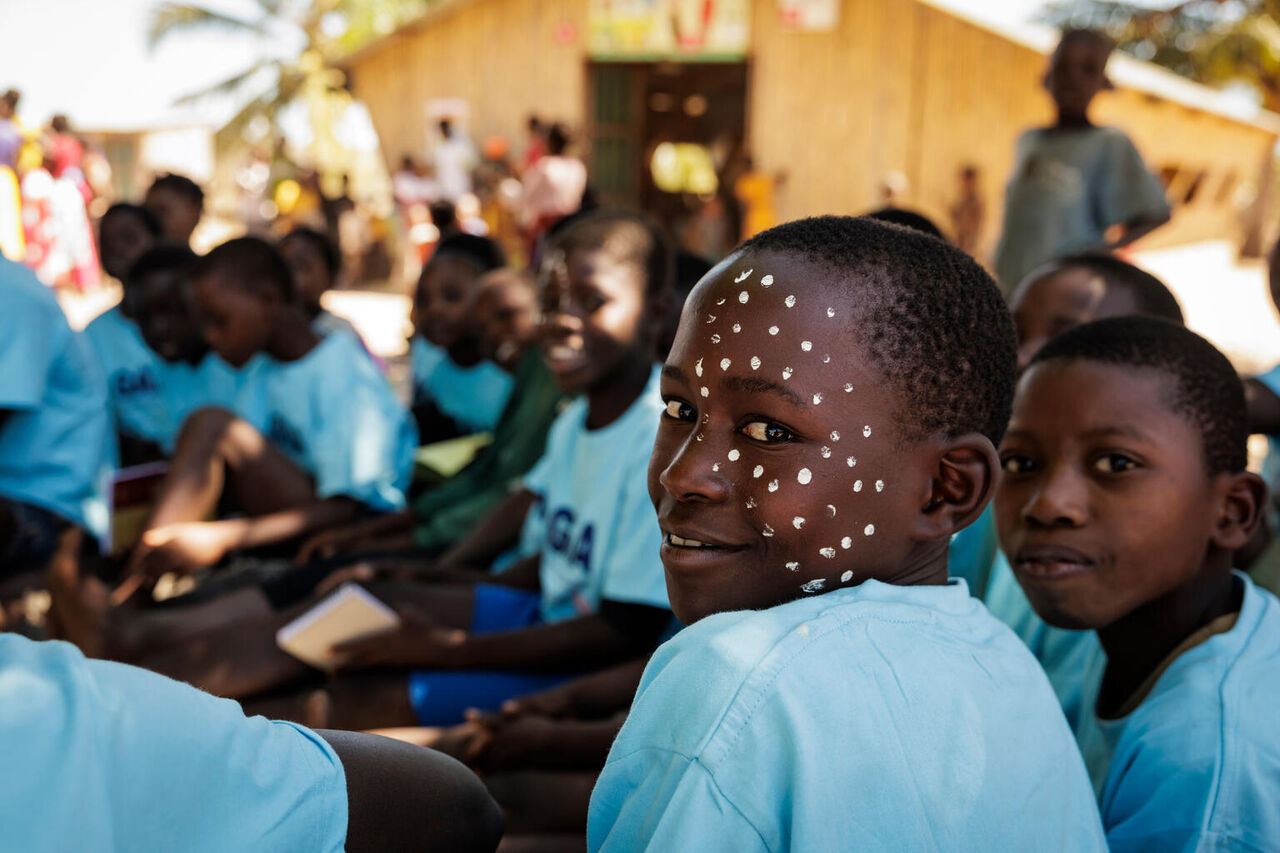
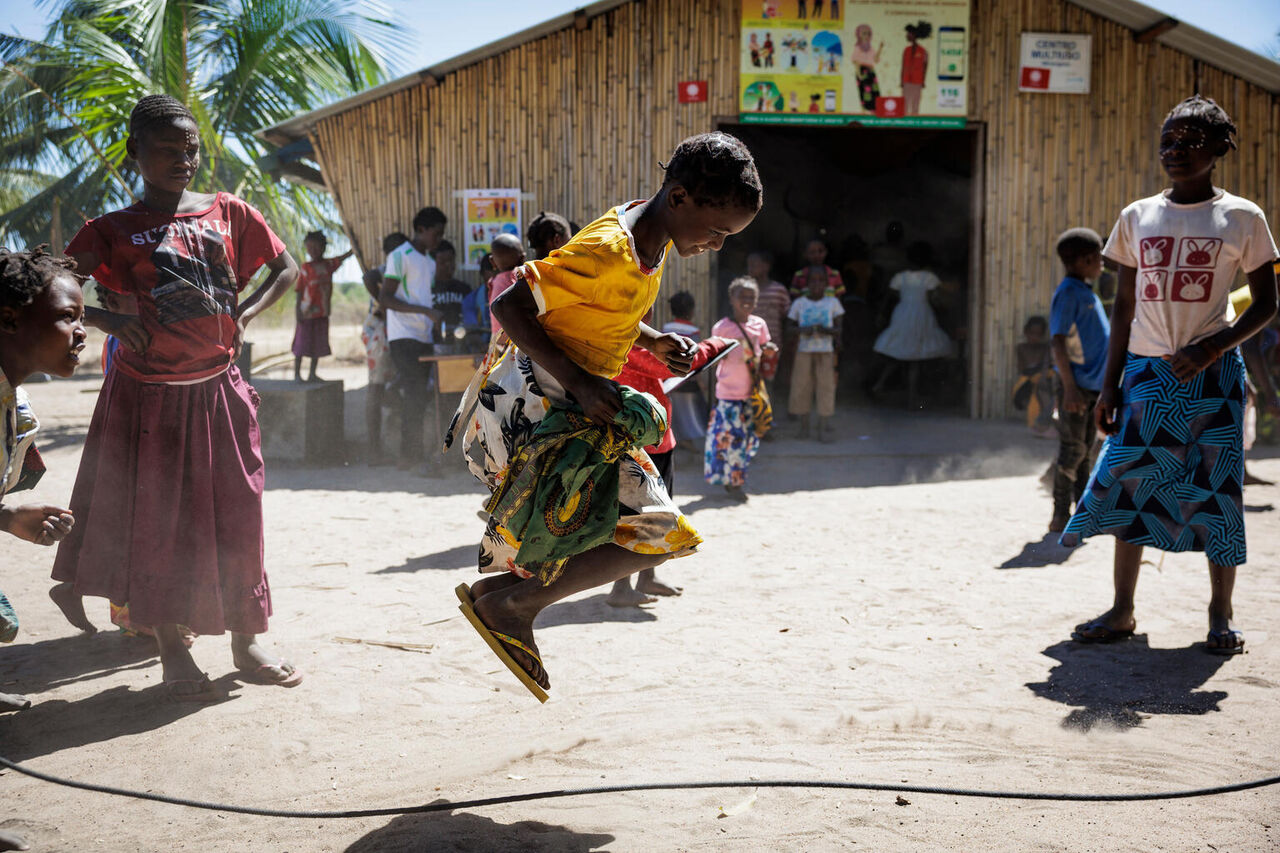
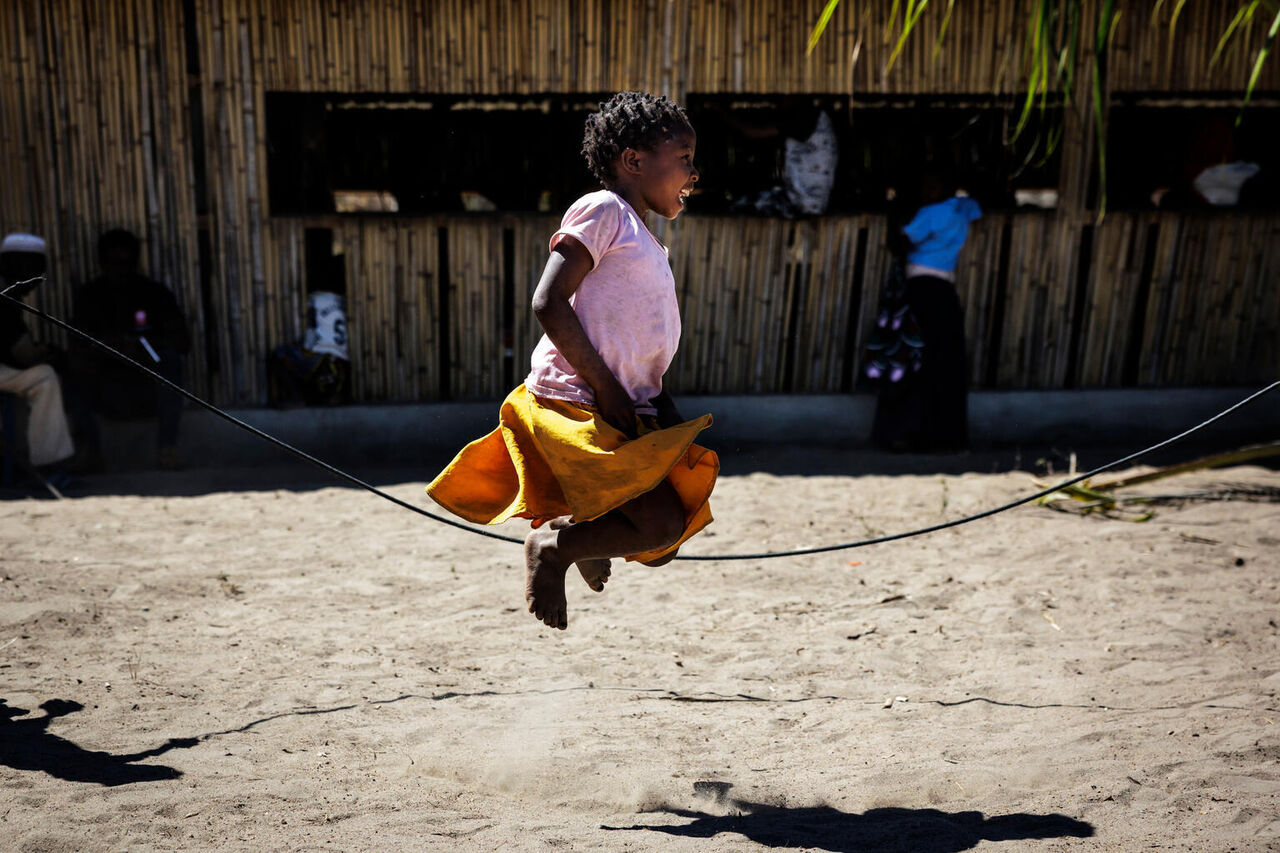
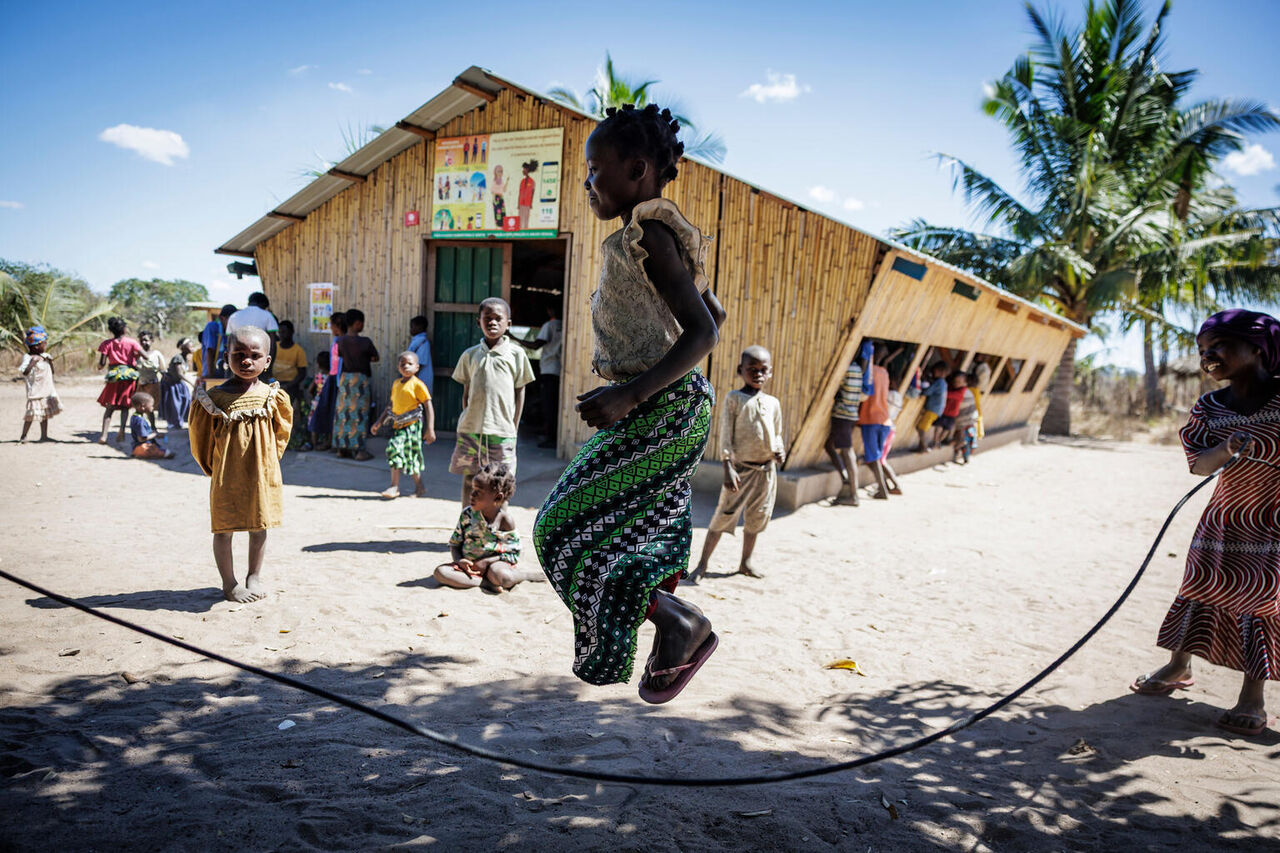
GAIA was designed for humanitarian settings and provides a safe space where girls and boys can learn, connect and regain confidence after periods of instability. Through discussions, games, music and peer learning, adolescents explore topics including rights, relationships, health and leadership while building self-esteem and emotional resilience.
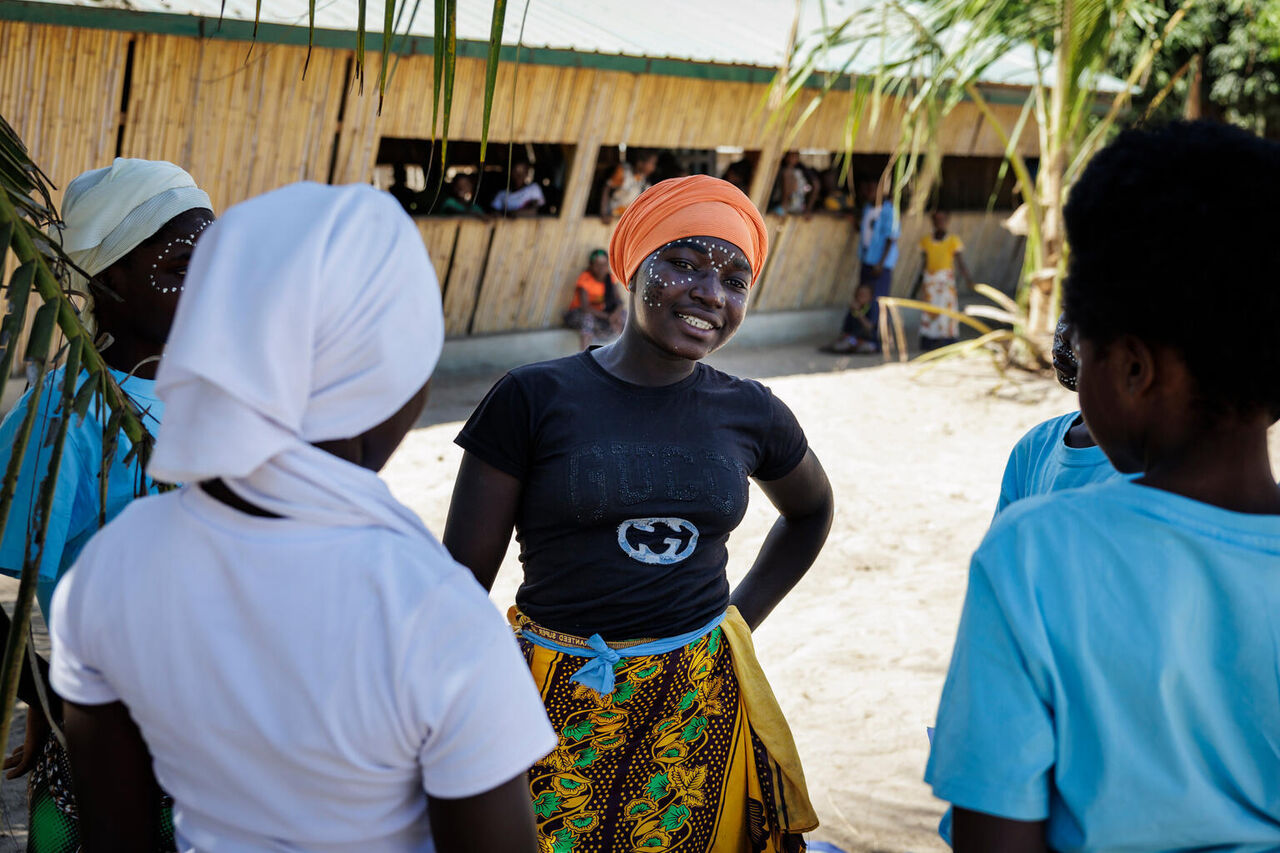
This takes from in practical ways, where girls know which hotlines to call for help when needed. “Fights between men and women or parents and children is wrong, beating them is wrong. There is a law against this violence. If I experience this violence or sees it in the community, I can call a phone number for help” says Elisabete.
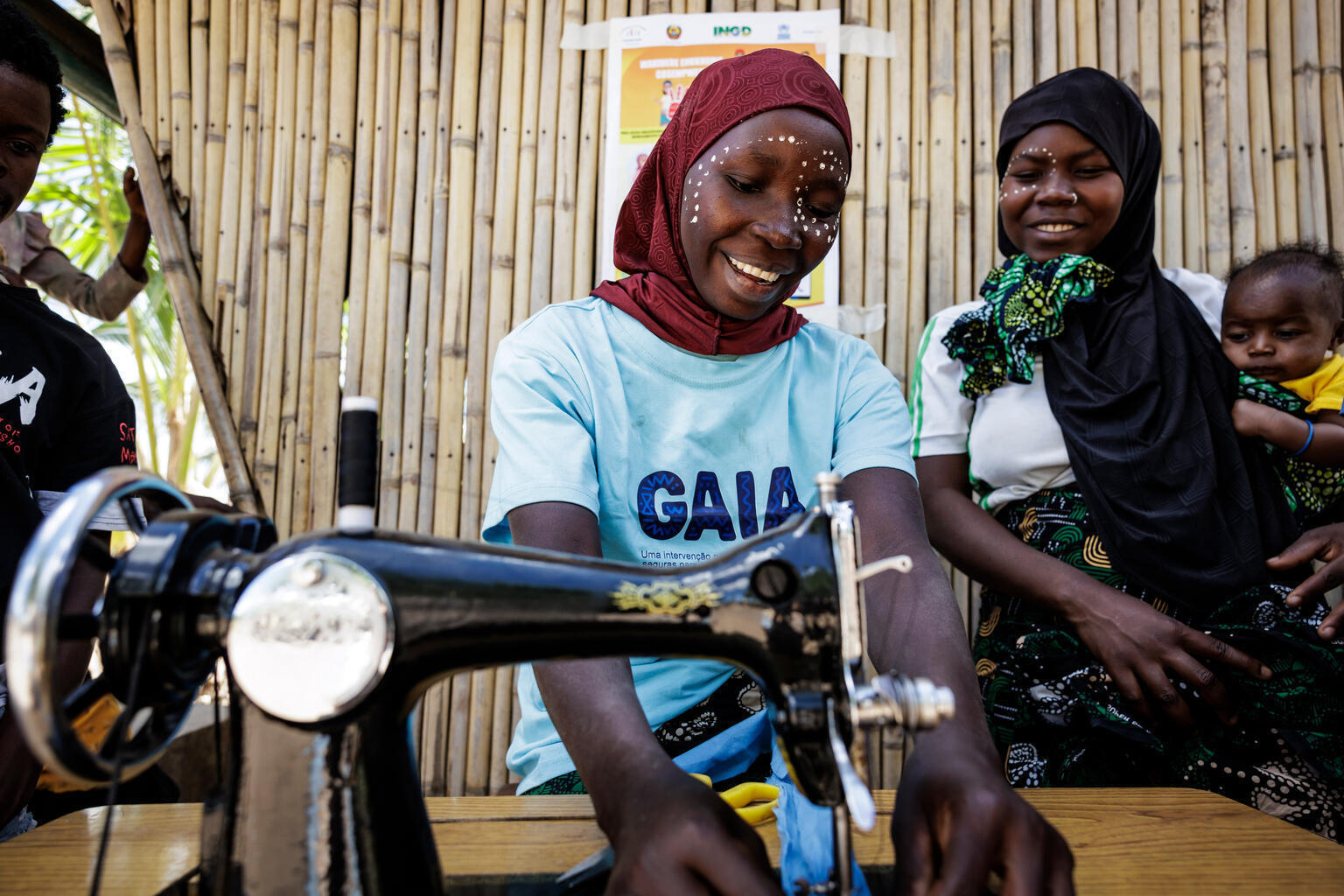
Elisabete Chafim, 17, Grade 8, Mariangone
Reshaping social norms for the future
Rabia has a clear message for her peers. “Don’t get married or pregnant before 18 because it is not good or safe for you and not good for your children. You have the right to not get married because it is illegal. You can stay in school” she says. Her ambition is to study and become a teacher one day.
The girls’ confidence is slowly breaking down social norms which have restricted previous generations. “We bring these ideas home to our parents from GAIA. Parents cannot tell us to stop school and work in the fields instead. We know children have the right to education” she explains.
"After learning about the law, I told my parents not to pressure me or my sisters into child marriage because it is now illegal in Mozambique" says Elisabete. Community leaders say adolescents are increasingly sharing information at home and helping to shift long-held attitudes. "The children are changing their minds," says Felisberto.
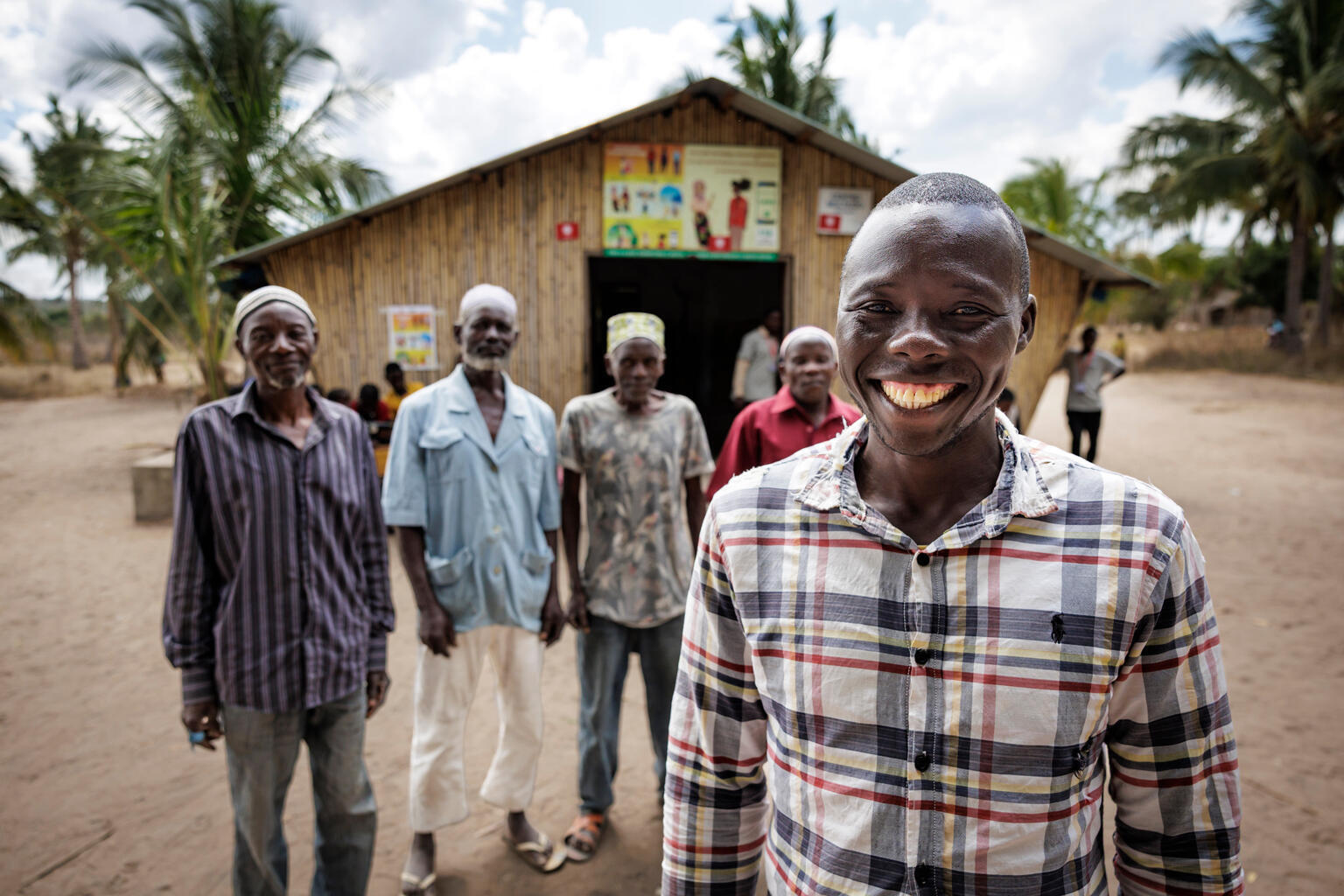
Felisberto Joao, 39, Community Leader, Mariangone
Turning learning into action
As adolescents gain confidence and knowledge, many become advocates and sources of support for their peers. Participants learn where to seek help if they experience violence or other protection concerns, and many feel a responsibility to support others facing similar challenges. "If a friend of mine is going to be married, I have the responsibility to approach them and say this is the wrong thing to do, to stop, and to get help," says Elisite.
Pedro has seen how that knowledge can lead to real change. He recalls one girl who approached a facilitator after learning that her family wanted her to leave school and marry. “Community leaders went to the house and told him this is a crime and he could go to jail. The family stopped the marriage and the girl stayed in school. She is still at GAIA” he explains. “If it was not resolved, then we would have gone to social services and the police.”
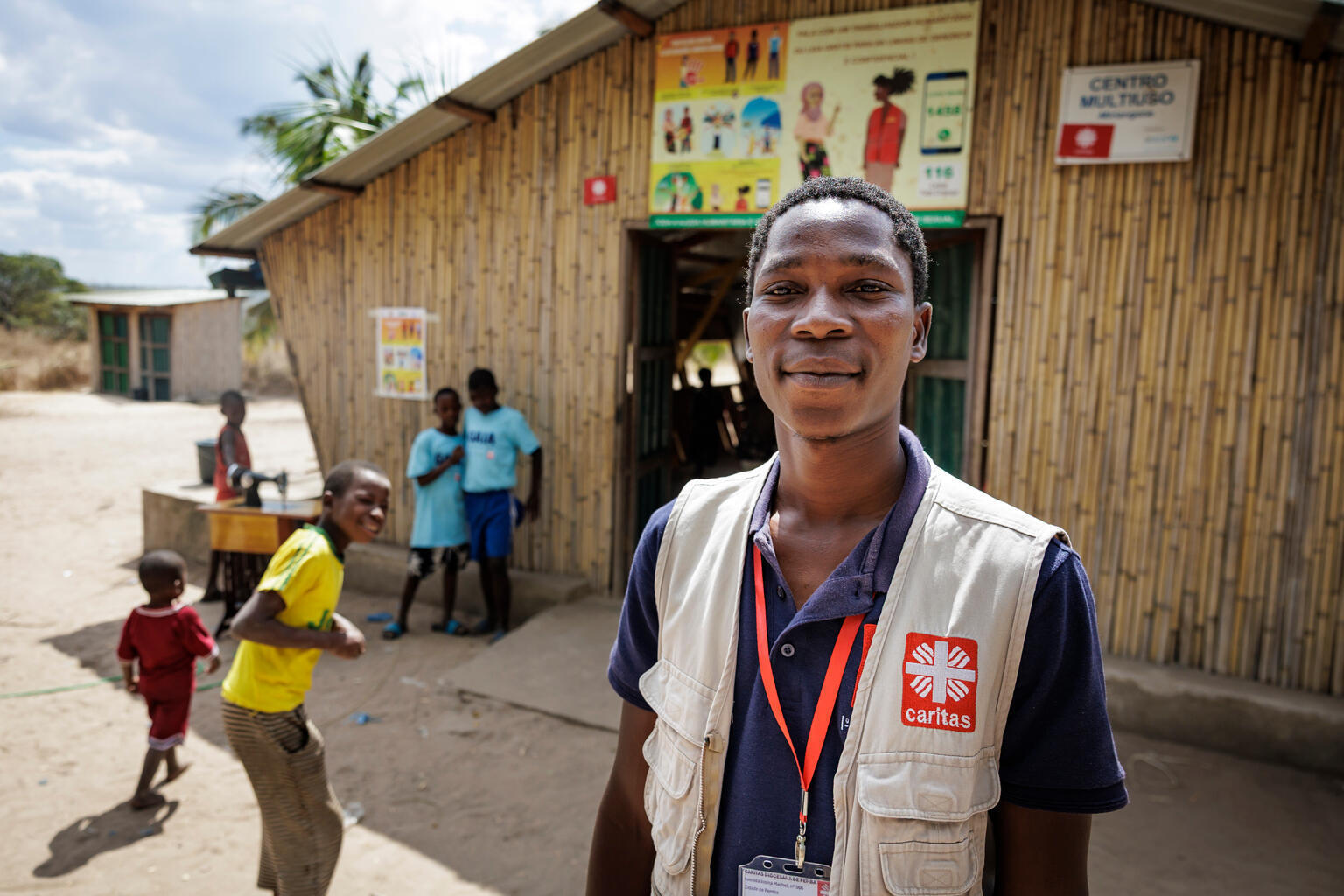
Pedro Joao Augusto, 27 Caritas partner, Mariangone
Boys as allies
A key part of the GAIA approach is engaging boys alongside girls. The sessions create space to reflect on masculinity, power, relationships, emotional expression and violence, and to challenge harmful gender norms while promoting more respectful, caring and non-violent forms of masculinity. This is an important violence-prevention and protection strategy.
Through debates and group activities, boys learn about rights, gender equality and their role in creating safer communities. Promoting positive masculinity is a central objective of the programme. "Boys have a responsibility to explain to others in the community that girls don't have to get married early and don't put pressure on them," says Bicheh.
The programme's facilitators have noticed the difference. "For the boys, they are part of the debates too," says Pedro Joao Augusto, a facilitator with Caritas. "Their attitudes are changing." For community leader Felisberto Joao, one of the programme's greatest achievements is helping young people find their voice. "GAIA is important because it teaches the children to express themselves and how to be free," he says. "One big change is that girls in this situation did not feel free to speak up in the past," Felisberto adds. "But now they are speaking up."
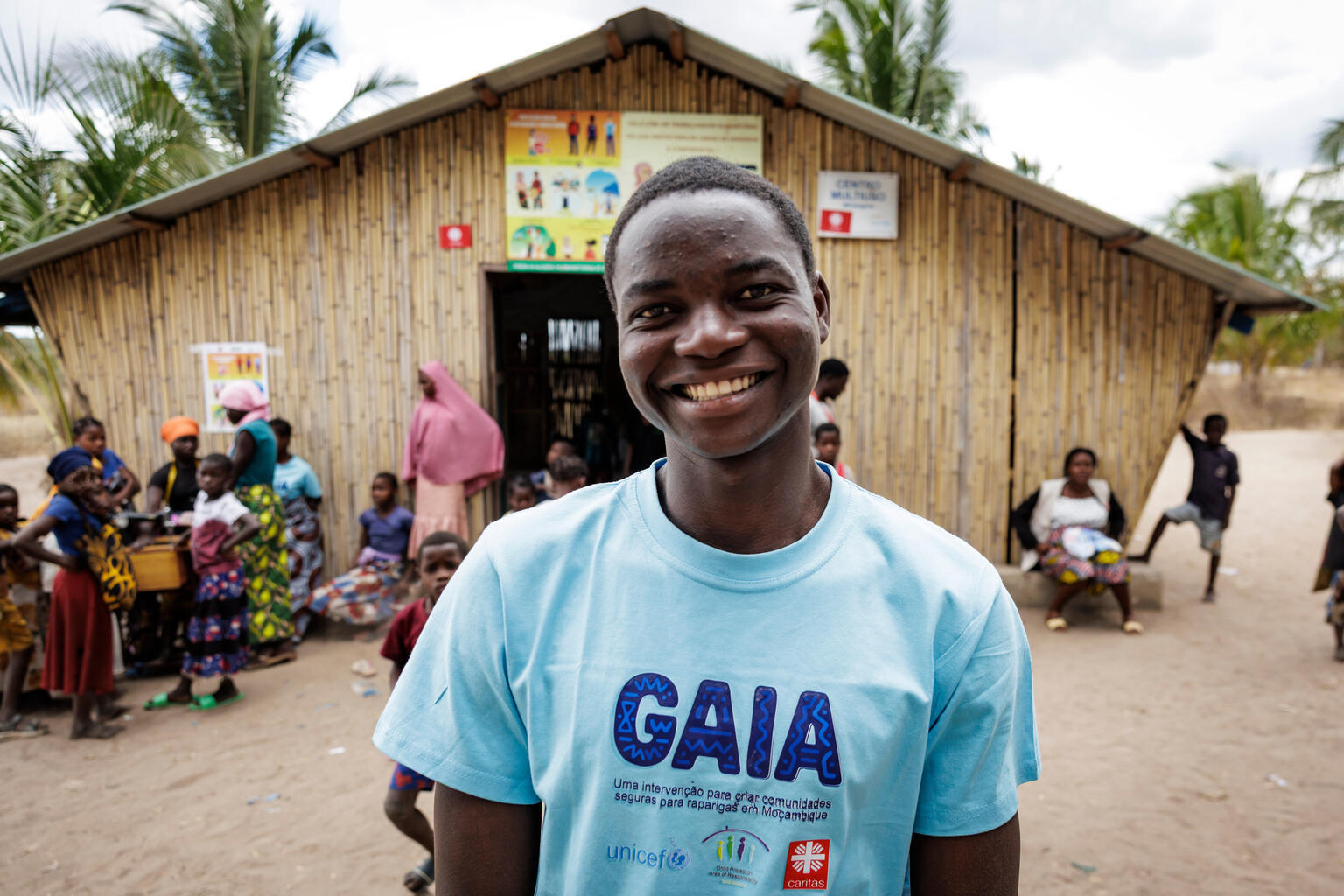
Bicheh Luciano, 17, Grade 7, Mariangone
Skills that create opportunities
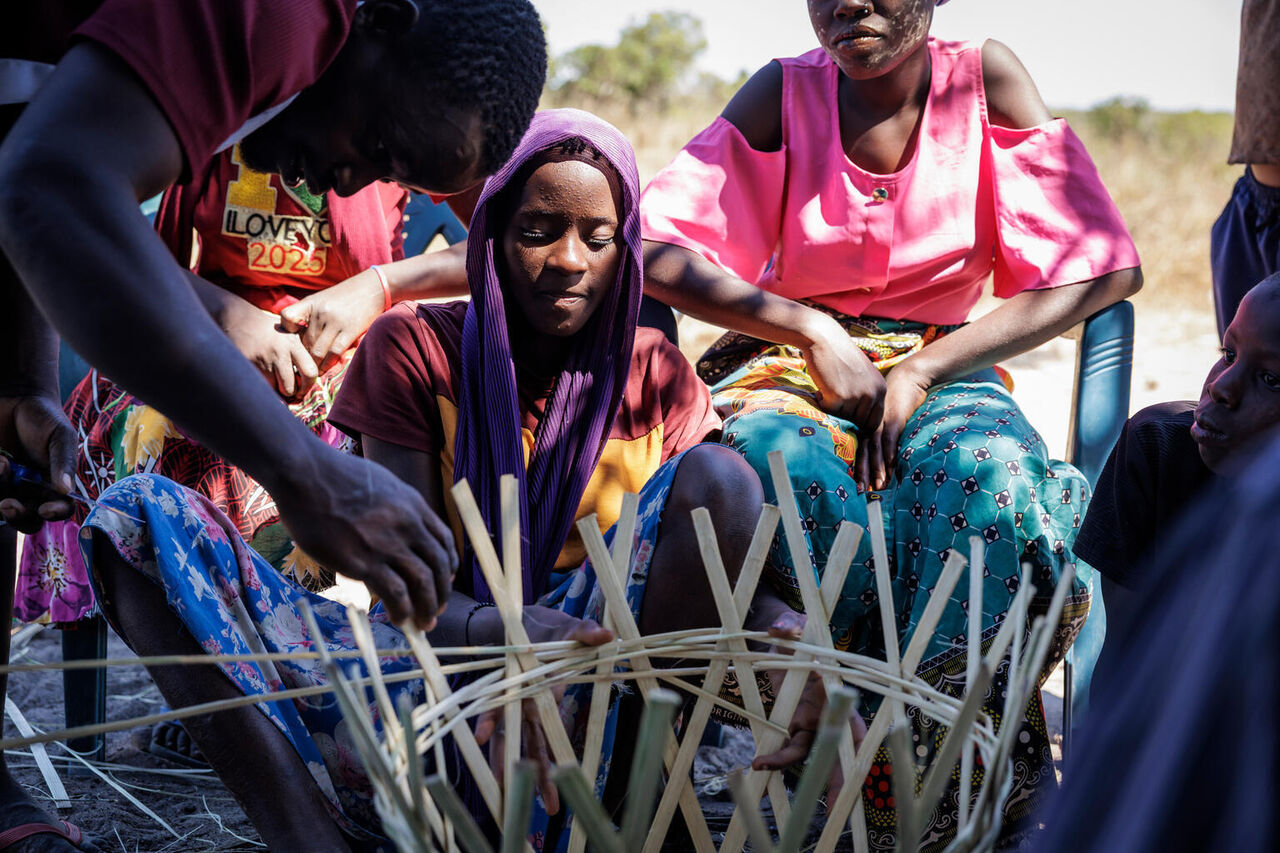
Alongside confidence-building, GAIA equips adolescents with practical skills that can help them generate income and imagine futures beyond crisis. Participants learn sewing, basket weaving, bread-making and other vocational skills, alongside financial literacy and entrepreneurship. For Rabia, those skills are already delivering results. "I have already sold five skirts at the market," she says proudly. "I used the money to buy more material to make more skirts."
Elisite is also learning basket weaving and plans to earn an income from the products she makes. "I am going to sell the baskets and make some money," she says. In communities where livelihoods have been affected by insecurity and displacement, these practical skills can offer adolescents a greater sense of independence and possibility.
Looking ahead
Despite the challenges they have experienced, the adolescents of Mariangone are firmly focused on the future. Rabia wants to become a teacher. Elisite dreams of becoming a nurse. Bicheh hopes to join the police. Many are already taking their first steps toward those ambitions, not only by developing practical skills, but by becoming leaders, mentors and peer supporters within their communities.
In a region recovering from years of conflict and crisis, GAIA is helping adolescents do more than overcome adversity. It is equipping them with the confidence, skills and voice to shape their own futures and help others do the same. In 2025 GAIA reached 3,959 adolescents, including 2,495 girls across Ibo Island, Quissanga, Pemba, Mueda, Mocímboa da Praia and Nangade.
GAIA started in Mozambique as a humanitarian response but has grown into an integrated community platform through which children, adolescents and families can access child protection referrals, mental health and psychosocial support, education, sexual and reproductive health, violence prevention and response, social and behaviour change interventions, social protection, livelihoods and youth empowerment opportunities.
UNICEF Mozambique is now adapting it for children and adolescents in street situations because the starting point is the same: understanding the combination of risks affecting the child, strengthening their agency and protective relationships, addressing harmful social and gender norms, and connecting them to the services and opportunities they need.
The GAIA Toolkit is available for adolescent programme implementers and is supported by 2gether 4 SRHR, a joint initiative of UNAIDS, UNFPA, UNICEF and WHO, in partnership with Sweden. Because of the strong positive results in Mozambique, the programme is now also running in South Sudan and Somalia.