Saving Lives in Burundi
Stay Informed
Get the latest news delivered to your inbox
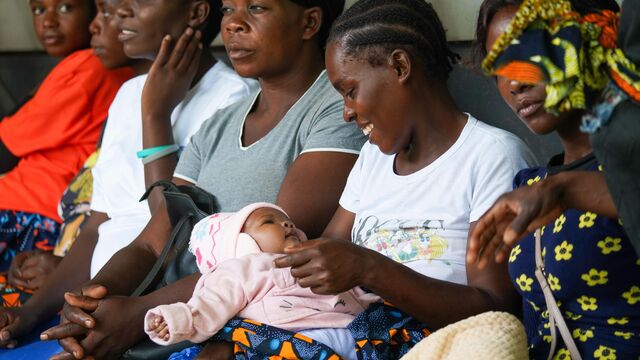
Liliane knows the perilous journey of pregnancy all too well. As a Congolese refugee living in the Musenyi settlement in Burundi, an area home to thousands of expectant mothers, giving birth has often felt like a gamble with her life.
For women in refugee settings like Liliane, the path to motherhood is fraught with danger. Uprooted from their homes and living in fragile environments, they frequently face long, unsafe journeys to reach health facilities. The cost of care is out of reach, and in emergencies, the absence of skilled medical assistance can turn a complication into a tragedy.
In Burundi, the stakes are undeniably high: a pregnant woman loses her life to preventable or treatable maternal complications every six hours. Obstetric hemorrhage is the leading culprit, claiming the lives of more than one in three of these women. Time, skilled hands, and access to essential medicines like oxytocin are the only things standing between life and death.
Equipping the frontlines
At local health centers and referral hospitals serving both refugees and host communities, health workers bear the immense weight of this crisis.
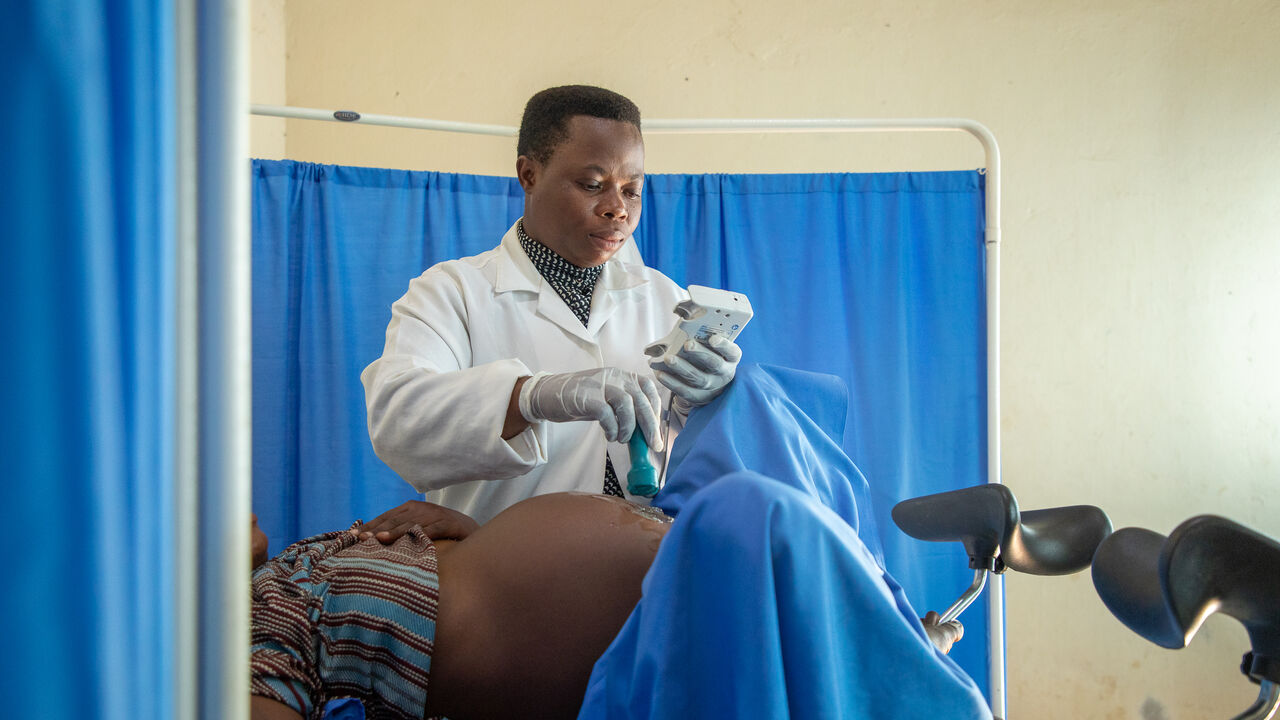
Dr. Gahungu’s hospital handles roughly 250 births a month, including up to five emergency cesarean sections every single day. For a long time, the lack of life-saving supplies made their life-saving work incredibly difficult. “The needs were enormous,” Dr. Gahungu recalls.”
To bridge this critical gap, the Ministry of Public Health, supported by 2gether 4 SRHR, a joint United Nations Regional Programme in partnership with Sweden, began delivering comprehensive reproductive health supplies directly to the most remote and high-demand areas. Suddenly, maternity wards were equipped with the maternal health kits and essential medications needed to handle high volumes of severe obstetric complications.
"This support could not have come at a better time"

Giving birth safely
For women like Liliane, the arrival of these supplies changed everything. When it was time to deliver her baby, the clinic was ready. She received an injection to prevent postpartum bleeding, a simple intervention that ultimately saved her life.
“I was well assisted and able to give birth safely,” Liliane shares. Beyond medical care, Liliane also received a dignity kit during her prenatal visits, providing her with the essential hygiene items necessary to maintain her comfort and self-worth throughout her pregnancy.
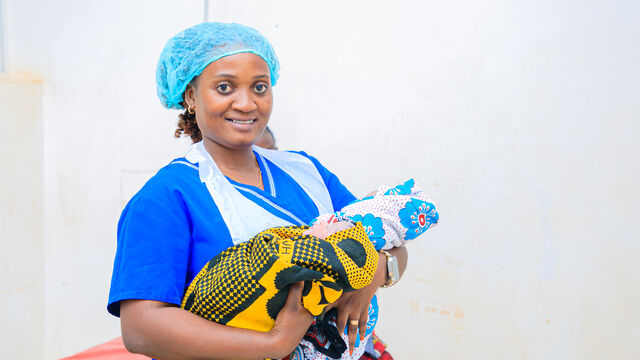
Parfaite Irakoze, a midwife with Association Burundaise pour le Bien être Familial, a UNFPA implementing partner, sees this transformation every day on the maternity ward. “Thanks to these supplies, lives are being saved,” she explains.
"We can finally prevent postpartum hemorrhages. These kits also help us treat deadly complications like eclampsia and pre-eclampsia right here, before women even need to be referred to the nearest hospital."
Empowering choices for the future
True maternal health care doesn’t end in the delivery room. To build lasting resilience, the 2gether 4 SRHR programme also helps to train community health workers to lead vital conversations about family planning and the importance of facility-based deliveries.
For Liliane, now a mother of seven facing the uncertainties of life as a refugee, having autonomy over her body is a lifeline. She has since adopted a modern method of family planning and now uses her voice to encourage other women in her community to seek out reproductive care.
From bustling host communities to remote refugee sites, the tireless work of medical professionals like Dr. Gahungu and midwives like Parfaite is rewriting the narrative of maternal health in Burundi. Supplied with the right tools and training, they are moving closer to a world where no woman dies while giving life.