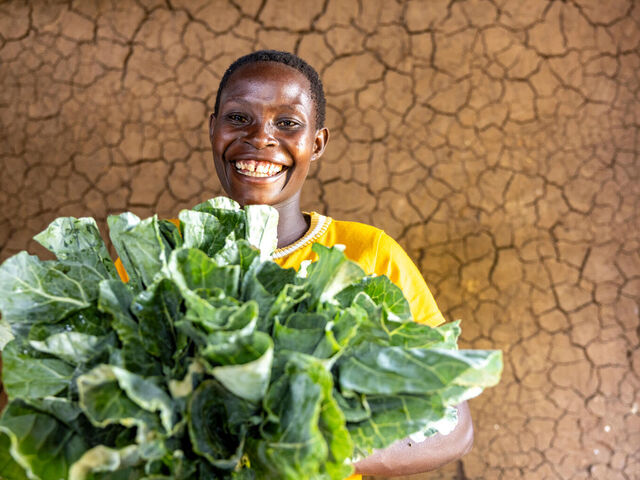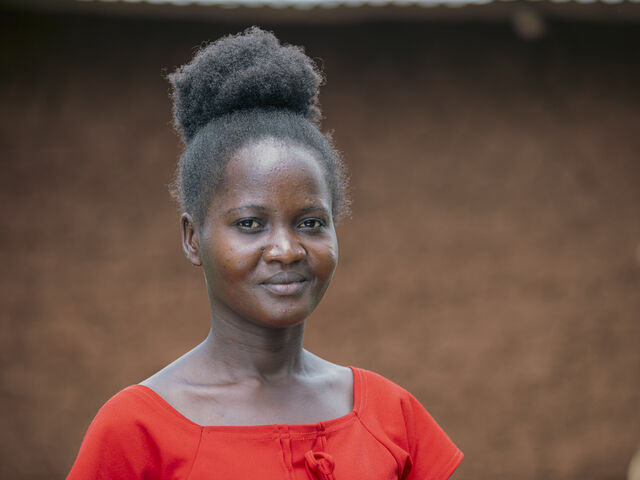
“I live far away, and I no longer need to return to the health facility to get my contraceptive method. Being able to do it myself at home is a very good thing,” says Beoline.
For many women in remote Burundi, a simple medical appointment is anything but simple. Without access to transport, mothers often trek over five kilometers each way on foot to reach the nearest health center. Upon arrival, they may face long queues and crowded waiting rooms. These journeys consume entire days, pulling women away from their families, domestic responsibilities, and the farming activities essential to their livelihoods.
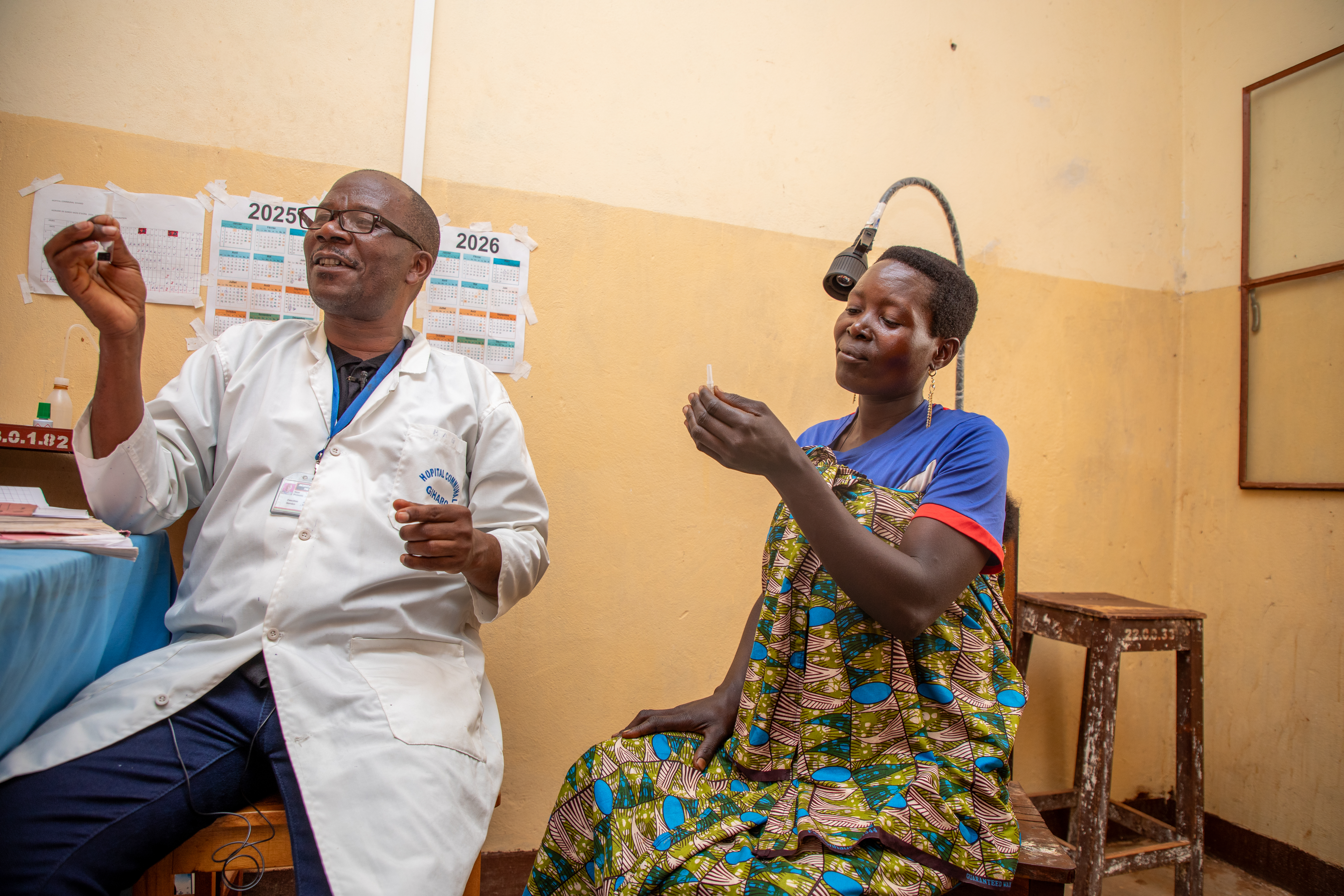
In response to these challenges, the Government of Burundi, with the support of the United Nations joint regional programme, 2gether 4 SRHR, is strengthening sexual and reproductive health and rights by prioritizing self-care. By putting the tools for health directly into the hands of those who need them, self-care is enabling women to self-administer injectable contraception and perform their own HIV and pregnancy tests.
For 20-year-old Beoline, self-injectable contraception represents more than just family planning, it is a cornerstone of her independence.
The freedom of choice
This autonomy is equally vital for Adélaïde, a 33-year-old mother of five. The ability to manage her reproductive health at home relieves both a physical and economic burden: "Getting pregnant again when you still have a baby is very difficult for a mother... With five children, I am already very tired; imagine without a contraceptive method? How would I even have the time to return to the health center? I really love this contraceptive method; it allows us to stay autonomous."
The focus on self-care is critical in a country like Burundi, where access to adolescent and youth-friendly services remains at 34 per cent.
Self-care also comes with discretion, with Adélaïde highlighting, "I really like this contraceptive method because not only do I save time, but I also love its confidential aspect. I don’t need to seek a provider to help me and be seen in the community, which could even spark rumors."
Support from 2gether 4 SRHR has helped strengthen health systems through on-site coaching and the increase of reporting tools to ensure quality care and data collection.
Further support from UNFPA Supplies provides contraceptive availability to prevent stock-outs and guarantee access. This combined approach ensures that clinics are not only well-stocked but also staffed by trained professionals equipped to offer and track life-saving services. In just a short time, there has been a noticeable uptake in the number of women choosing to self-administer their family planning.
Breaking barriers to HIV testing
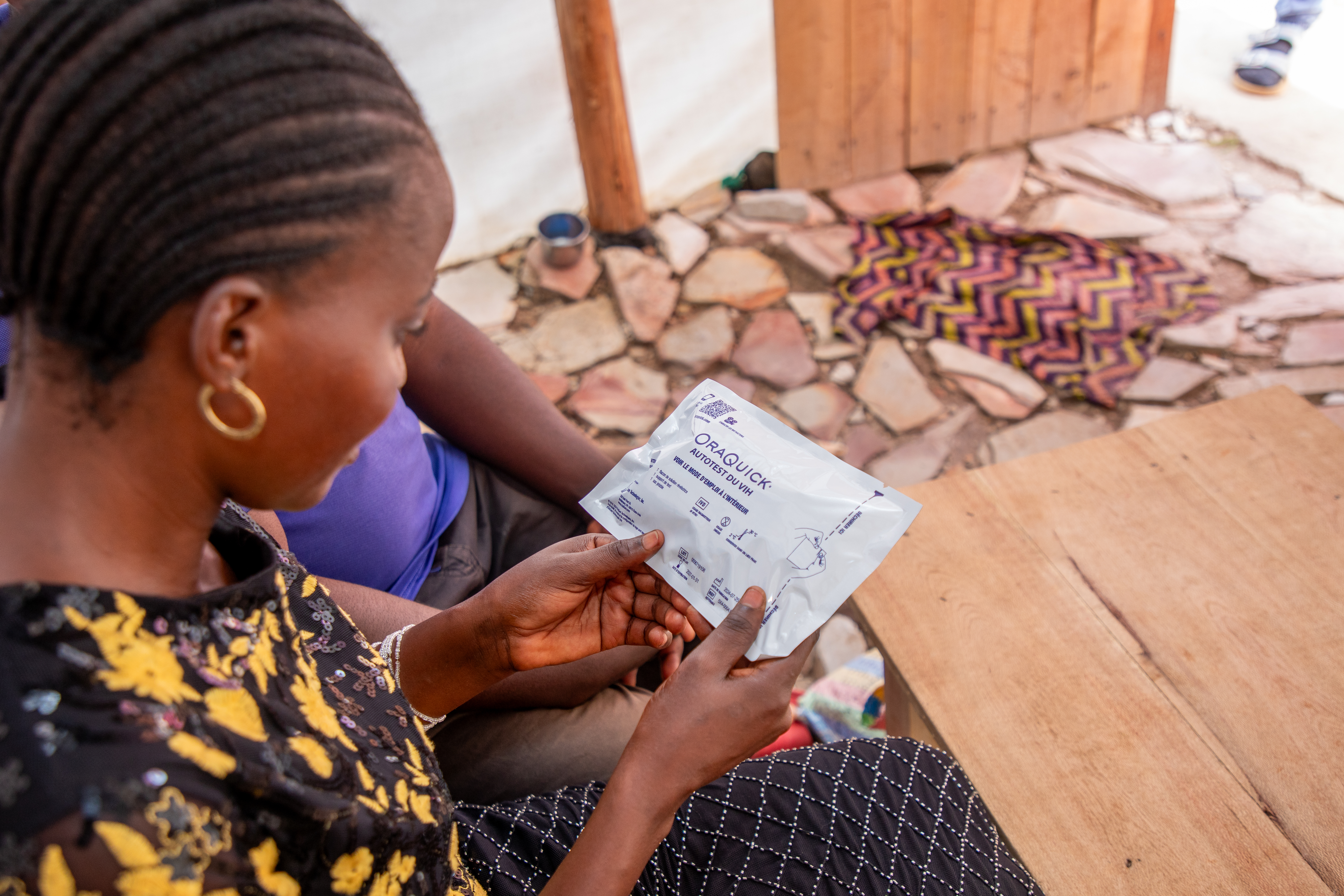
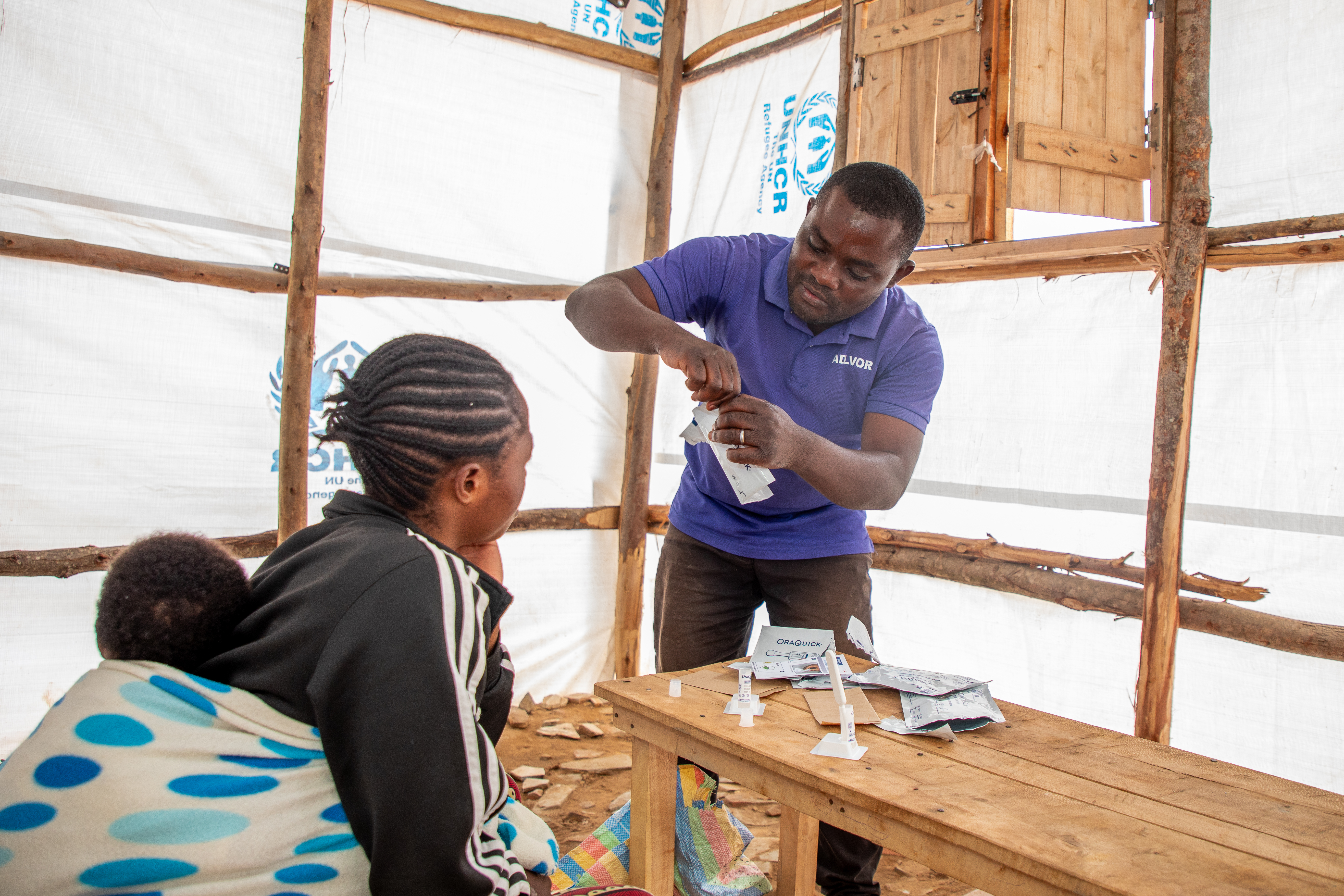
The push for self-care extends to HIV testing, a critical step in eliminating new infections and reducing the stigma that persists across Burundi. In many areas, particularly in a refugee setting, the fear of public judgment is so high that individuals may avoid testing altogether rather than risk being seen at a health facility. Self-testing kits allow individuals to learn their status in the privacy of their own homes, preserving their dignity while breaking down barriers of shame and fear.
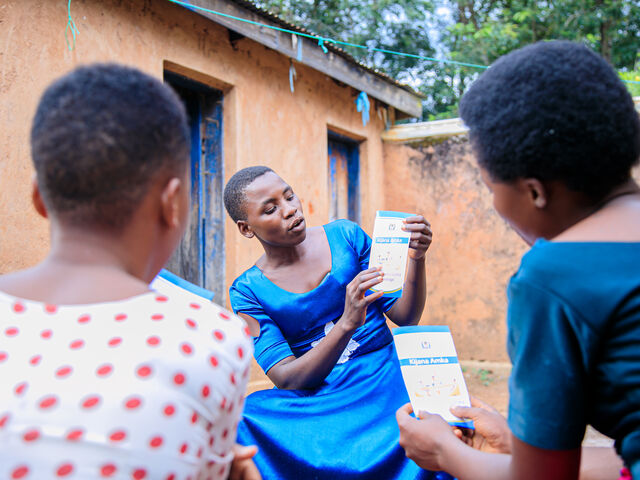
In support, the 2gether 4 SRHR programme has helped train hundreds of individuals, like Adjabu, a community health worker, to lead community dialogues that challenge discrimination and encourage responsible health behavior from within the refugee site and among the host population, as well as distribute self-test kits.
Since November 2025, they have reached thousands of individuals, with nearly 600 people being referred to - or have actively pursued - self-injectable contraception and self-testing for HIV and pregnancy.
By empowering individuals with the tools to manage their own health, Burundi is fostering a culture of autonomy, dignity, and lasting well-being.