
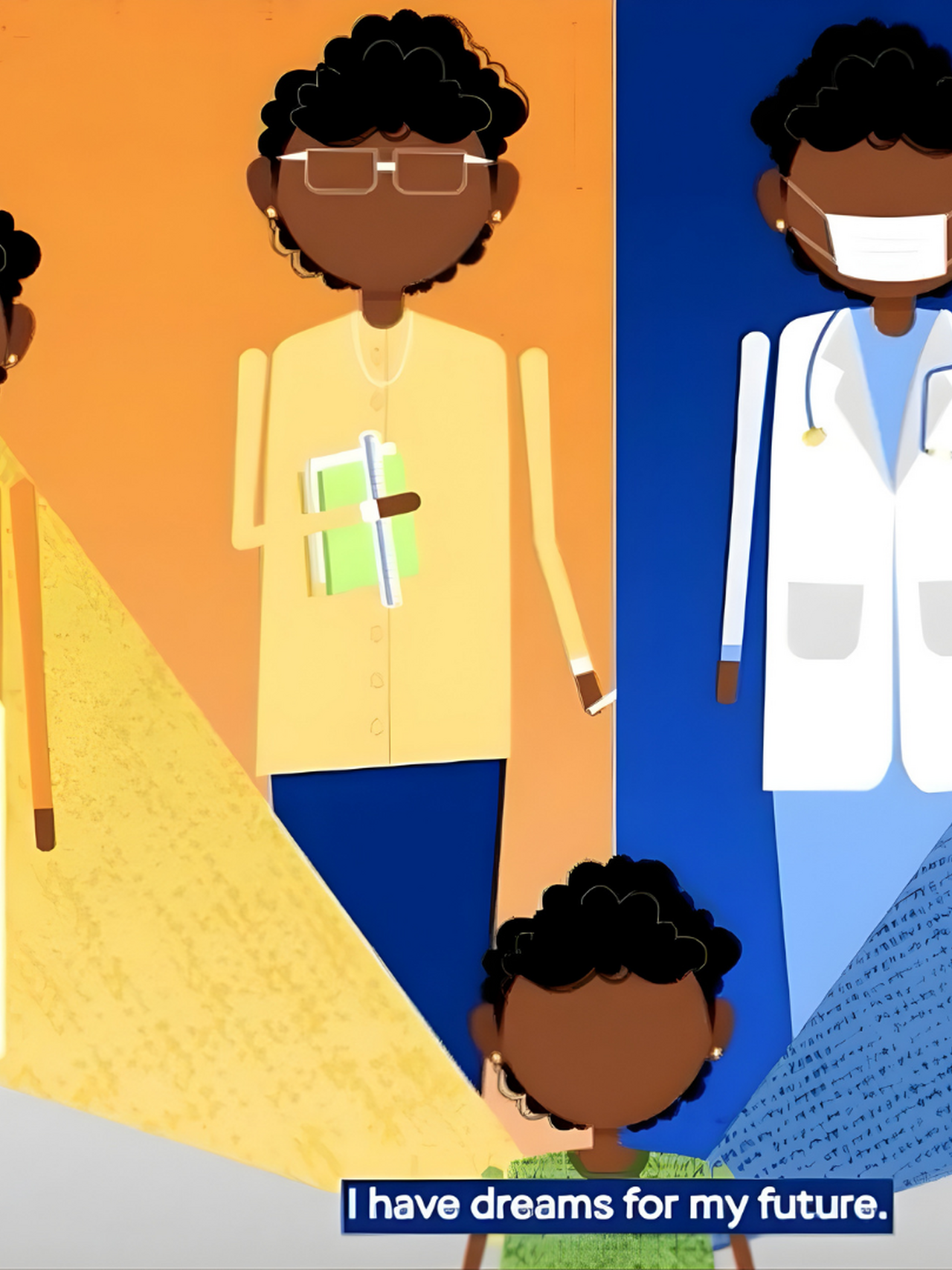
The Right to Return: School re-entry policy and practice for pregnant and parenting girls in Eastern and Southern Africa
Abstract
Across the region, adolescent pregnancy remains widespread. Around one in four young women in Eastern and Southern Africa gives birth before the age of 19, and more than six million pregnant and parenting girls across sub-Saharan Africa are currently out of school or formal learning. Too many adolescent mothers never return after childbirth — not because they lack ambition or ability, but because systems are still not designed to accommodate adolescent motherhood or support alternative pathways for young mothers to continue learning. One of the most effective ways to improve outcomes for both young women and their children is to keep adolescent mothers learning. That means — alongside strong prevention measures -supporting them to complete secondary education or acquire equivalent vocational skills. When adolescent mothers remain engaged in education or training, they are more likely to access decent work, experience better health and wellbeing, and build economic security. Their children, in turn, are more likely to survive infancy, grow and develop well, and succeed in school. There has been progress. Governments across the region increasingly recognise that pregnancy should not mark the end of a girl’s education. This review found approximately half of countries in Eastern and Southern Africa now have a school re-entry policy for pregnant and parenting adolescents. This momentum reflects broader continental commitments, including from the African Union. Yet recognition on paper has not translated into consistent practice. This new review highlights a persistent implementation gap. Even where re-entry policies exist, many are not backed by dedicated budgets, clear operational guidance, or systematic training for school leaders and teachers. Flexible options — such as accelerated learning, distance education, evening classes, or vocational pathways — remain limited or poorly communicated. In many contexts, re-entry is delayed by mandatory waiting periods, medical clearance requirements, or proof of childcare — conditions that, while often well-intentioned, end up pushing girls out of learning altogether.
Related Content
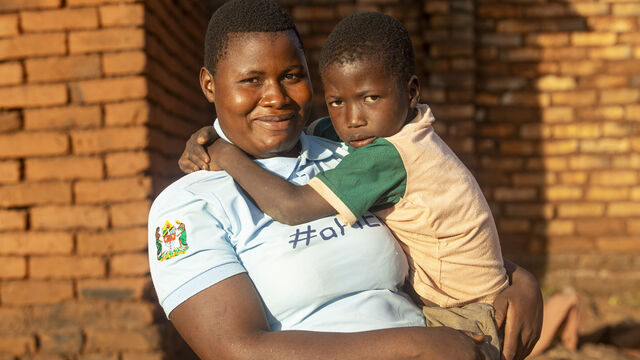
Finding her courageous heart: How a young mother turned hardship into hope for others
Songwe Region, Tanzania: At just 12 years old, Jackline became a mother before she had finished...
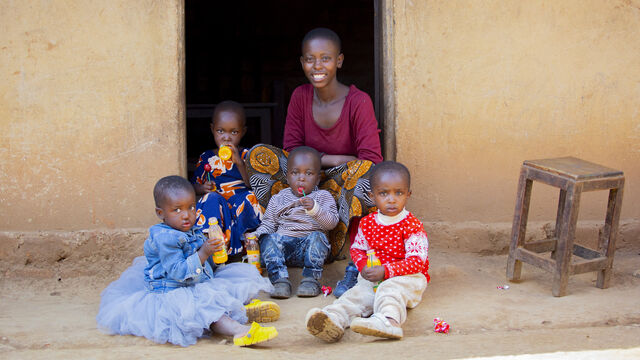
Tanzania's aHero programme: How Tamasha is helping adolescent mothers access lifesaving support
In communities across Songwe Region, a network of Young Mentor Mothers (YMMs) is helping ensure...

The Handshake That Changed Everything: How Trust Connected Mary to Support and a Brighter Future
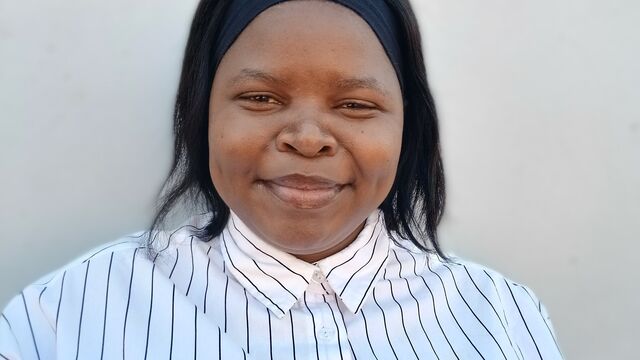
"I never imagined being someone young mothers turned to for help" - How becoming a Mentor Mother transformed my life and the young women I support
By Karabo Mogoba in South Africa