Skip to content
Youth Engagement

Youth Engagement

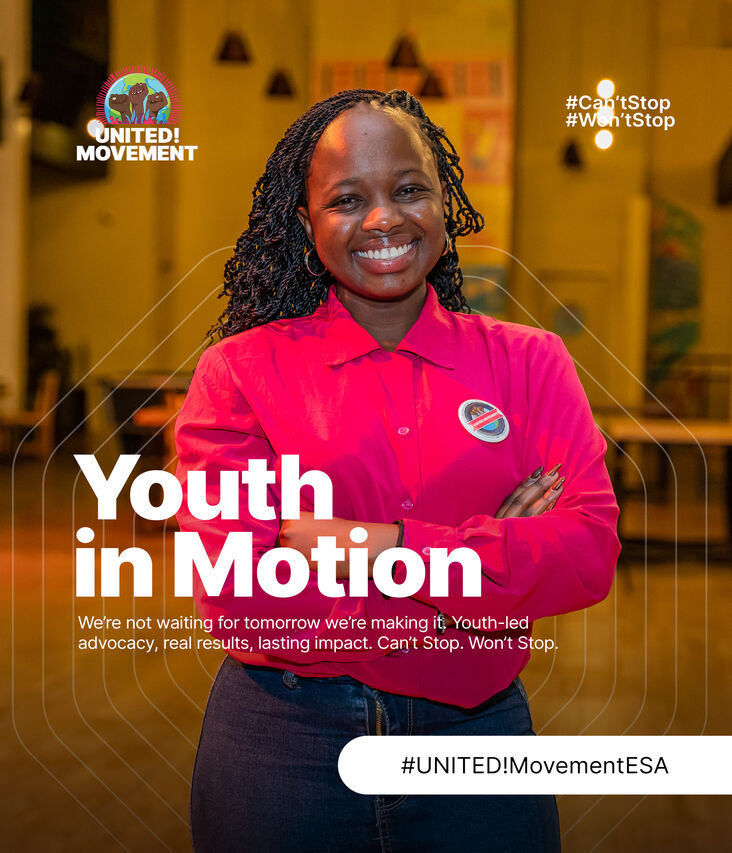
Young People Leading Change, Not Waiting for It

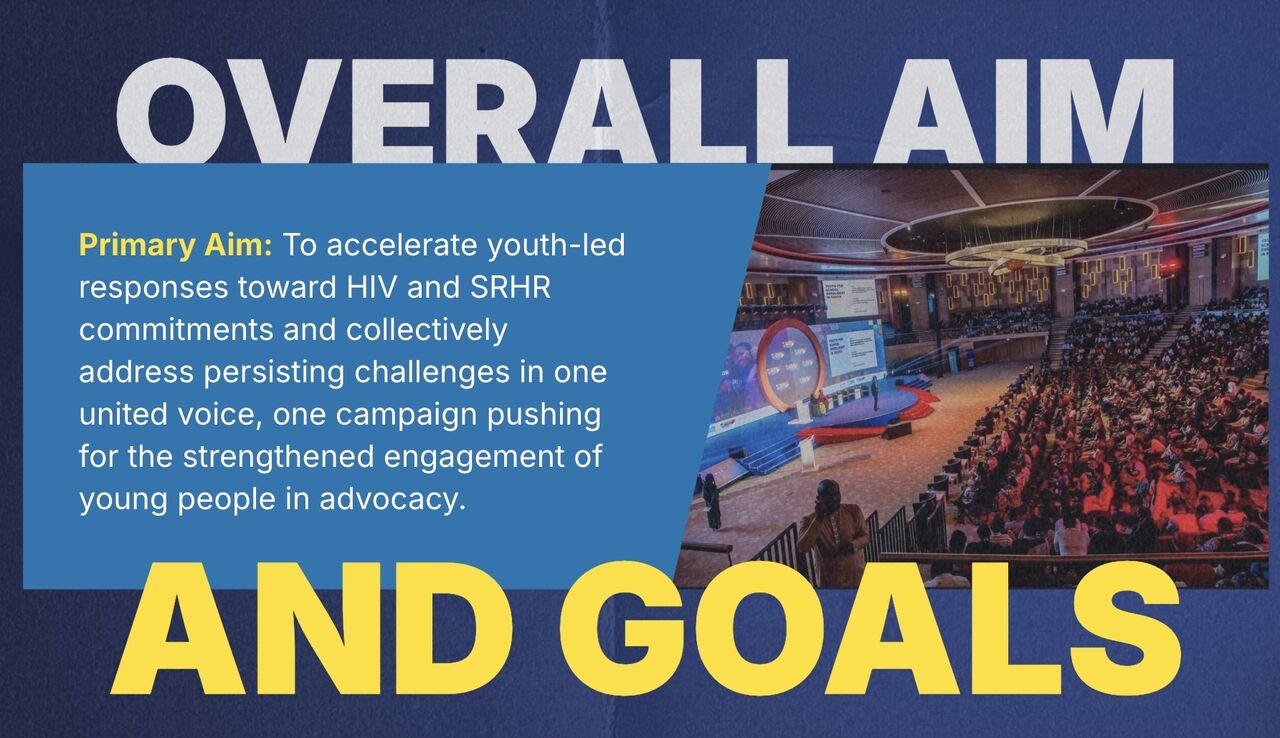
The UNITED! Movement is a powerful, youth-led regional movement driven by Y+ Global and AfriYAN, alongside youth-led organizations across 14 countries in Eastern and Southern Africa. With support from the 2gether4SRHR Joint Programme, funded by Sida and implemented with UNICEF, UNFPA, UNAIDS, and civil society partners, UNITED! is creating spaces where young people don't just participate in conversations about their health and rights; they help lead them.

Since 2023, UNITED! has empowered more than 700 young advocates to step into leadership, influence policies, and hold decision-makers accountable on issues related to sexual and reproductive health and rights (SRHR) and HIV. Across local, national, regional, and global platforms, young people are increasingly shaping the decisions that impact their lives and futures.

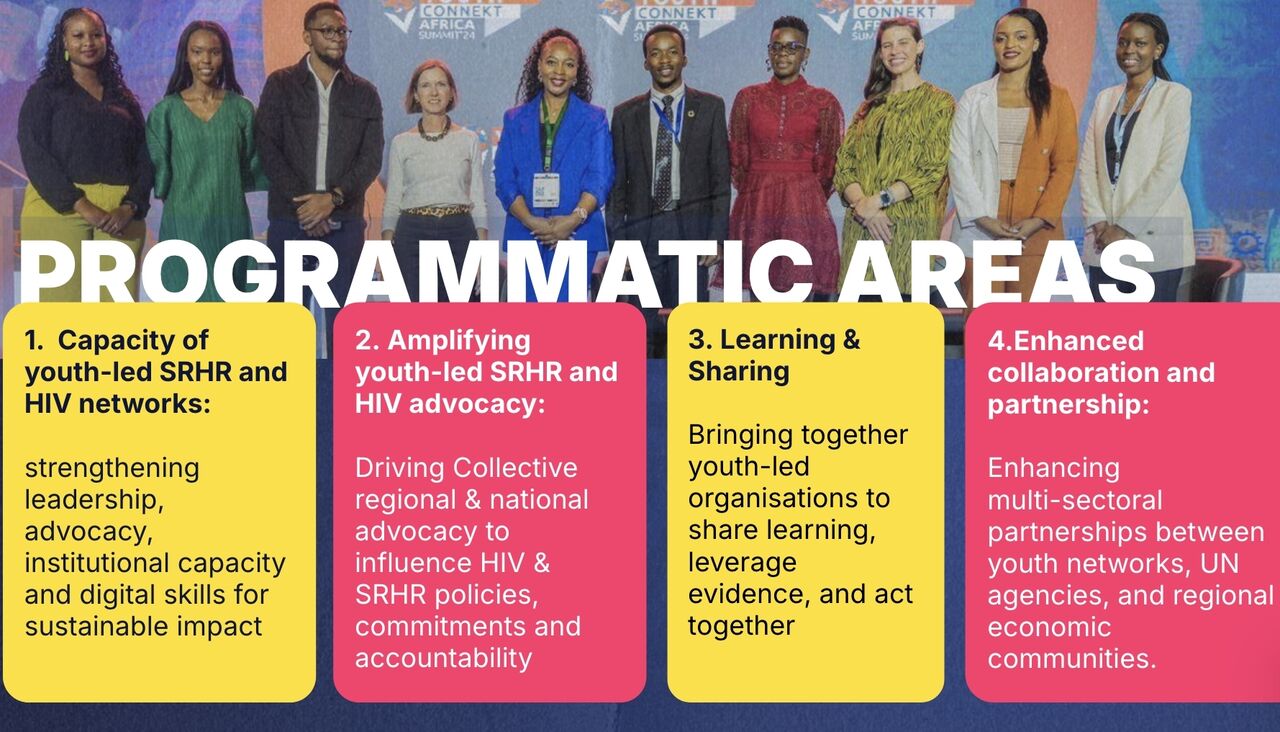
Through four key pillars—building skills and leadership, youth-led advocacy, learning and knowledge sharing, and cross-sector collaboration—the Movement strengthens youth-led organizations, improves governance and safeguarding systems, and equips young leaders to engage confidently in policy, financing, and accountability processes. The result is stronger organizations, stronger youth leadership, and lasting impact across the region.

What We've Achieved Together

🔥 700+ young advocates mobilized across 14 countries, creating a growing community of changemakers leading SRHR and HIV advocacy.

🎓 500+ young people trained and mentored, gaining the confidence, leadership skills, and advocacy tools needed to influence policy and drive change in their communities long after project activities end.

🚀 10 youth-led organizations and networks strengthened, improving governance, safeguarding (including PSEA), financial management, and strategic planning to enhance sustainability and attract greater investment and partnership opportunities.

🏛️ 500+ youth advocates engaged in more than 50 policy and accountability spaces, contributing to changes in five national policies and three regional frameworks, while securing permanent youth representation in national decision-making structures, African Union and regional processes, and global forums.

🗣️ 200+ young people actively shaping policies and research through youth reference groups, ensuring decisions reflect real experiences, needs, and priorities.

📱 300+ youth advocates trained in communications and social and behaviour change (SBC), helping reach over 500,000 young people through digital campaigns and the YouthFluencers Initiative, expanding access to trusted SRHR and HIV information and increasing demand for services, including new HIV prevention options.

🤝 Stronger collaboration between the UN, civil society, and youth movements, connecting efforts across HIV, SRHR, gender equality, and social justice to create greater collective impact.

Youth Voices at the Centre. Nothing For Us, Without Us.

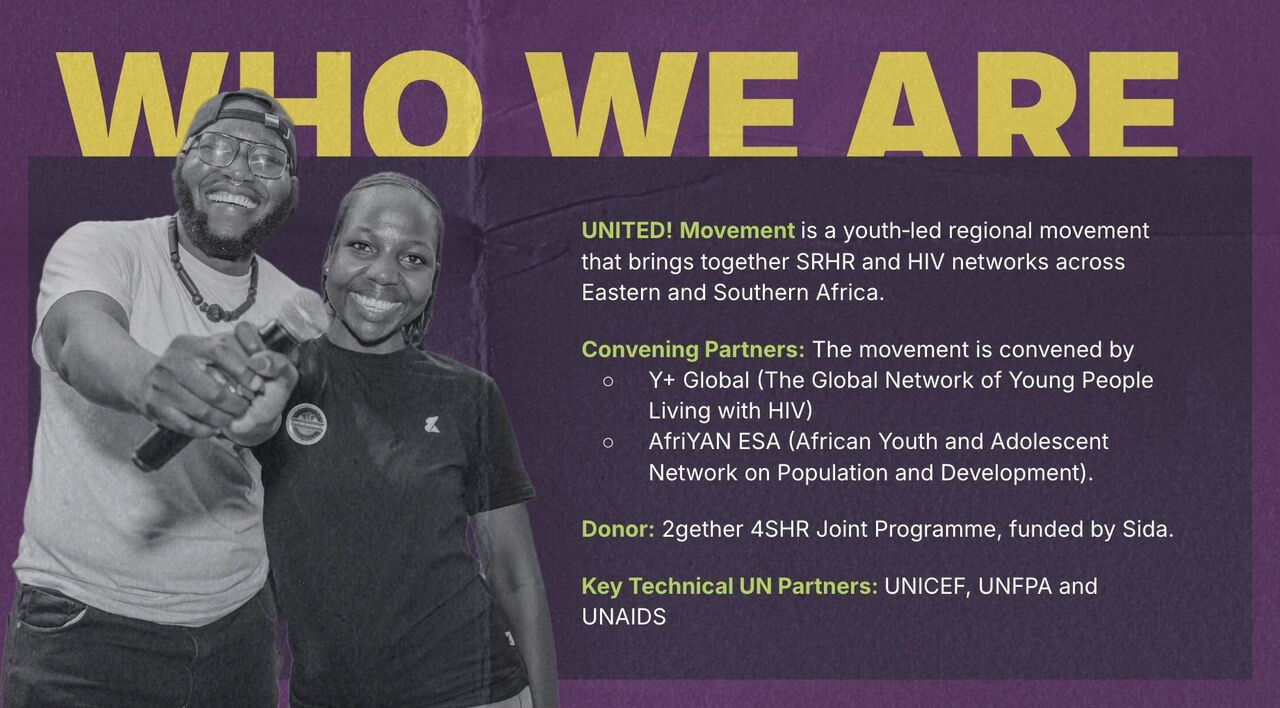
"Through the UNITED! Movement, young people are no longer just invited to consultations—we are shaping policies, sitting on national committees, and influencing decisions that affect our health, our rights, and our future."
— Youth voice
UNITED who we are
UNIOTED goal
UNITED programme areas
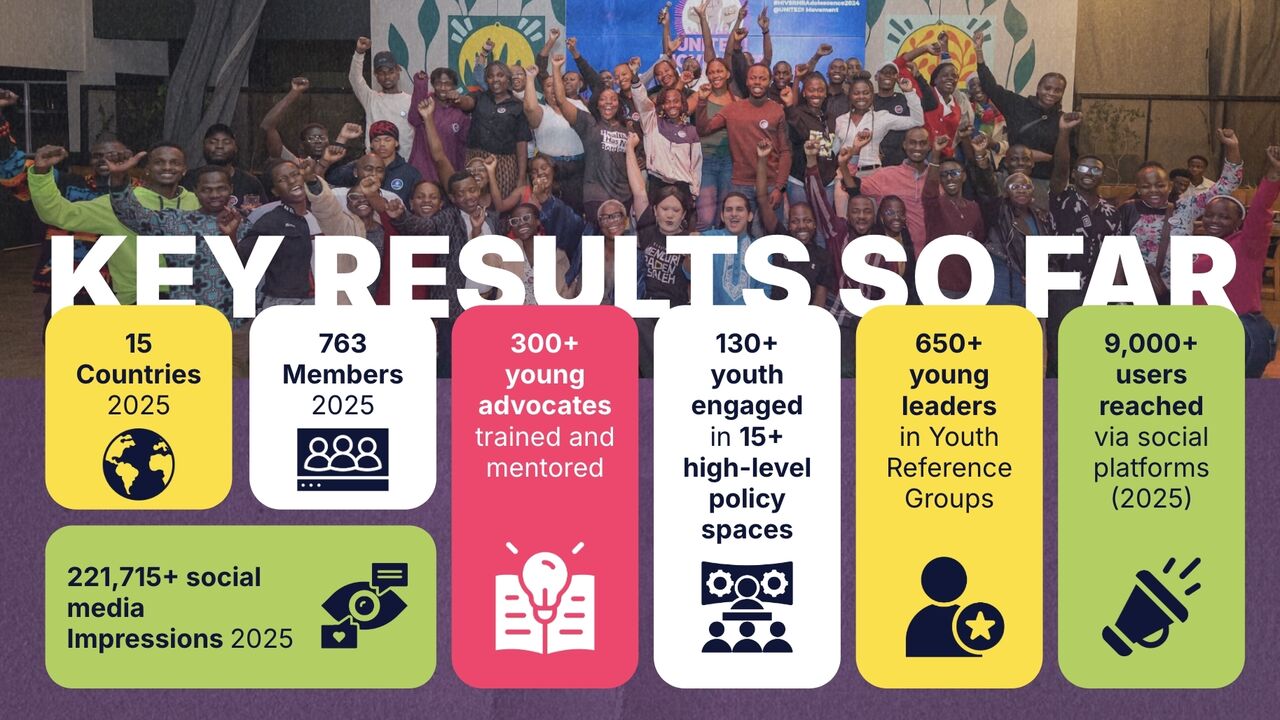
UNITED results 2025
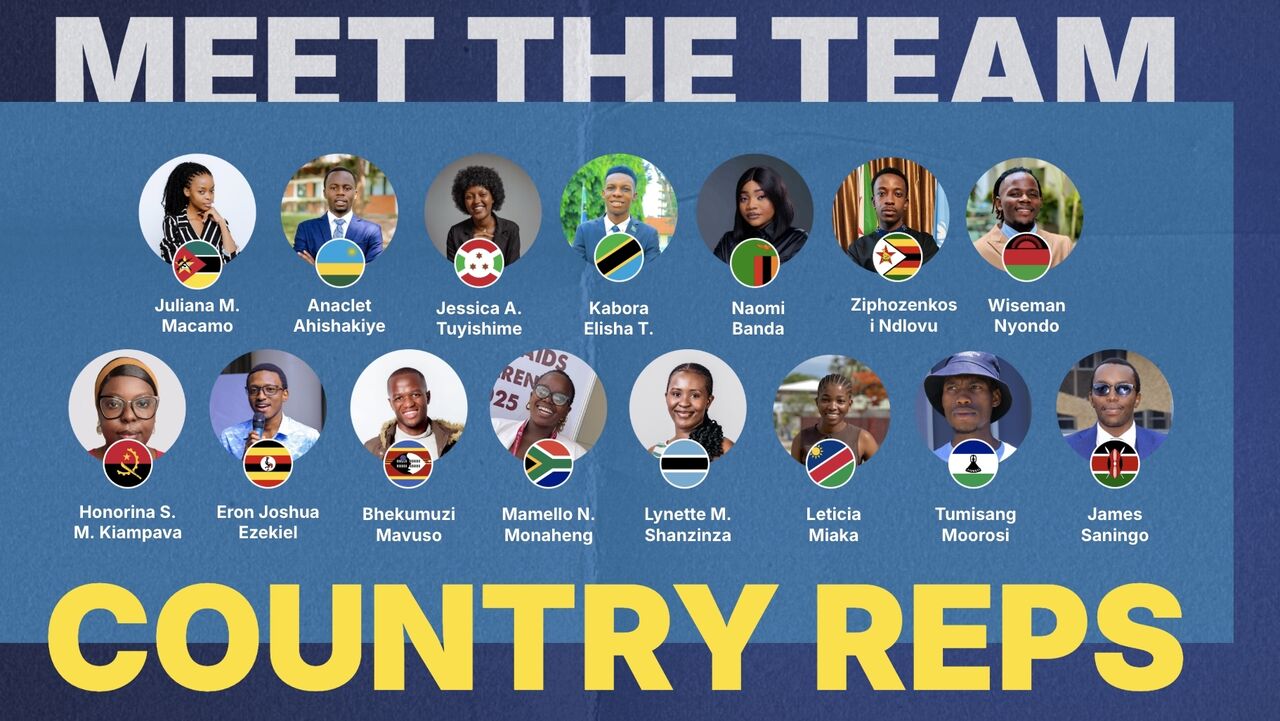
UNITED country reps

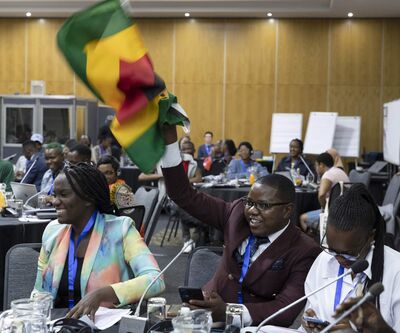
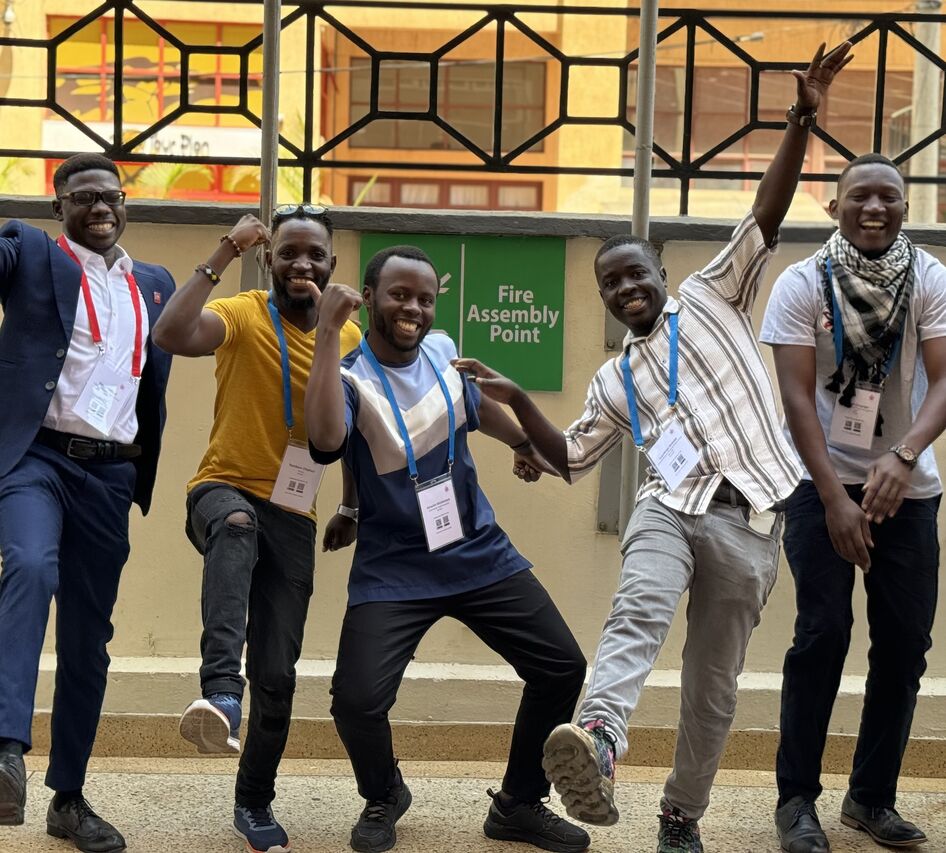
We have come a long way since 2023, when the UNITED! Leadership Summit in Johannesburg invited 100 youth leaders from across the region to share expertise and build alliances.

📖 Read more about the launch of this youth-led movement here and watch the video below. 

JOURNALISTS’-TRAINING-MANUAL-2026_2026-07-02-132439_lkxw.pdf
Journalists 4 SRHR Training Manual
8 MB
UNITED! members not only undertake training themselves, they conduct training for thought leaders, including the media. UNITED! supported the delivery of a media training for 60+ journalists across Eastern and Southern Africa in 2025. This Journalists for SRHR Masterclass handbook provides practical guidance on ethical, rights-based and survivor-centred reporting and meaningful engagement of young people.
Go to external page: Download

Advocacy and Influence

130+ young people attended 15+ decision making spaces between 2023-2025

We demand more than young people having a seat at the table. Each youth-led network represents hundreds sometimes thousands of young people's voices, representation matters. 

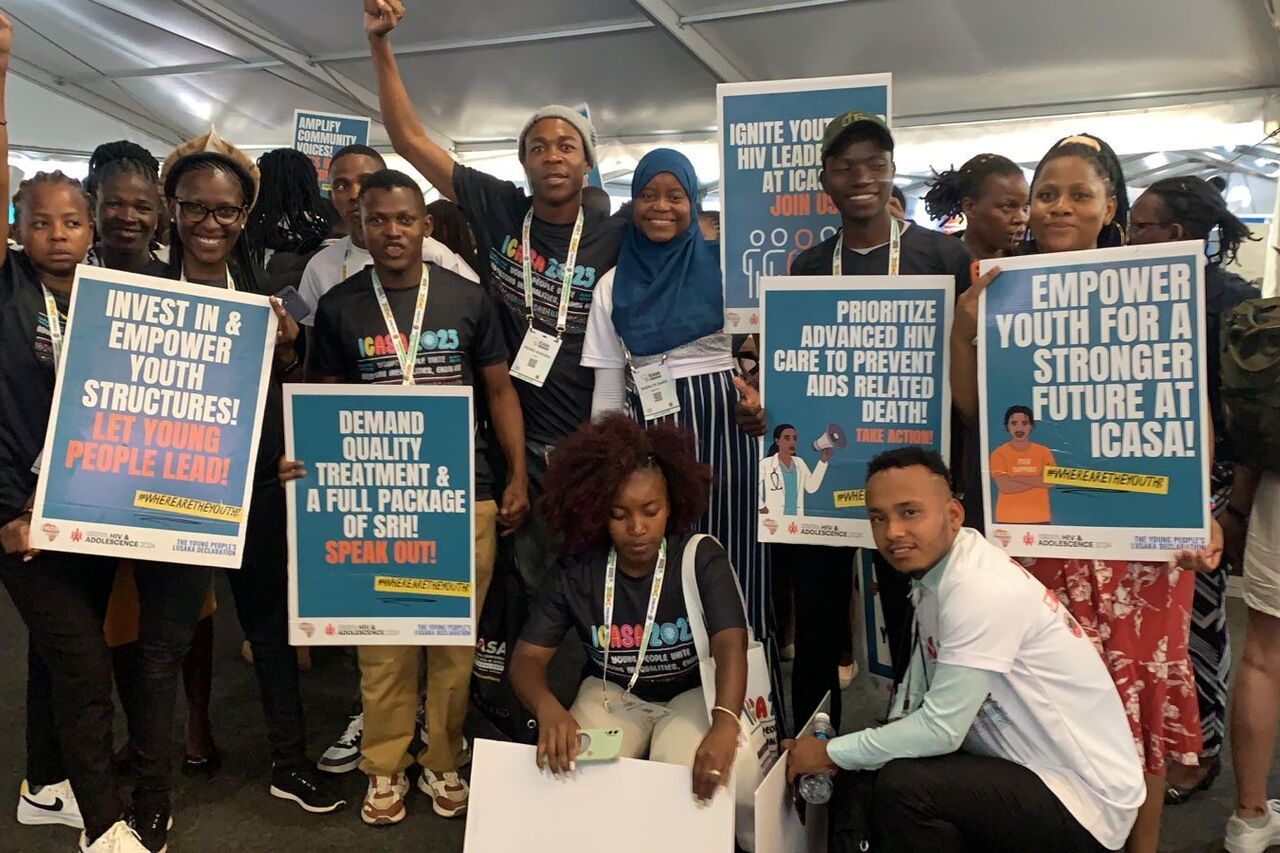
From mobilising at ICASA, Africa's biggest HIV and AIDS conference, to presenting solutions at annual HIV and Adolescents conferences, to briefing the United Nations about what young people need, UNITED! members are there.

By networking, workshopping, consolidating representative opinions, drafting policy briefs, model laws, and testing digital innovations to make feedback and accountability easy and accessible, young voices are not just being heard, they are shaping policies and health outcomes. 

UNITED campaigners at ICASA 2

📖 Read more from Musonda Chikombo about the benefits of networking and exposure at ICASA 2023. And UNITED! Movement's youth-led advocacy at ISACA 2025.

📖 Read more from Rumbidzai Matilda Chidora from Zimbabwe about promoting peer models to transform HIV care at Youth Connekt Africa Summit 2024

📖 Read more from Nyiko Kubai from South Africa about presenting on improving HIV treatment options at the HIV and Adolescents Conference in 2024. 

📖 Read more from UNITED! at the Gender and Social Norms workshop in 2025.

📖 Read more from UNITED! at the Southern Africa Development Community (SADC) Minimum Standards for SRHR meeting in 2025.

📖 Read more from UNITED! at the Commission on the Status of Women 2025.

📢 Young people's demands have been summarised in this statement about the UN's Global AIDS Strategy 2026-31. 

Campaigns

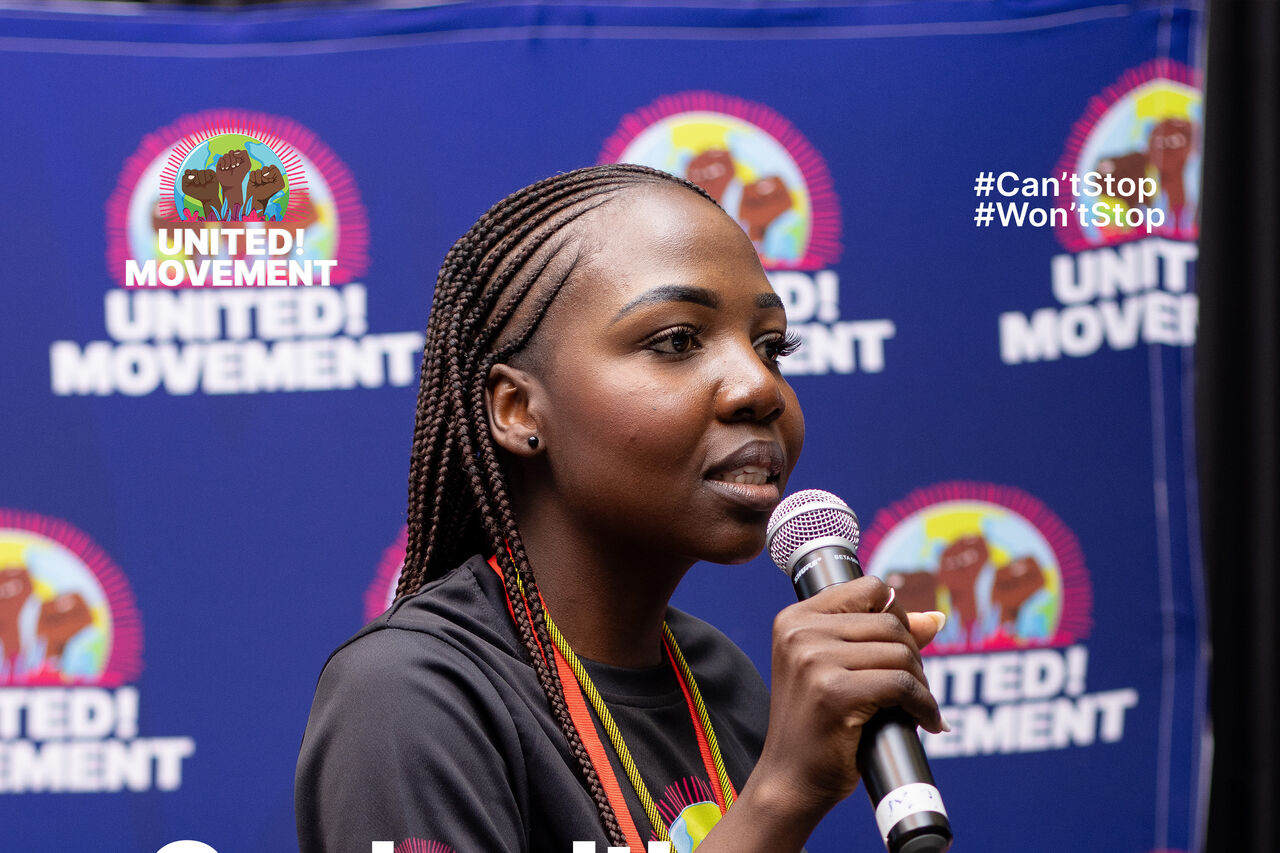
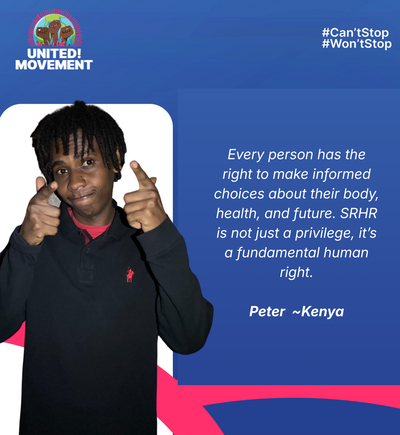
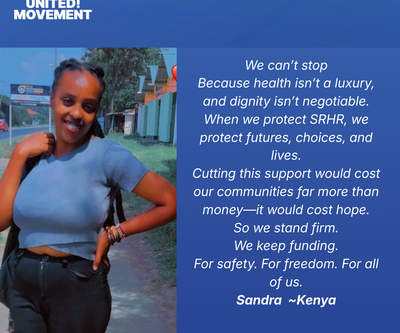
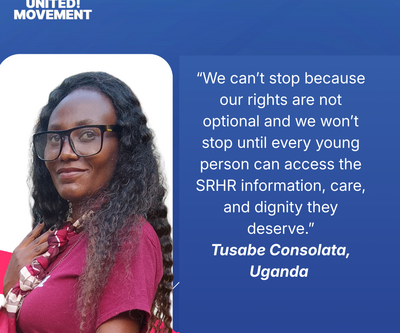
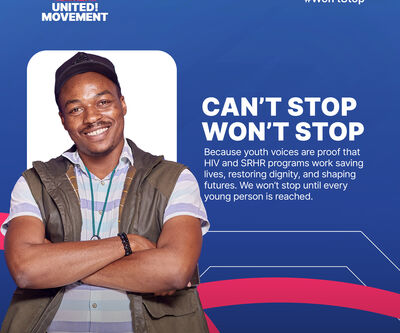
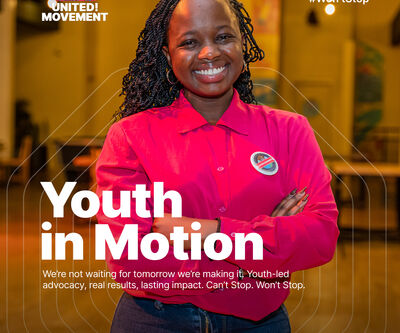
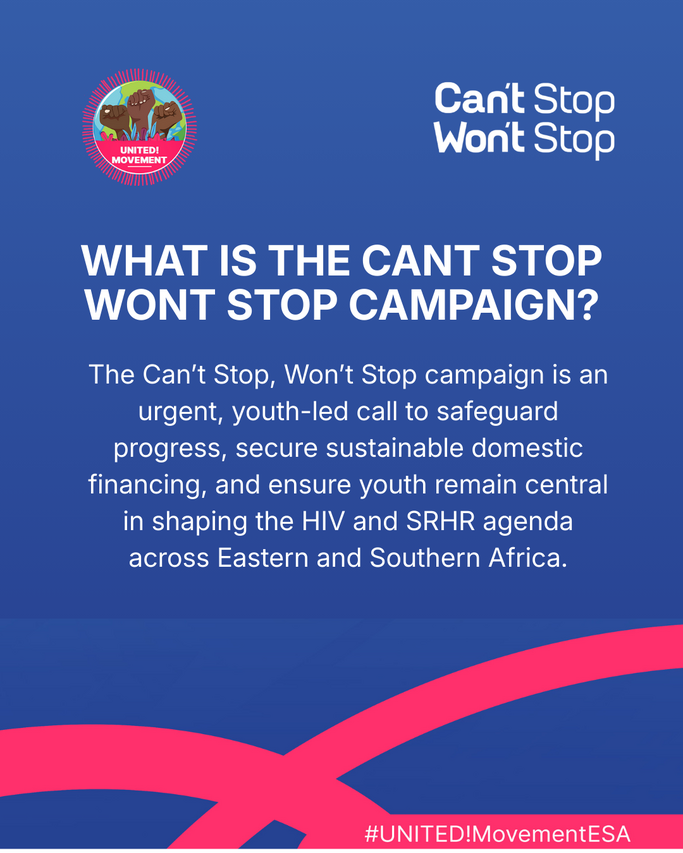
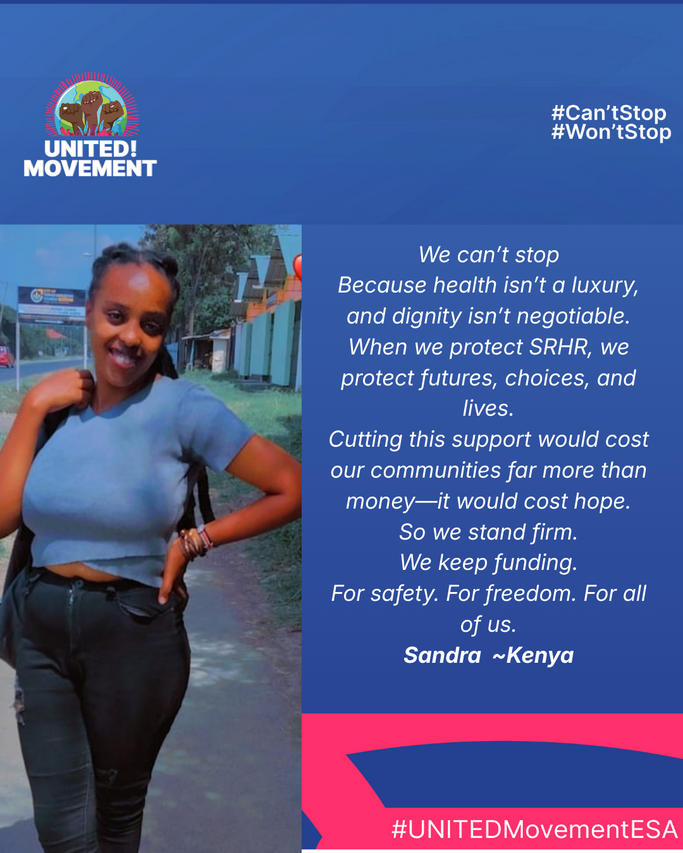
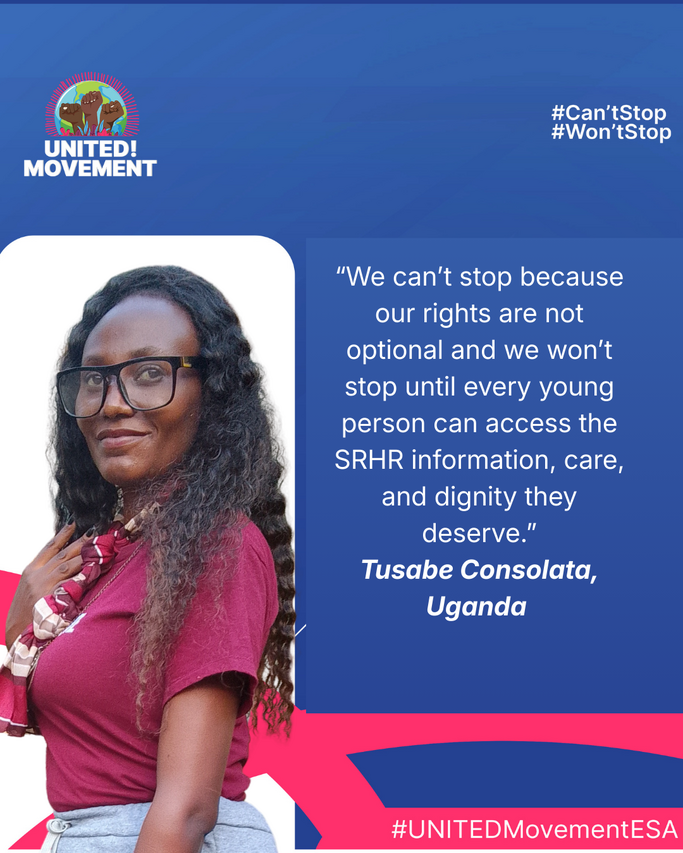
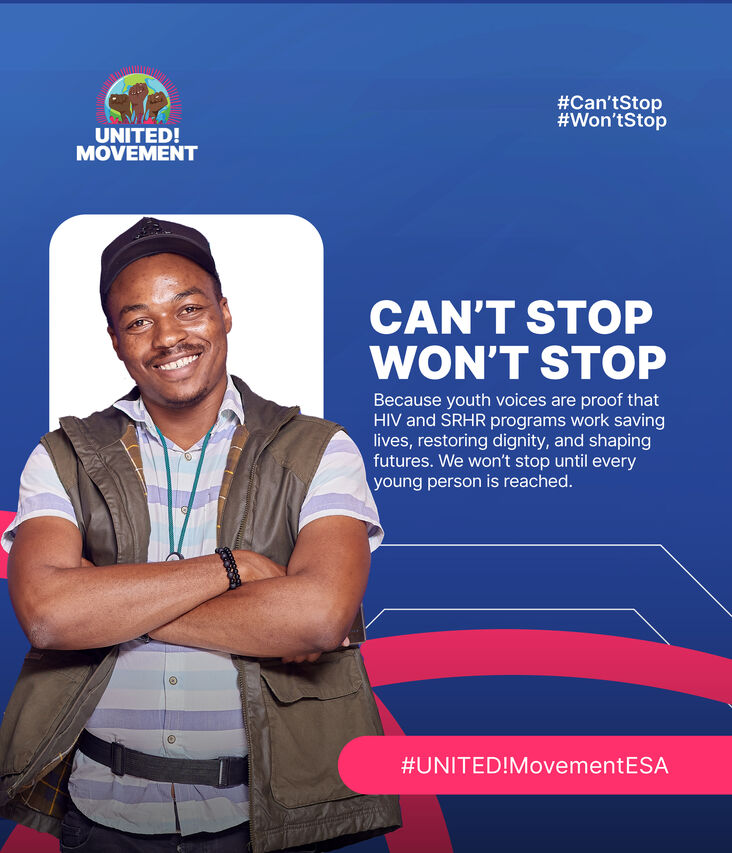
Can't Stop Won't Stop

For more than four decades, the global AIDS response has been powered by grief, rage, courage and determination. Families buried loved ones long before their time. Communities confronted discrimination and built networks of care when the silence was deafening. Scientific breakthroughs and community-driven innovation transformed HIV from a near-certain death sentence into a chronic, manageable condition. The result is one of the greatest public health achievements of the past half century. 

Progress was extraordinary. Over the past decade, AIDS-related deaths among children fell by almost 70 per cent, and the number of adolescent girls acquiring HIV halved. 

Then came the shock. In 2025, abrupt funding cuts disrupted the systems that made this progress possible. Prevention efforts stalled. Clinics faced stockouts of essential medicines. Health workers were laid off. Systems built over decades began to unravel in months.

IG 7

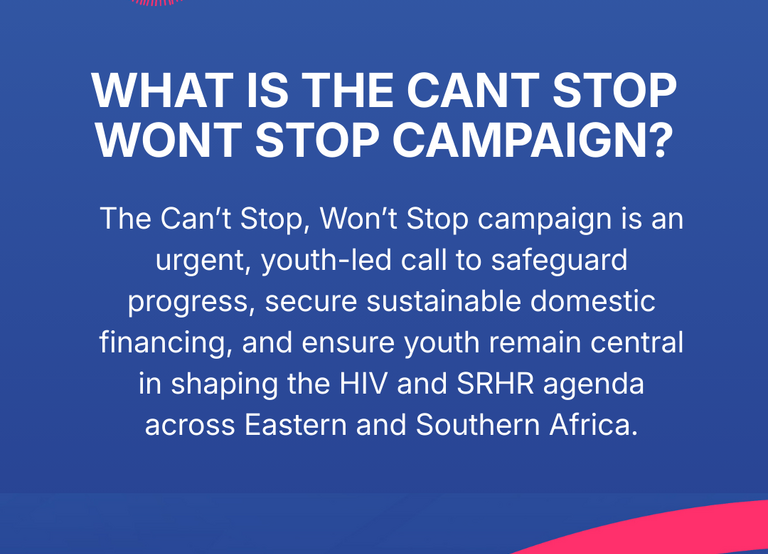
Can't Stop Won't Stop is a UNITED! Movement Regional campaign in 2025 which responded to global funding cuts which threatened to reverse decades of progress on reducing HIV.  

Based on evidence from the 2gether 4 SRHR Cost of Inaction report, the campaign coordinated young people to write love letters to embassies and governments, demanding they:

  • Protect progress – Every dollar cut from youth SRHR and HIV programmes costs lives, futures, and communities. 
  • Fund youth-led accountability and advocacy efforts. 
  • Meet the Abuja target and prioritise youth SRHR within health budgets.
  • Ensure youth have seats, voices, and votes in decision-making spaces.

UNITED! Members were - and still are - directly affected by funding cuts, and spoke out about their personal experiences to global media outlets including SKY News and The Independent. 

4
2
18
16
1
IG 1
IG 3

Lenacapavir

UNITED! Members have long spoken out about the need for choice when it comes to protection against HIV, STIs and unintended pregnancy. Nyiko Kubai from South Africa presented on improving HIV treatment options at the HIV and Adolescents Conference in 2024. The topic heated up around the announcement of lenacapavir (LEN) a new long pasting injectable prevention against HIV. 

The movement facilitated an advocacy workshop so that young members could become PrEP'd for LEN. 

Members are also trained on being a media spokesperson in live media interviews and pitching their own stories to journalists. 

Members who are accessing lenacapavir in Kenya and Zimbabwe spoke to global media outlets including BBC World Service ahead of the new Political Declaration on HIV and AIDS in 2026. 

Testimonials

Blessed Sparch Nhodza, from Zimbabwe, said: “Since we celebrated the launch of LEN earlier this year, we have been working with young people and key populations in all their diversity, ensuring that those most at risk are the ones who will access LEN”. Creating a demand for key health intervention is a key role for “Uncle Blessed” in the role of National Secretary for the Young Peoples Network in Zimbabwe. “So far LEN is mainly for key populations but of course we want it to go to the most affected, and we are concerned about vulnerable girls and young women, a group experiences some of the highest rates of new cases. We must not preach PrEP as a stand alone solution, we must remember that prevention methods eg condoms are still required. We ned a choice agenda, always asking, which is the best choice for you and your environment?"
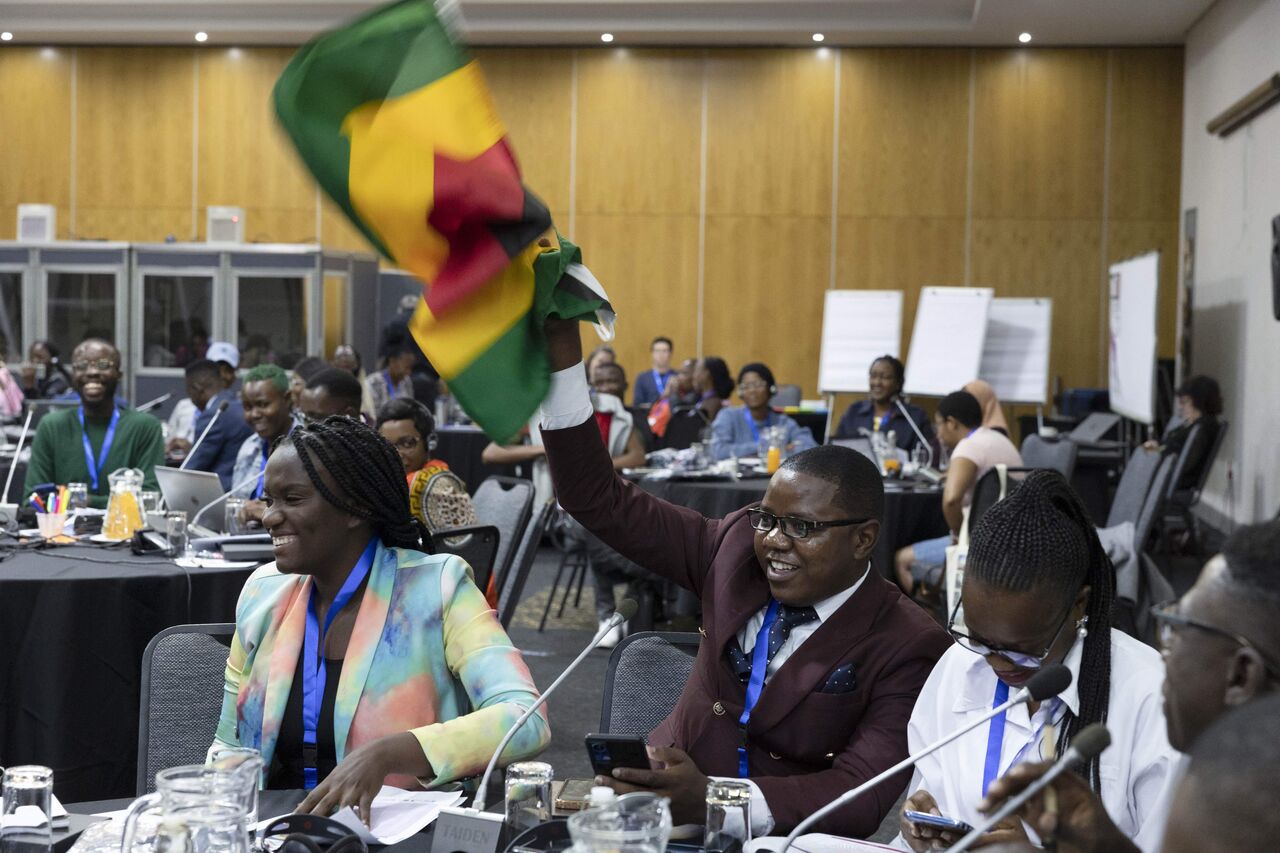
Blessed Sparch Nhodza

Mercy Wanjiku from Kenya said “LEN is a game changer, because you only need to take it every 6 months, and I personally didn’t experience any side effects. It’s also discreet – no one knows you’re taking it, there’s no risk of someone finding your pills and revealing your status”. This is important because in Kenya many young people stop taking daily ARV pills when they go to secondary school and are boarding in dormitories and don’t want classmates to stigmatise them. 

It’s also very common for young people to want to take prep but not want their partner to know. “They need privacy, they need discretion, which LEN offers. People associate wanting to be protected from HIV with promiscuity. There are issues with GBV just because someone wants to go to PrEP. Kenya even has a ‘triple threat’ strategy because the issues of GBV, HIV and adolescent pregnancy are so intertwined. l love that we now have a basket of choices. However, we need access in all 47 counties. We need to allocate more funds towards LEN, because only a few facilities in Nairobi had it and then it was out of stock. Everyone in the community wants it, young people are asking us at AYARHAP how to get it and although it currently free, access free of charge needs to be sustainable and not just for a pilot”. 

Mercy Wanjiku

Youthfluencers

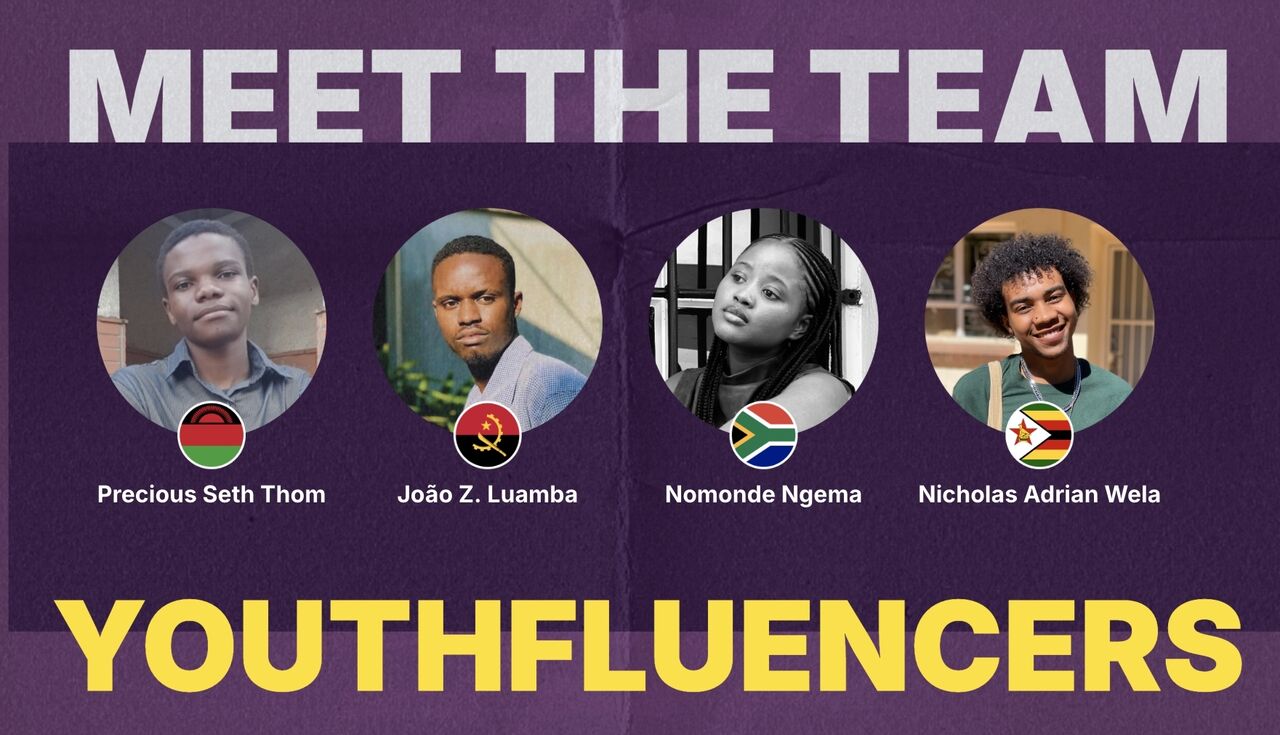
UNITED! has trained and supported young people to build their influence online for more impactful SRHR advocacy.

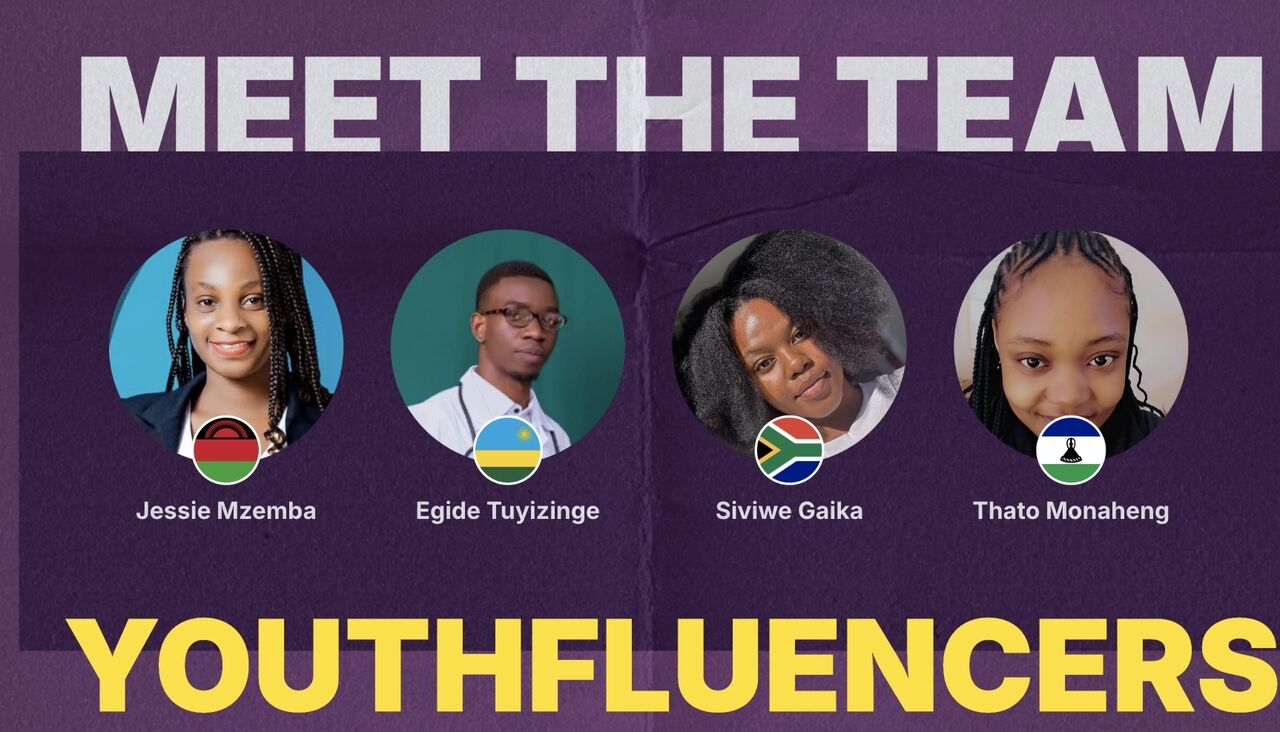
Having gone viral on TikTok for her moving World AIDS Day content, Nomonde Ngema from South Africa spoke with UNAIDS Regional Director on Crossing the Last Mile podcast.

Jessie Mzemba from Malawi spoke with regional media for International Women's Day about what's needed to support adolescent girls. 

Meet the youthfluencers 2
Meet youthfluencers 1

Young people advocating creatively:

Whether podcasting about funding cuts, TikToking for World AIDS Day or Instagramming on International Women's Day, UNITED! speaks you young people in the places they enjoy being. 

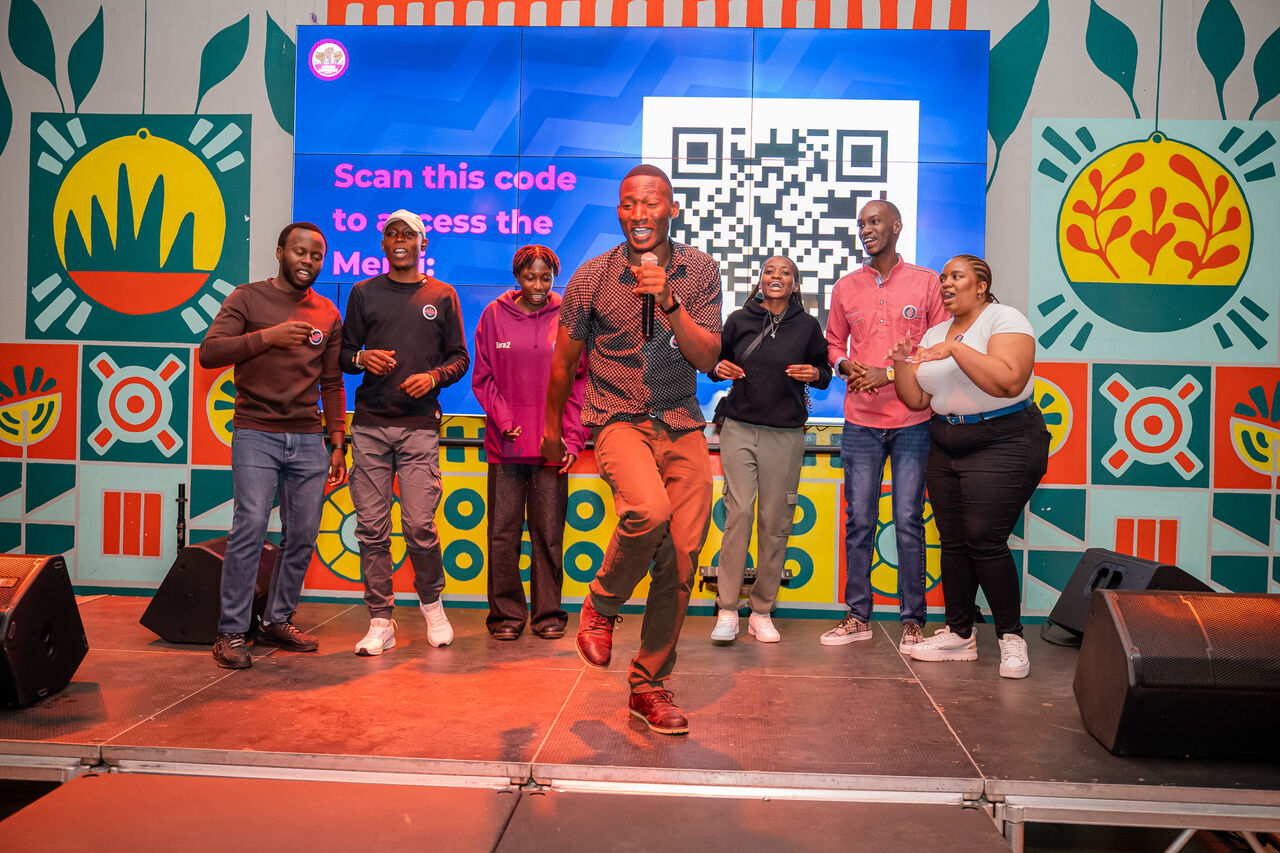
And the movement is growing offline too. Members use fun engaging games to educate and inform young people about sexual reproductive health and rights at events too. 

Musonda
Munnira
Maria Augusta Henriques Bongece 2
Leadership Ntombi ICASA 3
Frida Fortunatus Musilimu from Tanzania 3
Ruele and Faith 1
Munnira Katongole and UNITED Movement Leadership Conference

Snapshot of UNITED! Change-makers

Linda Phiri 

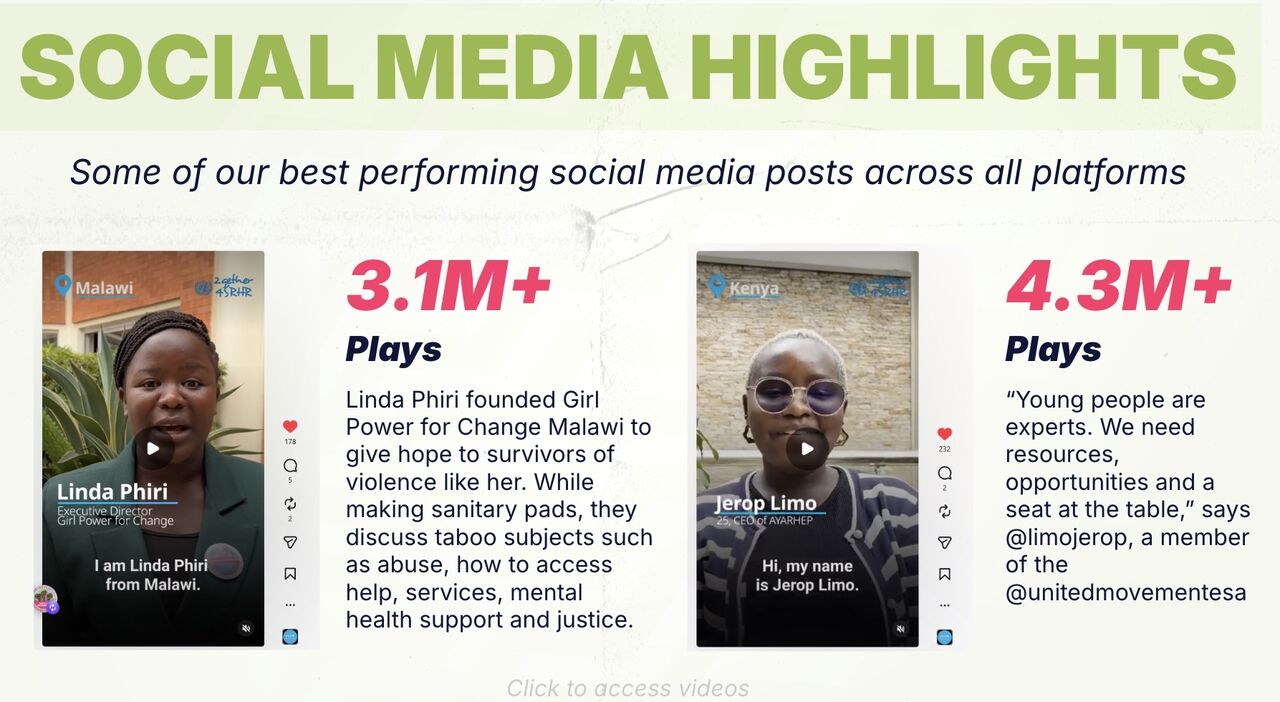
Lindafounded the charity Girl Power for Change Malawi because she wants her story to give hope to girls who experience violence. Her organisation engages young women in making sanitary pads and in the process they also discuss taboo subjects such as sexual violence and how to access help, services, mental health support and justice. 

“In Malawi, I imagine a future where youth can access services without stigma or judgement. I want to continue growing as an advocate for adolescent girls and young women, survivors and non-survivors alike, challenging harmful norms and uplifting others. Our past does not define us. We hold the power to shape today and tomorrow. By working together, showing kindness, and lifting each other, we can create stronger communities and a brighter future”. 

🎥 Watch Linda's reel here.

Whats App Image 2025 01 28 at 11 22 59 1
United social highlights

Jerop Limo

Jerop is a CEO of a youth advocacy organization (AYARHEP) in Kenya, who uses her personal story to drive improvements in youth-friendly HIV services and better prevention education. She’s outspoken on the higher risks faced by adolescent girls - who are six times more likely to acquire HIV than their male counterparts (15-19 age bracket). She has addressed the UN Secretary General at the UN General Assembly and is a Gates foundation Global Goalkeeper. 

📖 Read about her panel appearance at a 2gether 4 SRHR press conference on adolescent pregnancy in 2024. 

📖 Read more about her in Forbes here. 

🎥 Watch her reel here. 

🎥 Watch her on BBC News here.

🎙️ Listen to her BBC radio interview on living with HIV recorded at the UN General Assembly here. 

Jerop Limo at UNGA

Nissy Namayomba

Nissy is a member of UNITED! living with a disability whose advocacy has helped create local bylaws in Uganda, to ensure perpetrators of gender-based violence are brought to justice. GBV is a major concern in her community, where a large proportion of people living with disabilities have experienced sexual violence. It is estimated that between 40-70% of women living with disability have experienced sexual violence, which means they are at least twice as likely as non-disabled women to experience sexual violence.

Nissy realised violence was normalised in her region of Uganda, partly because national laws were not properly understood. By educating local police, religious leaders, health and social workers and the community about existing legislation, Nissy and her colleagues at ADPHA Uganda successfully advocated for HIV/AIDS prevention and control by law.

Now, perpetrators are criminalised and brought to justice, which itself acts as a deterrent. This is a win for survivors, reduces the risks faced by potential victims, helps reduce HIV, STIs and unintended pregnancy and also encourages Persons with disabilities living with HIV to access HIV information and services without discrimination.

🎥 Watch Nissy's reel here.

Nissi and Patricia 1

Ruele Okeyo

Ruele, is a young Kenyan advocate trying to address the major challenge of stigma. Too many people feel shame taking ART, especially young men. Ruele takes his ART in public to help normalise the idea of taking this medication and is using social media to reach young people. He writes about his advocacy work in this opinion piece published in Open Democracy. Read more about his story here. 

"People on TikTok usually post sad depressing content on HIV, which frightens people from taking the very medication which can save their lives" he says. Ruele’s following on tik tok blew up when he started taking antiretroviral medication in public places in Kenya, such as church, the supermarket, or even the police station. Initially, Ruele received hateful homophobic comments, but the response has now switched from life-threatening to life-giving. After launching a podcast, Sex Ed by Ruele-ations, Ruele got a message from someone in Philippines, who had been considering suicide, but now had hope.

Ruele Okeyo profile credit Emmanuel Lee 1

Munnira Afrikana Katongole

Munnira from Uganda, living in South Africa is a human rights activist and Lead of the UNITED! Movement in South Africa. She told‌ Forbes Africa that the magnitude and calamity of femicide will only be grasped when women preside over the issues of women. She’s one of one million signatures which successfully called for femicide and sexual violence to be declared a national disaster in South Africa in 2025- an action she says will offer the intensive focus required to alleviate the crisis, akin to the Covid-19 response. She argues it should unlock coordinated, multi-sectoral interventions, increased funding, and stricter enforcement. 

“I engaged in advocacy wherever I could - class discussions, writing competitions, marches, and gradually built visibility. When I discovered the UNITED! Movement, it resonated deeply. It sits at the intersection of all the issues I care about. The movement allowed me to connect with like-minded young people, share resources and strategies, and understand that these experiences are shared. I am not alone, and the system, not I, needs to change.”

Munnira

Selma Ndasilohenda Iyambo 

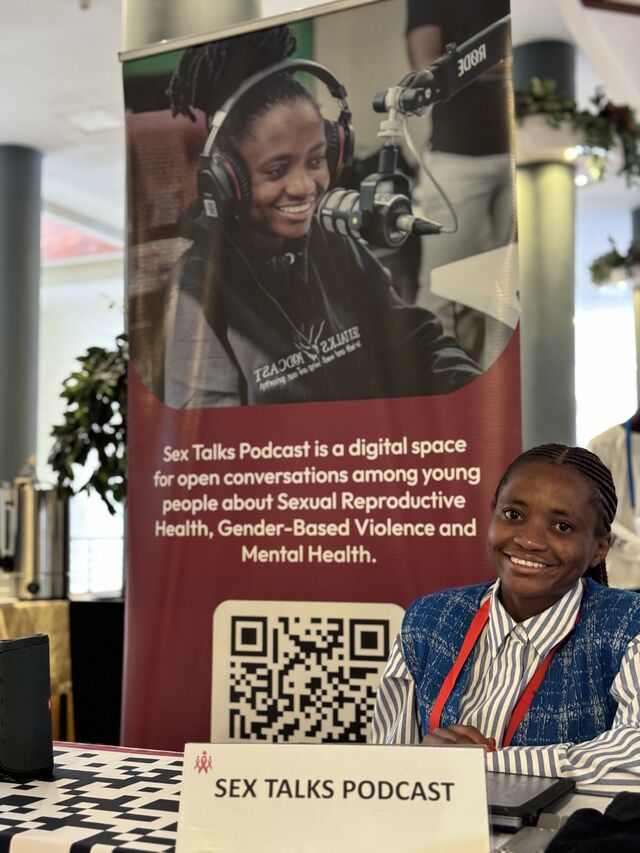
Selma is an award winning podcaster who breaks down taboos and informs young people about choices as founder and host of Sex Talks podcast. The 23-year-old speaks  about issues society normally finds taboo. Even admitting young people are having sex is the first step.

How else can Health Ministries map the needs of young people and provide adequate access to information, contraception, healthcare and support?

“Educating young people about sexual health is the same as buying an umbrella before rainy season. When you are ready to engage, you have the means to protect yourself,” says Selma.

She got a lot of backlash at first because people assumed she was recommending sex positions. But rather, the Sex Talks Podcast is about debunking the fear around the word sex. It’s about health advice and the pros and cons of certain contraceptives. The pod has informed listeners about symptoms of STIs, led to them getting tested and treated and referred many to youth friendly clinics for services.

Selma 2

From Evidence to Action

UNITED! members also regularly contribute to programme, policy and advocacy briefs which inform youth programming and share evidence. 

For youth programme implementers, the latest evidence on what works for meaningful youth engagement can be found here.

A youth health workforce in action 

Many UNITED! members have started their careers as volunteers or worked as peer mentors, one of the highest impact community-led models in the HIV response. 

Poeletso in South Africa and Ntombikayise in Zimbabwe show how many peer-driven models are demonstrating promising results - in improving HIV treatment outcomes and testing uptake, postnatal contraceptive use, attendance of antenatal care, male partner engagement as well as improving mental health of adolescent and young mothers. 

For Andile in South Africa, the journey has also been transformative personally.  “As a Young Mentor Mother, I provide health education and psychosocial support,” she explains. Through her work, she has gained skills in communication, leadership and counselling, and, for the first time, financial independence. “Being able to provide… that means a lot.”

Across the region, countries including South Africa and Zimbabwe are now scaling and embedding peer support into national systems because it works. In a context of shrinking aid, investing in programmes like this delivers real multiplier effects: improving outcomes not only for girls and their children, but for entire communities. It is both the right thing to do and a smart investment in Africa’s future.

Content Submission

Content Submission

Contribute to the 2gether 4 SRHR Knowledge Hub by submitting the latest research, resources and knowledge products linked to sexual and reproductive health and rights

Go to:
Submit content