Finding her courageous heart: How a young mother turned hardship into hope for others
Stay Informed
Get the latest news delivered to your inbox
Finding her courageous heart: How a young mother turned hardship into hope for others
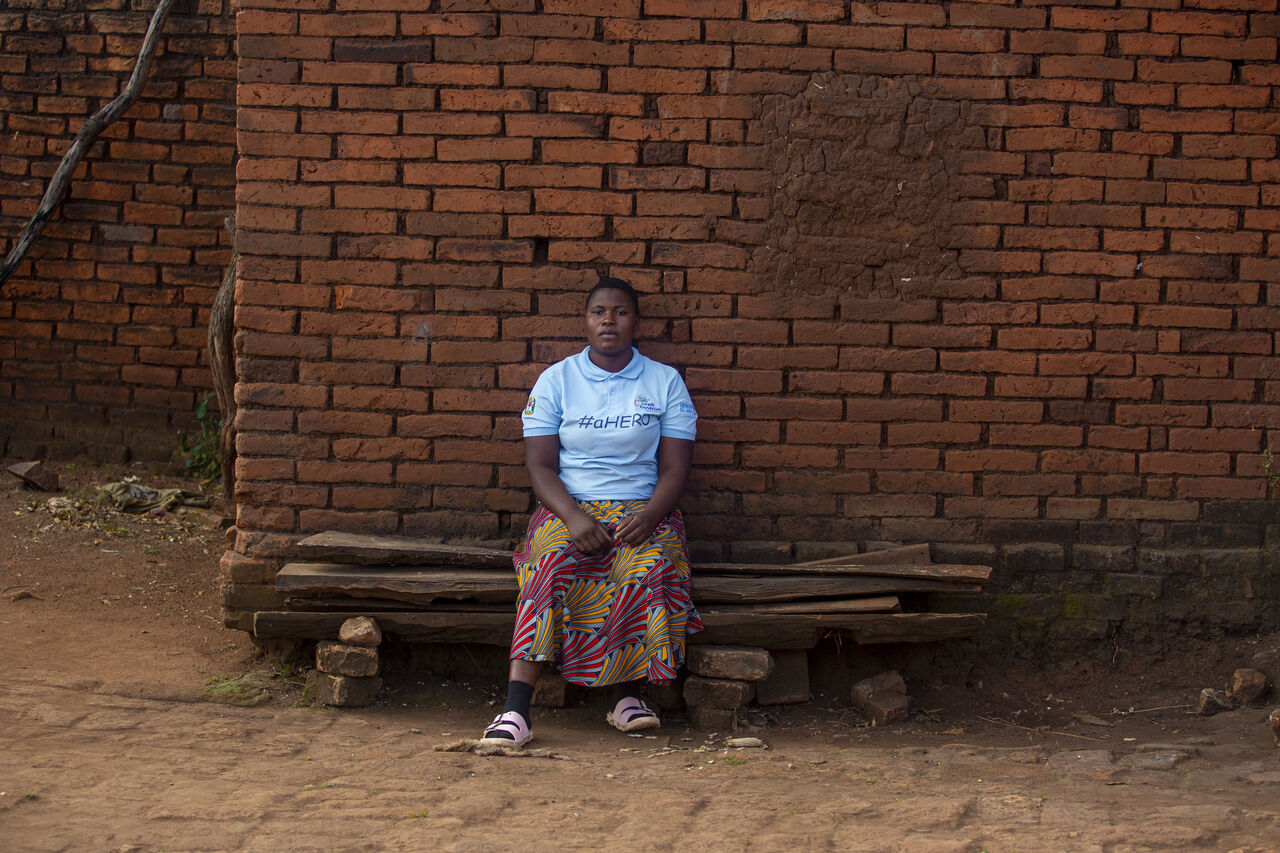
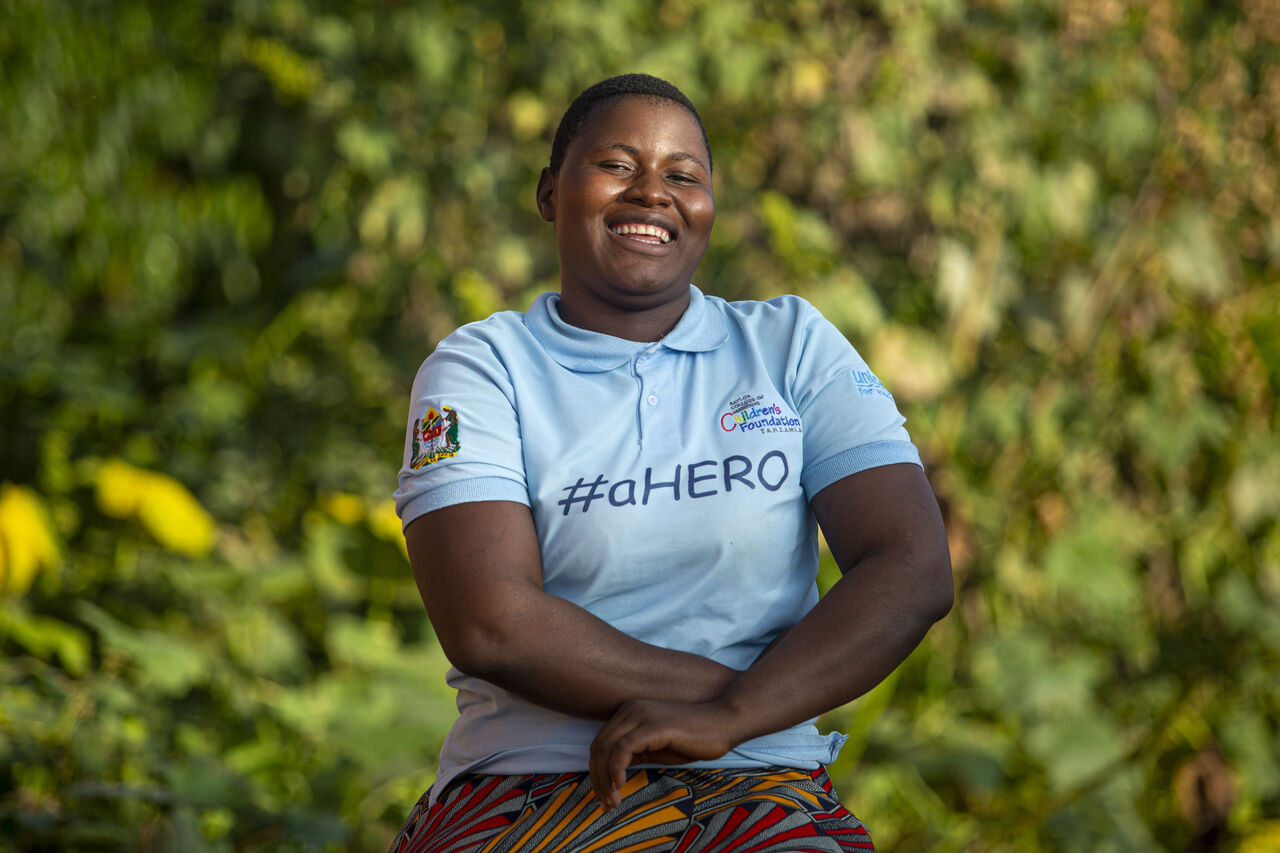
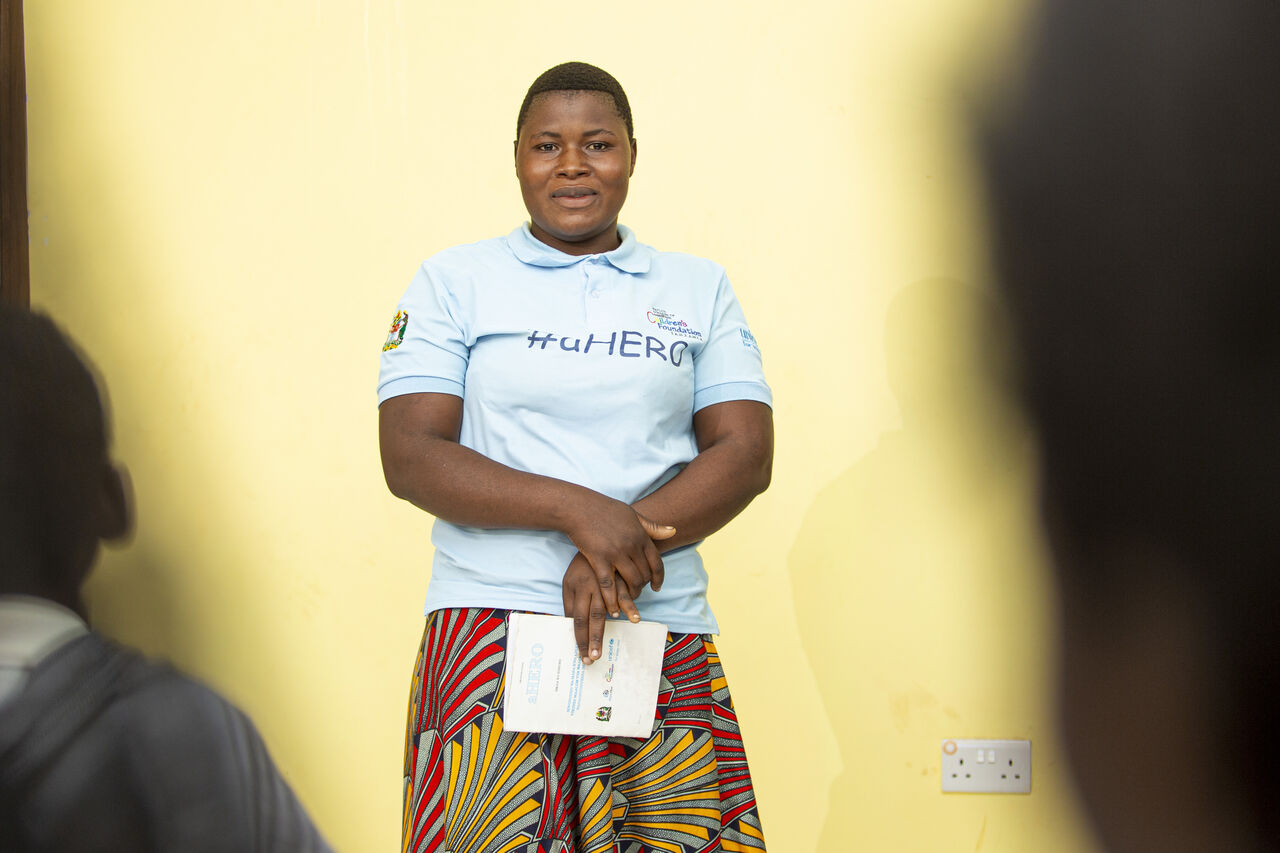
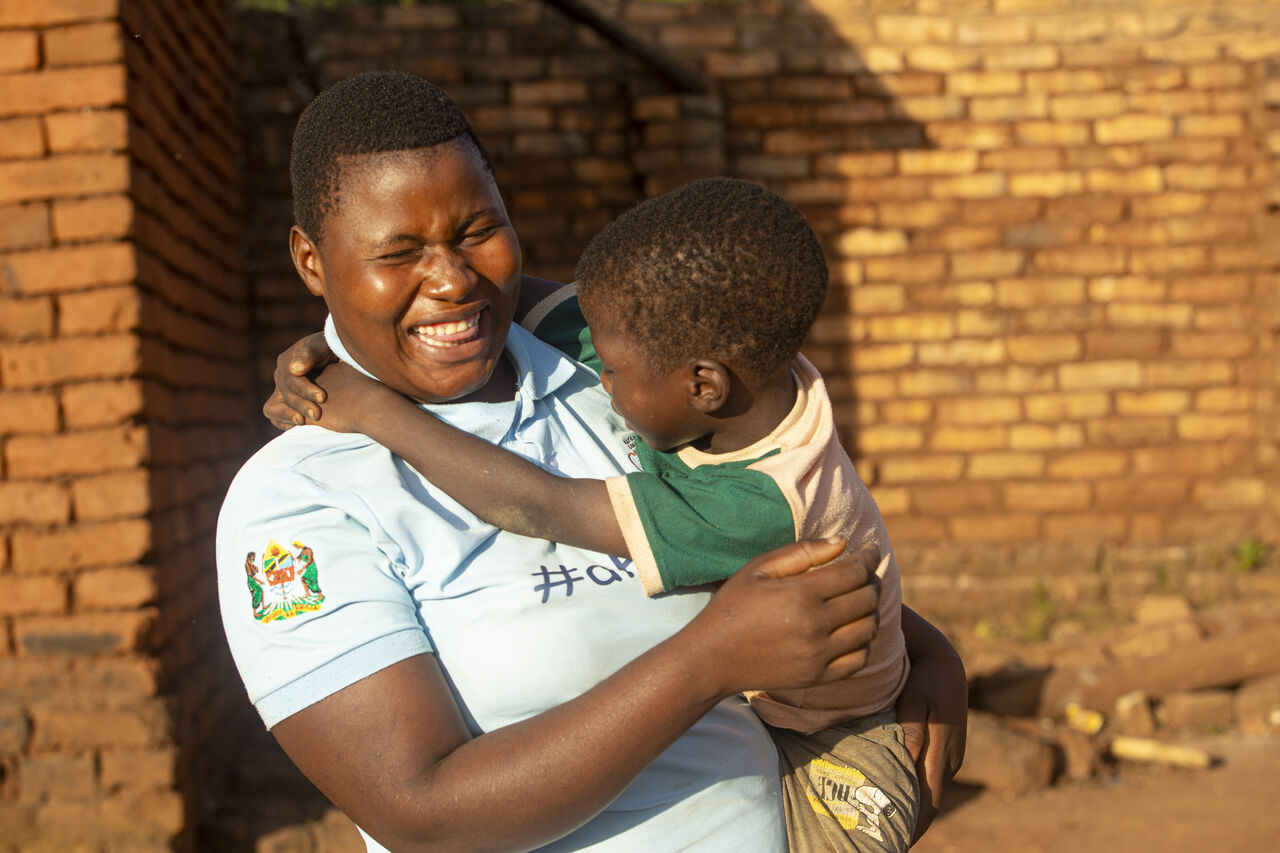
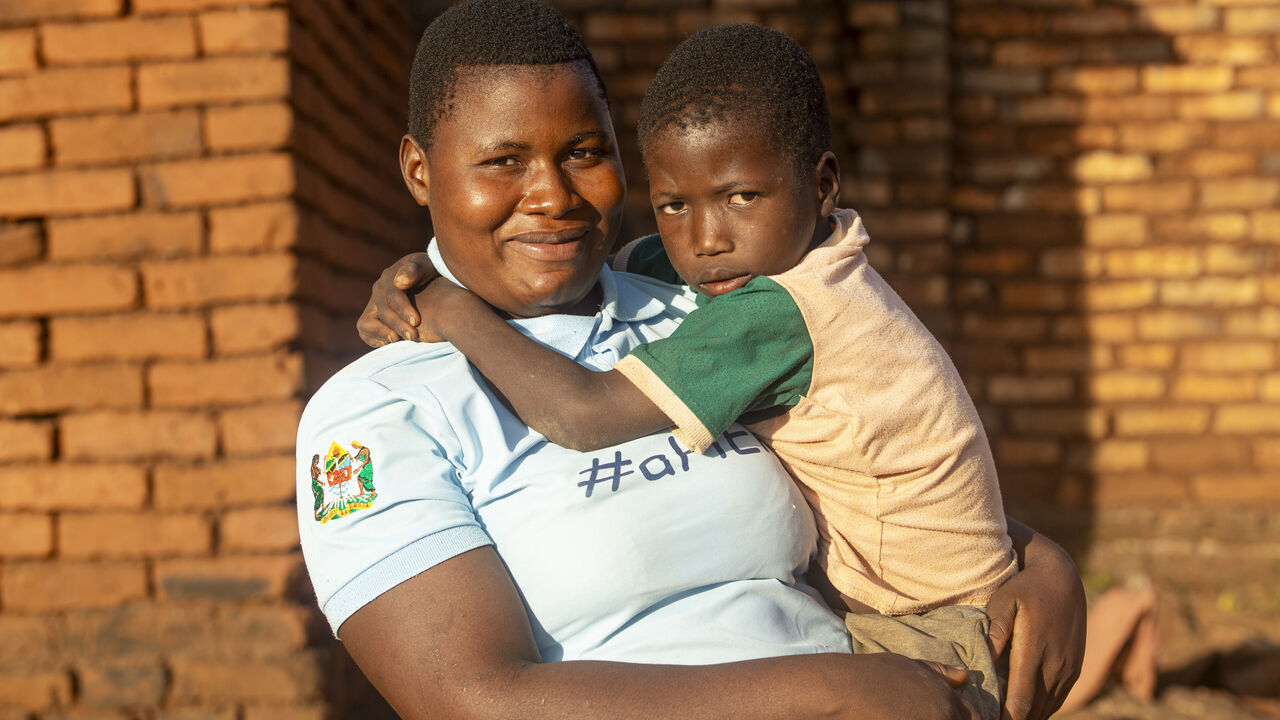
Songwe Region, Tanzania: At just 12 years old, Jackline became a mother before she had finished being a child herself. Standing in a hospital ward, she carried responsibilities far beyond her years. What followed was a journey marked by loss, isolation and hardship. Yet today, Jackline is helping other young mothers navigate some of the same challenges she once faced alone.
As a Young Mentor Mother (YMM), she uses her own experience to support adolescent girls and young women living with HIV, helping them access health services, stay on treatment and build confidence in their futures. "I learned that having moyo wa ujasiri, a courageous heart, does not mean life is easy, but that I am strong enough to face it," she says.
A community network of support
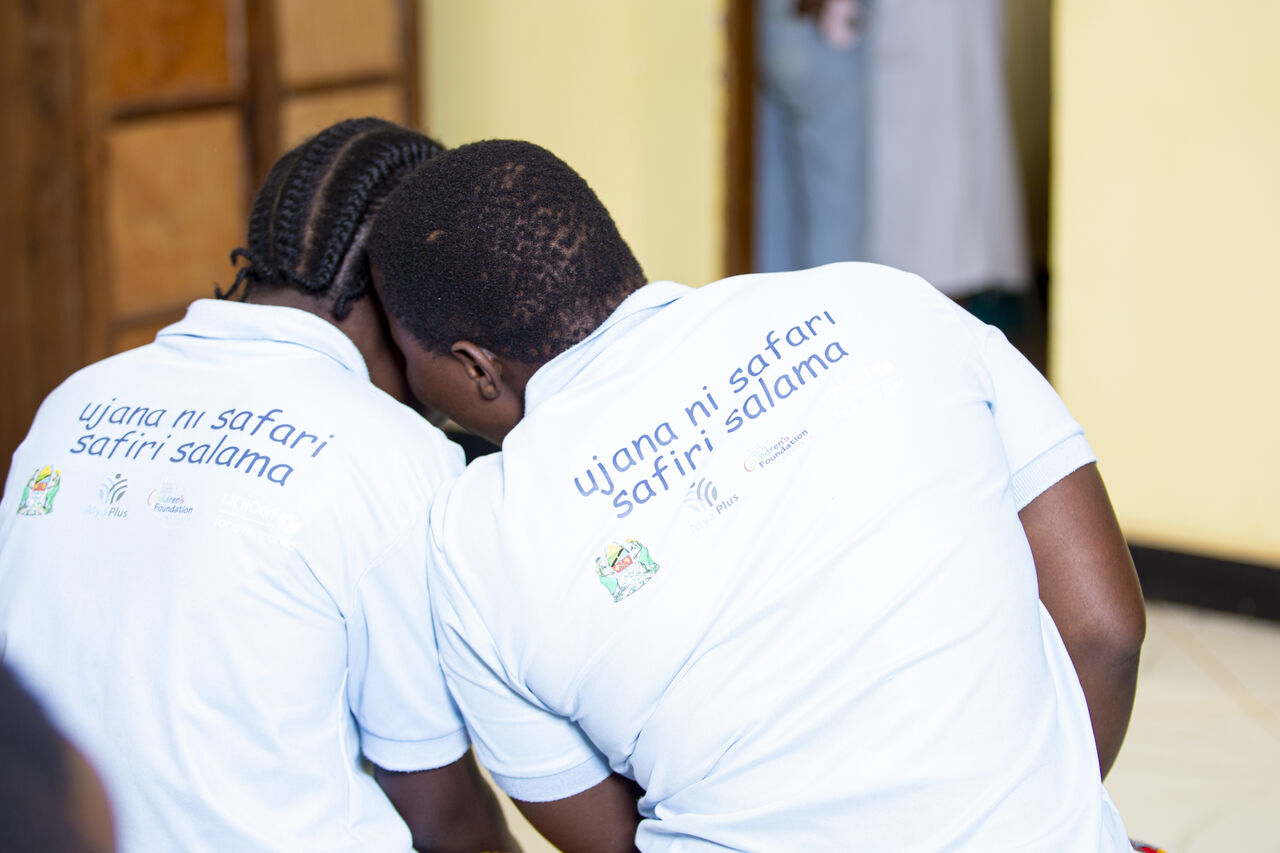
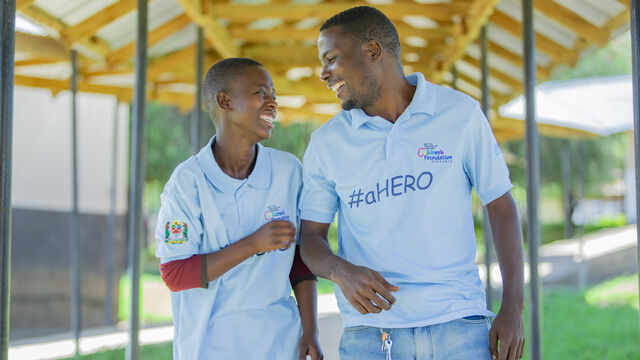
Jackline's work is part of a broader Young Mentor Mother approach, supported by UNICEF Tanzania through the aHERO Project, implemented by Baylor Foundation. Young Mentor Mothers work collaboratively with existing Community Health Workers (CHWs) and peer educators and this network serves as a vital link between families and health services. Through home visits, community outreach and follow-up support, they help identify pregnant women, mothers, children and adolescents who may need care and connect them to services such as antenatal care, HIV testing, treatment, sexual and reproductive health services and psychosocial support.
Young Mentor Mothers are adolescent girls and young women living with HIV who have successfully completed the prevention of mother-to-child transmission pathway. Drawing on their lived experience, they provide peer counselling, support treatment adherence, encourage mothers to remain in care and help ensure children receive the services they need to thrive. This support is given through 62 antenatal and postnatal clubs for pregnant and breastfeeding adolescent girls and young women, with each club consisting of up to 20 members. This community support system helps women and adolescents overcome stigma, stay connected to care and achieve better health outcomes.
A childhood interrupted
Jackline's first pregnancy ended with a caesarean delivery. Despite her efforts to care for her young son, he later died from malnutrition at the age of three. The grief was overwhelming. The child's father had denied the pregnancy from the beginning, leaving Jackline to face motherhood and loss on her own. Years later, she married and hoped for a fresh start. During her next pregnancy, while attending antenatal care, Jackline learned she was HIV-positive. Although she began treatment, the diagnosis filled her with fear.
"I felt completely alone," she recalls. "I was sick with worry, afraid of the future, and unsure if my life still had value." Instead of finding support at home, she faced neglect and emotional isolation. Some days, she says, she was not even given food. Finally, she confided in her aunt. That moment changed everything.
Responding with compassion and practical support, her aunt encouraged Jackline to start a small cooking business. The opportunity gave her a renewed sense of independence and helped rebuild her confidence at a time when she felt she had lost hope.
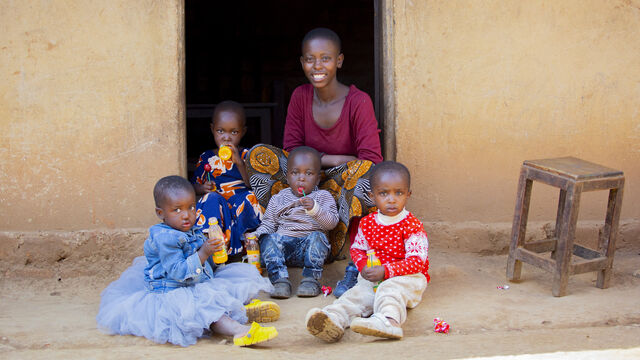
But another tragedy was still to come. Just one week after the birth of her second child, the baby's father died by suicide after refusing HIV testing during antenatal care. Once again, Jackline found herself raising a child alone. Today, her daughter is five years old and attending school.
A turning point
Despite the hardships she endured, Jackline refused to give up. Her breakthrough came when she joined the Young Mentor Mother programme. For the first time, she found a community of women who understood her struggles and accepted her without judgement. Through training, peer support and shared experiences, Jackline gradually rebuilt her self-esteem and rediscovered a sense of purpose.
Turning experience into action
Today, Jackline encourages pregnant adolescents and young mothers to attend antenatal care, supports women living with HIV to remain on treatment, and helps connect families to health and social services. She provides peer education on HIV, sexual and reproductive health, pregnancy and infant feeding, using her own story to reassure young women that they are not alone. For Jackline, every conversation is personal. She often reflects on how different her own journey might have been if she had received accurate information and support earlier in life. That realization now motivates her to help ensure that other girls do not face the same struggles alone.
"I want young women to know that there is hope," she says. "There are people who can help."
Leading the next generation
The same experiences that once left Jackline feeling isolated are now helping her connect with and inspire others. Her journey is a powerful reminder that when young women are given support, skills and opportunities, they can transform personal adversity into a force for change. Today, Jackline is not only rebuilding her own future. She is helping other young mothers believe in theirs.