Learning, leading and protecting their future: Young men taking action for their health in Tanzania
Stay Informed
Get the latest news delivered to your inbox
Songwe Region, Tanzania:
Improving adolescent health requires more than services at health facilities. It requires trusted people within communities who can connect young people with information, support and care.
In Songwe Region, Community Health Workers (CHWs) play a vital role in helping adolescents access HIV prevention, sexual and reproductive health services, and other essential care. Through household visits, referrals and follow-up support, they identify young people who may need assistance and ensure they are linked to the services available to them.
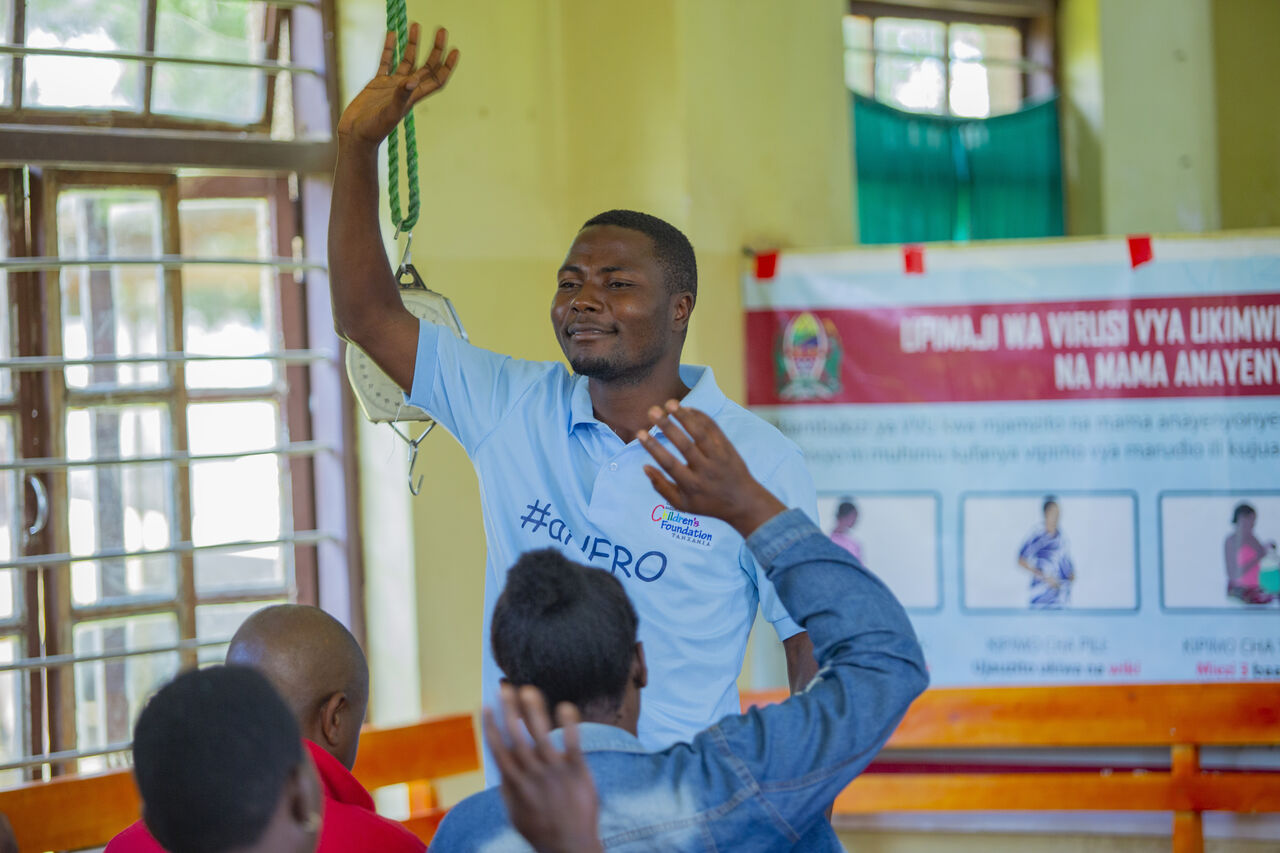
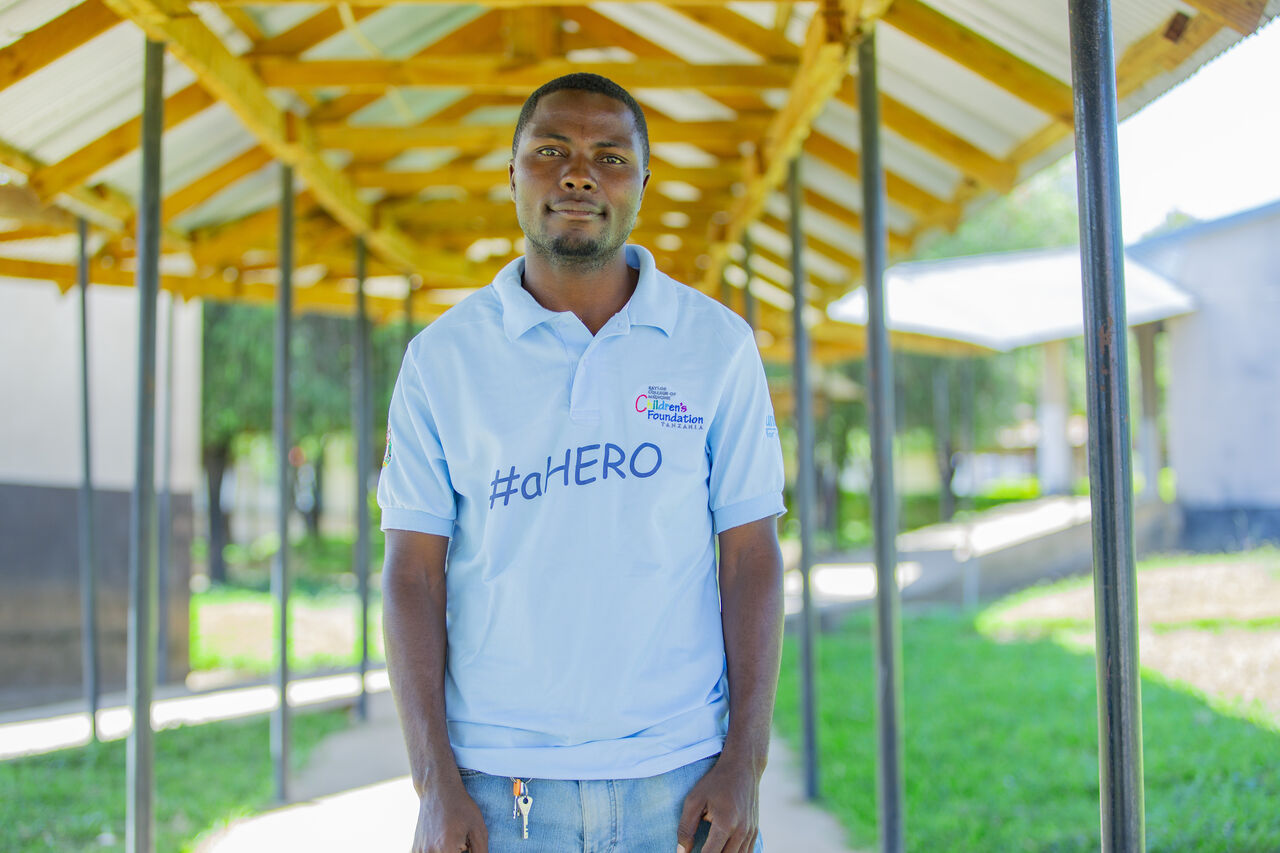
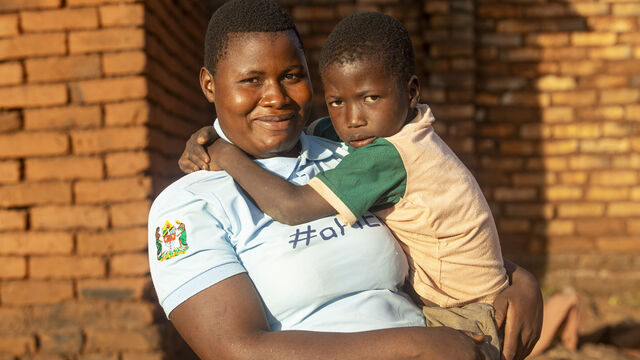
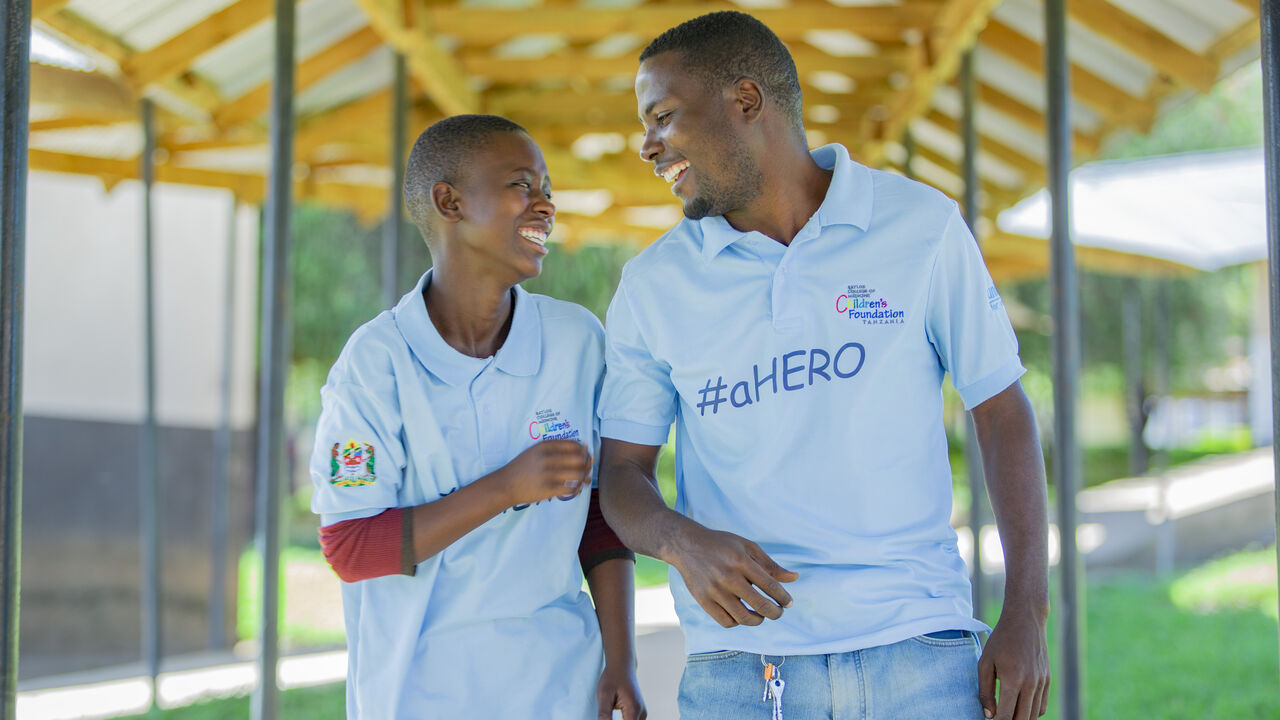
For David Adam Ndile, a Community Health Worker with eight years of experience, those connections are built one conversation at a time. Every week, David visits between 20 and 25 households, providing health education and identifying families facing challenges such as poverty, food insecurity or difficulty accessing healthcare.
"These household visits give adolescents and young people a chance to speak openly about their challenges," he says. "Because the community knows and trusts us, they are willing to ask questions, seek help and access services that can improve their lives."
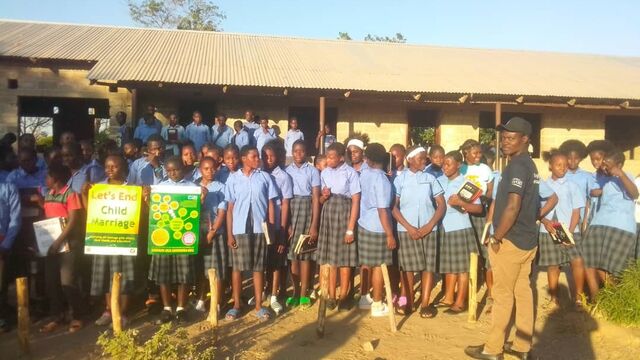
David delivers health education wherever people gather, including schools, community meetings, health facilities and places of worship. He also works closely with Young Mentor Mothers to follow up with adolescents and families who may have missed appointments or need additional support.
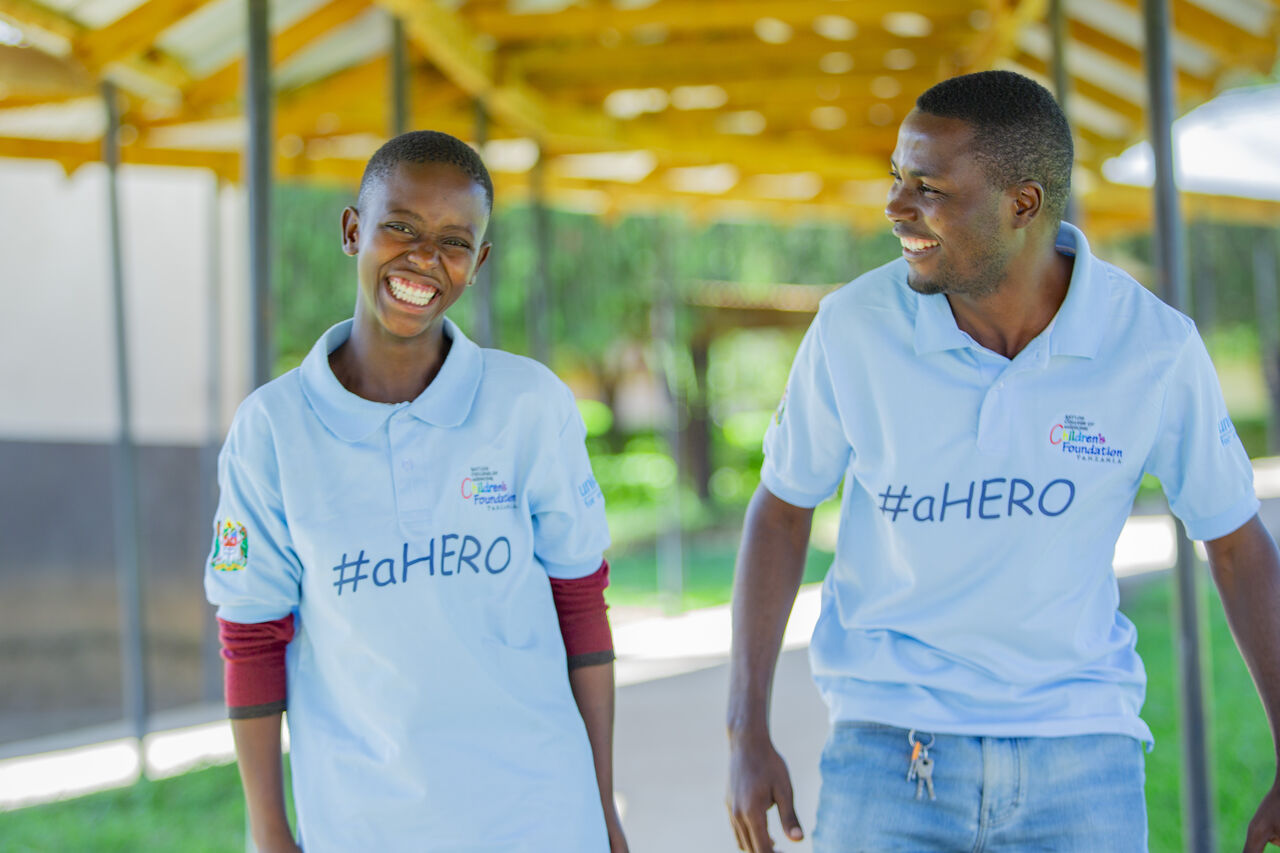
One of the ways David reaches young men is through community clubs, where adolescent boys and young men come together to learn about HIV prevention, healthy relationships, sexual and reproductive health and responsible decision-making.
Facilitated by Community Health Workers, the clubs provide a safe, supportive space for honest dialogue, peer learning and reflection on positive masculinity.
For Amos*, 24, a farmer and entrepreneur, the experience has been transformative. "This programme, through community clubs, has empowered me to understand myself, protect my health, and guide my younger siblings with the knowledge that will help us all rise toward a brighter future."
Building knowledge and confidence
62 clubs were established across the 3 districts in Songwe. Within six months, 1,172 pregnant adolescents and parenting young mothers were actively attending antenatal and postnatal clubs based at their local health facility.
For many participants, the clubs offer an opportunity to ask questions and discuss issues that are rarely addressed openly. Omary*, 21, first learned about the club during a visit to a health facility. "I first learned about the club when an educator encouraged me to join and learn how to protect myself from infections. I've been attending ever since because every session teaches me something new and gives me the strength to take better care of myself and my future." Through discussions on HIV prevention, testing, contraception, healthy relationships and personal responsibility, participants gain knowledge that helps them make informed decisions and become role models among their peers.
Connecting young men to services
The impact of the clubs is also reflected in how young men engage with health services. For Martin*, 24, participation helped him overcome fears that had previously prevented him from seeking care. "With the right information from the clubs, I finally found the courage to get an HIV test and access condoms. The health facility now feels warm and welcoming. My understanding has grown, and even the long waiting hours that once scared me no longer stand in my way."
According to David, this growing trust in health services is one of the programme's most important achievements. "Over the years, I have seen many harmful beliefs and misconceptions disappear as people gain access to accurate information. Young people are becoming more confident about seeking services and taking responsibility for their health."
Creating healthier communities
The benefits extend beyond individual participants. Young men are increasingly sharing information with friends, siblings and partners, helping to create healthier and more informed communities. Said*, 24, a father of two, believes the knowledge gained through the clubs is relevant for all young people. "I will encourage my fellow youth to come and learn how to protect themselves from HIV and AIDS, and to understand family planning, because it is important and relevant for young people."
For David, these ripple effects are exactly what community-based programmes are designed to achieve. By creating trusted spaces for learning and linking young people to services, Community Health Workers are helping adolescents and young adults develop the knowledge, confidence and skills they need to make healthy choices.
As more young men step forward to protect their own health and support those around them, they are helping build stronger families and healthier communities for the future.
This programme is supported by UNICEF Tanzania through the aHERO Project, implemented by Baylor Foundation.
*Names changed to protect privacy.