Community-led solutions transform adolescent sexual and reproductive health services in Zambia
Stay Informed
Get the latest news delivered to your inbox
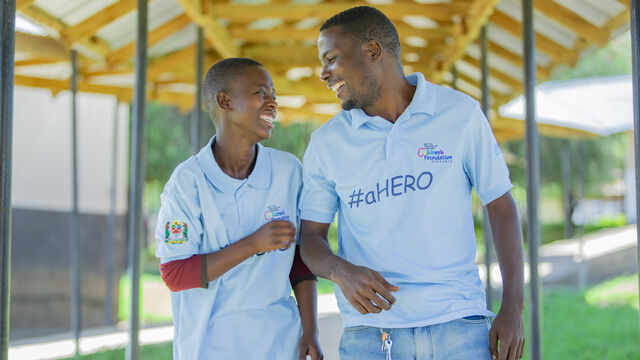
Lusaka—Boniface Phiri was only 19 years old when he became a peer educator at Kafumbwe Rural Health Centre in Katete District, Eastern Province, Zambia. Having become a father at the age of 17, he knows firsthand how a lack of accurate information can shape a young person's future. Today, at 28, he is helping other adolescents, especially boys, make informed choices about their sexual and reproductive health.
"I wish I had all this information I have now when I was younger" he says. "I only started coming to the facility to learn about these things when it was too late."
Across Zambia, adolescent pregnancy remains one of the country's most persistent sexual and reproductive health and rights (SRHR) challenges.
According to the 2024 Zambia Demographic and Health Survey, 28% of girls aged 15–19 have begun childbearing, while modern contraceptive use among female adolescents remains low. Eastern Province, one of the country's highest-burden regions for adolescent pregnancy and related SRHR challenges, has become a priority area for action by the Ministry of Health and its partners and demonstrates how Zambia is translating national adolescent health priorities into action at provincial, district and community levels.
Through the 2gether4SRHR initiative, a joint United Nations regional programme supported by the Government of Sweden and implemented by UNAIDS, UNFPA, UNICEF and WHO in partnership with governments, health facilities in Eastern Province are identifying barriers faced by adolescents and developing practical, locally driven solutions to improve access to sexual and reproductive health services.
Like many of their peers across the country, young people in Eastern Province face barriers to accessing sexual and reproductive health services. Concerns about privacy and confidentiality, fear of judgement and misconceptions surrounding family planning often discourage them from seeking the information and care they need.
Instead of creating new structures, health workers have integrated adolescent sexual and reproductive health into existing quality improvement initiatives. They have identified the barriers affecting adolescents in their own communities and developed practical solutions using locally available resources.
One example of this approach can be seen at Chibolya Health Centre in Katete District, Eastern Province
When health workers at the facility examined why adolescents were not using available services, they identified a simple but important obstacle: many young people did not feel comfortable visiting the clinic. Rather than accepting the situation, the team transformed an unused storage room into a welcoming adolescent-friendly space where adolescents could seek information and services in a safe, private and supportive environment.
"We noticed adolescents avoiding the clinic because they felt uncomfortable. Creating a dedicated space changed everything. Now they come freely to seek information and services" says Mirriam Chisamba, the staff member in charge of Chibolya Health Centre.
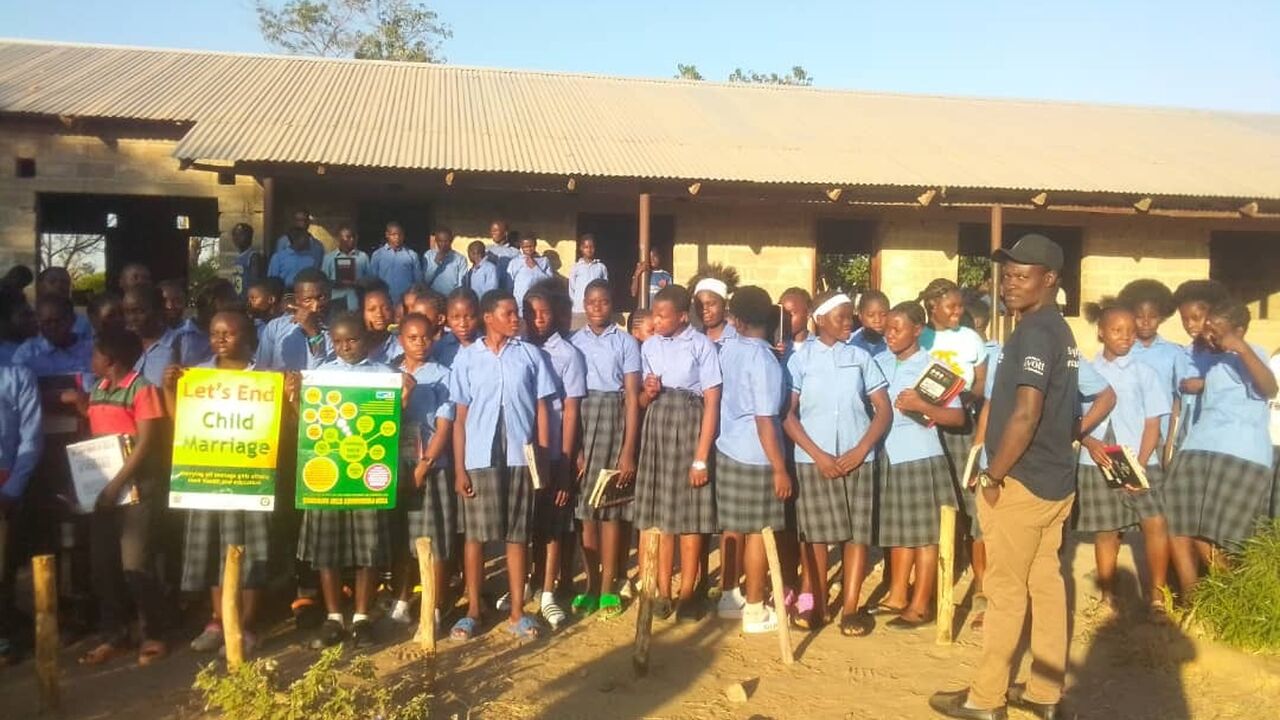
Chibolya is not alone. Across participating health facilities, health workers and communities are finding creative ways to make services more responsive to adolescents' needs. At Kamiza Rural Health Centre in Eastern Province, a community drama group performs at the facility to spark conversations with adolescents and parents about teenage pregnancy after limited resources made outreach performances difficult. At Kafumbwe Rural Health Centre in Katete District, peer educators work with schools and communities to address myths and misconceptions about family planning, encouraging adolescents to seek accurate information and make informed decisions.
To date, nine health facilities in Eastern Province are implementing quality improvement projects focused on adolescent sexual and reproductive health. Through regular mentorship and collaboration between the Ministry of Health, WHO and partners, health workers are strengthening their capacity to identify service delivery gaps, test locally appropriate solutions and embed adolescent-responsive care into routine health services.
“What we are seeing in Eastern Province shows the value of supporting health workers and communities to identify their own barriers and develop solutions that respond to adolescents’ needs. WHO will continue working with the Ministry of Health and partners to strengthen adolescent-responsive services and translate these lessons into better access to quality care.” said Dr Clement Peter Lasuba, the WHO Representative for Zambia.
These experiences demonstrate that improving adolescent sexual and reproductive health does not always require major infrastructure investments. Sometimes, simple community-led solutions, creating a safe space, opening conversations through drama, or empowering young people to educate their peers, can make health services more welcoming and accessible.
For Boniface, the impact is deeply personal. The information he once lacked has become the knowledge he now shares with others. Today, he uses his own experience to help other adolescents, especially boys, access the information he wishes he had received before becoming a father.
His story reflects Zambia's broader efforts to ensure that every young person can access welcoming, respectful and adolescent-responsive sexual and reproductive health services.