Power of Partnerships: Investing in East Africa’s Young People
Stay Informed
Get the latest news delivered to your inbox
Joint statement co-authored by: Lydia Zigomo, UNFPA Regional Director, East and Southern Africa; Etleva Kadilli, UNICEF Regional Director, Eastern and Southern Africa; Dr. Mohamed Yakub Janabi, WHO Regional Director for Africa; and Medhin Tsehau, Deputy-Regional Director, UNAIDS
With the majority of East Africa’s population under 24, young people’s aspirations will shape our collective future. Turning these hopes into reality means translating regional policies and commitments into fully funded, real-world results.
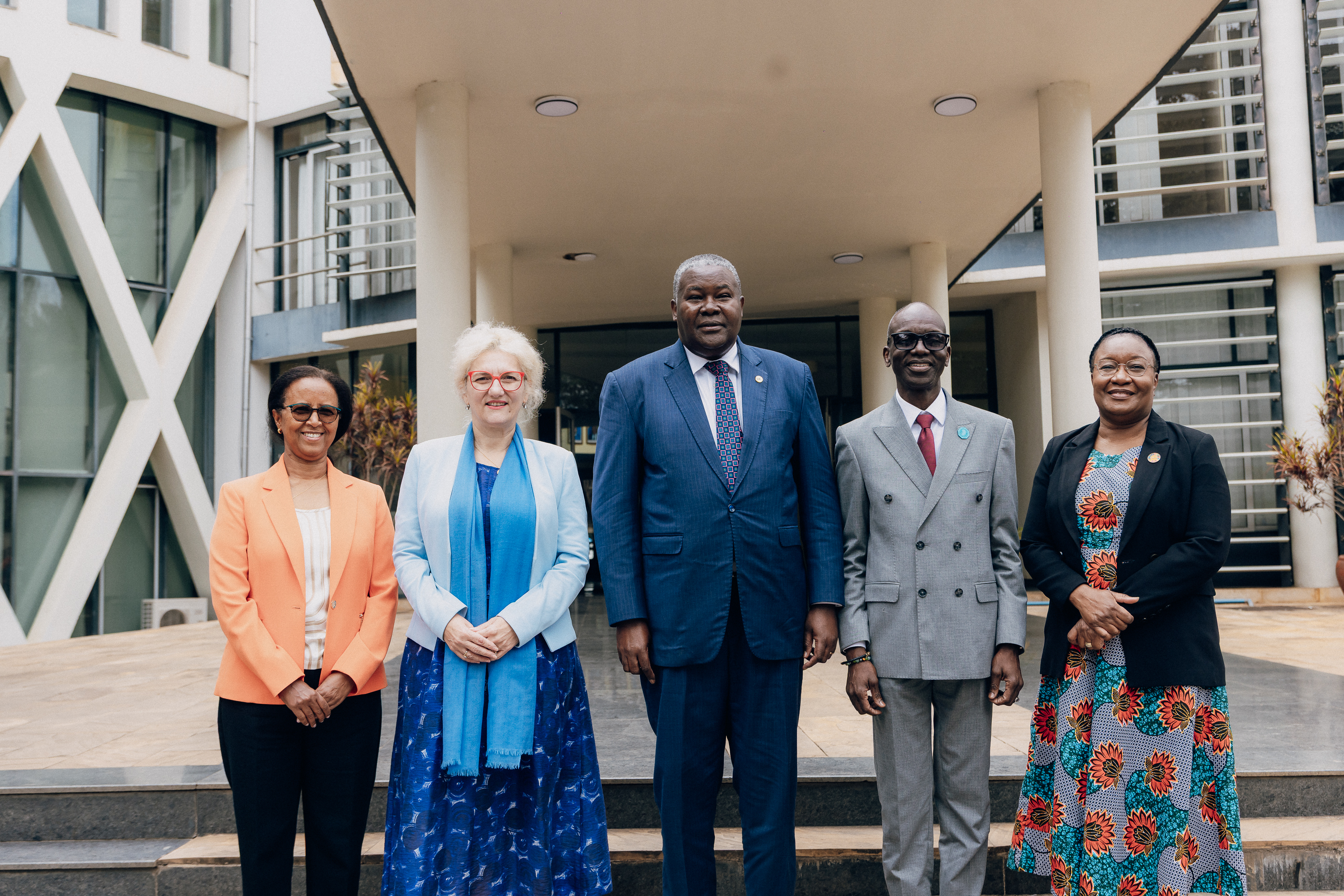
As the Regional Directors of UNFPA, UNICEF and WHO, and Deputy Regional Director of UNAIDS, in September 2026 we concluded a two-day landmark joint mission to Arusha, Tanzania, meeting with the East African Community (EAC) Secretariat, the East African Legislative Assembly (EALA), and civil society organisations (CSOs). Building on decades of collaboration between our four UN agencies and structures of the EAC, including through the 2gether 4 SRHR programme, we have agreed to formalise this partnership to harmonise and advance health and development priorities across all eight Partner States.
In an era of competing priorities, shrinking resources, climate shocks, and humanitarian crises, working together is essential. By pooling our technical expertise, resources, and influence, we can maximise efficiency and achieve high-impact results at scale.
The Human, Social, and Economic Cost
Across the region, adolescent pregnancy, maternal mortality, HIV, gender-based violence (GBV), and harmful practices continue to limit opportunities for millions - particularly adolescent girls and young women. These barriers prevent young people from realising their potential and contributing to the economic prosperity of their families, communities, and region.
The human toll carries a steep economic price. The Cost of Inaction Report reveals that countries like Kenya, Rwanda, and Uganda lose some $1.8 billion yearly by underinvesting in youth sexual and reproductive health and rights (SRHR) and HIV services. Historically, reproductive health, HIV and GBV have faced chronic underfunding across the region. Similarly, as Overseas Development Assistance (ODA) declines, transitioning to sustainable domestic health financing is increasingly urgent - protecting families from catastrophic healthcare costs, while safeguarding gains in child, maternal, and reproductive health, HIV and other services.
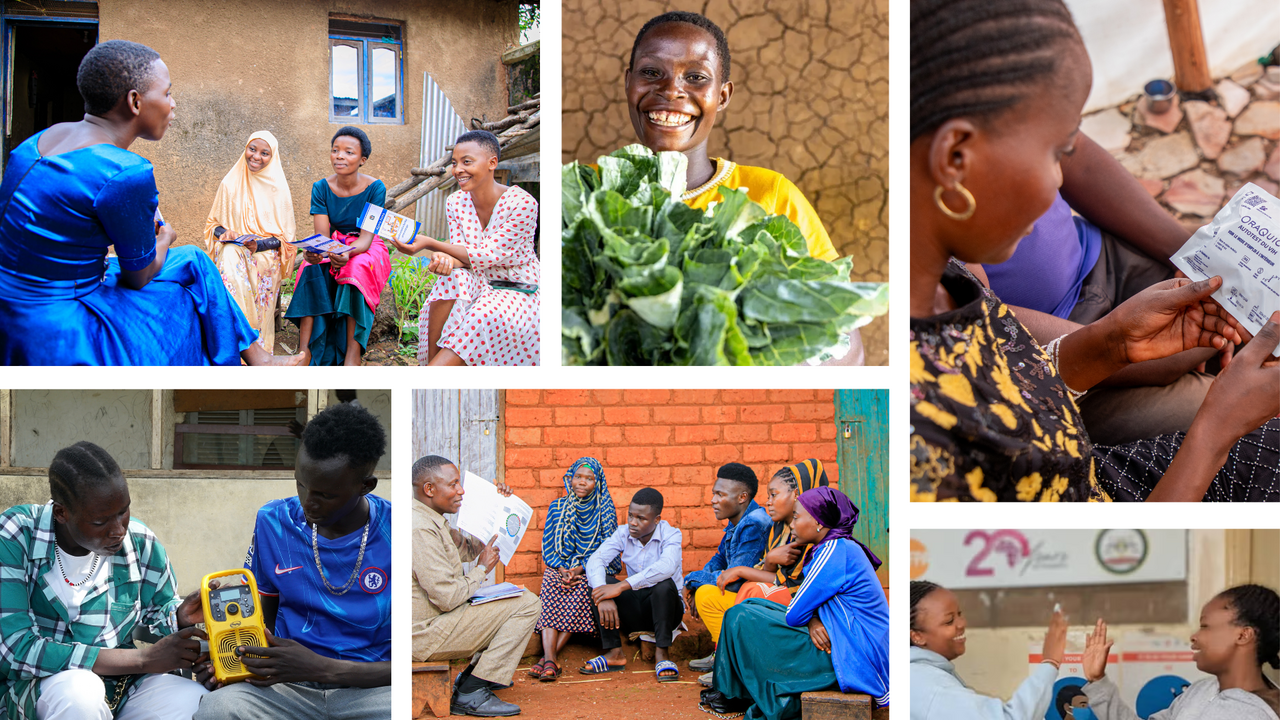
Our discussions in Arusha reinforced a clear mandate: women and young people must be at the heart of development efforts. Civil society plays a vital role in ensuring that policies translate to real-world change, while young people are often the strongest advocates for progress and solutions rooted in their lived experiences.
Recent social listening reports mirror this reality, showing growing demand among youth for stronger agency, decisive action on issues like teenage pregnancy and ending harmful practices. We also see this leadership in action every day: in 18-year-old Bugeny from South Sudan, an active member of her school’s debate, health and poetry club, who uses creative writing to start conversations on child marriage. Or 22-year-old Prossy from eastern Uganda, who bravely stands in front of classrooms and community groups and guides peers living with HIV to stay healthy and positive.
The Way Forward
Building on this momentum, we will establish MoUs with the EAC and EALA to define our collaboration and collective efforts, backed by clear outcomes and regular accountability reviews from EAC and UN leadership. We will support the EAC Secretariat to increase domestic financing for health, drive pooled procurement, expand regional capacity for local manufacturing, and prioritise high-impact interventions that reduce maternal and neonatal mortality, safeguard reproductive health, promote gender equality, and end harmful practices.
We will support EALA to create an enabling environment through the development of evidence and rights-based legislation, strengthening parliamentary oversight of national and regional budgets, in monitoring progress on global, continental, and regional commitments, and through strategic engagements on SRHR issues to ensure that Parliamentarians have the relevant information available for decision-making efforts.
Lastly, we will continue advocating for investments in CSOs and young people so that they meaningfully engage and participate in all processes to help shape East Africa’s future. Our joint mission to Arusha demonstrated the strength of delivering as ‘One UN’. Our imperative now is to turn this coherence into concrete action, measurable progress, and lasting impact for women, girls and young people across East Africa.