Young people lead change for sexual and reproductive health and rights in Rwanda
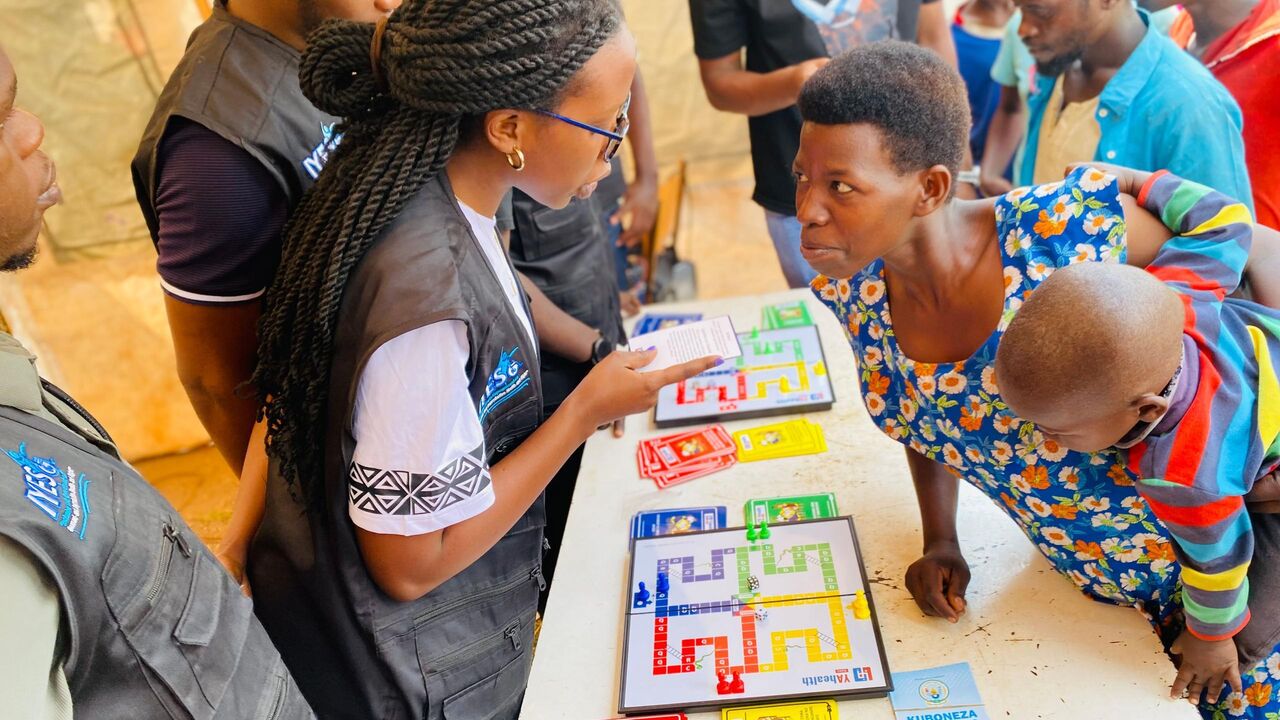
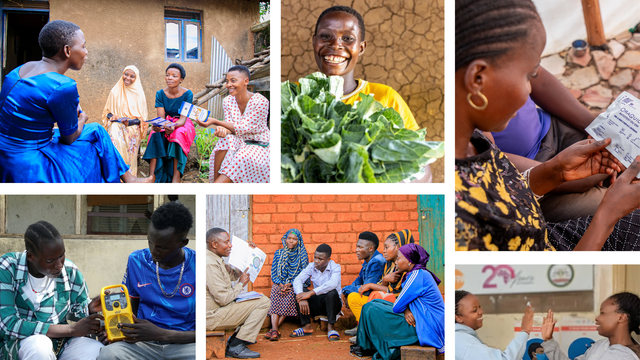
Young volunteers engage community members through interactive educational games as part of the IYES initiative, making sexual and reproductive health education more accessible in Rwanda.
Stay Informed
Get the latest news delivered to your inbox
Kigali – More than 1000 adolescents and young people in Rwanda’s Huye District have gained access to sexual and reproductive health and rights information through an inclusive, youth-led initiative that uses games, storytelling, music and peer education to address stigma and encourage informed health choices.
The Inclusive Youth Empowerment for Sexual and Reproductive Health and Rights initiative, known as IYES, has also connected more than 300 young people with HIV testing and counselling services and distributed over 5000 condoms through schools, markets and youth centres. More than 60 volunteers from the Medical Students Association of Rwanda (MEDSAR) have been trained as peer educators and advocates.
Implemented under the 2gether4SRHR programme, the initiative is helping adolescents and young people, including those living with disabilities, access reliable health information and services in safe and non-judgemental environments.
“I used to feel shy asking questions about sexual health, and I thought sexual and reproductive health services were only for adults” says Marie Solange, a 17-year-old student from Gatagara in Huye District. “The youth volunteers explained everything in a way that made sense. The games helped us learn without feeling judged. For the first time, I felt like my voice mattered.”
For many adolescents and young people in Rwanda, stigma, cultural taboos and limited opportunities for open discussion can make it difficult to obtain accurate information about sexual and reproductive health. Young people living with disabilities may face additional barriers, including a lack of accessible information and limited participation in health education programmes.
IYES is addressing these challenges by placing young people at the centre of health education and community outreach. MEDSAR volunteers provide information and link adolescents and young people to services in schools, youth centres and communities.
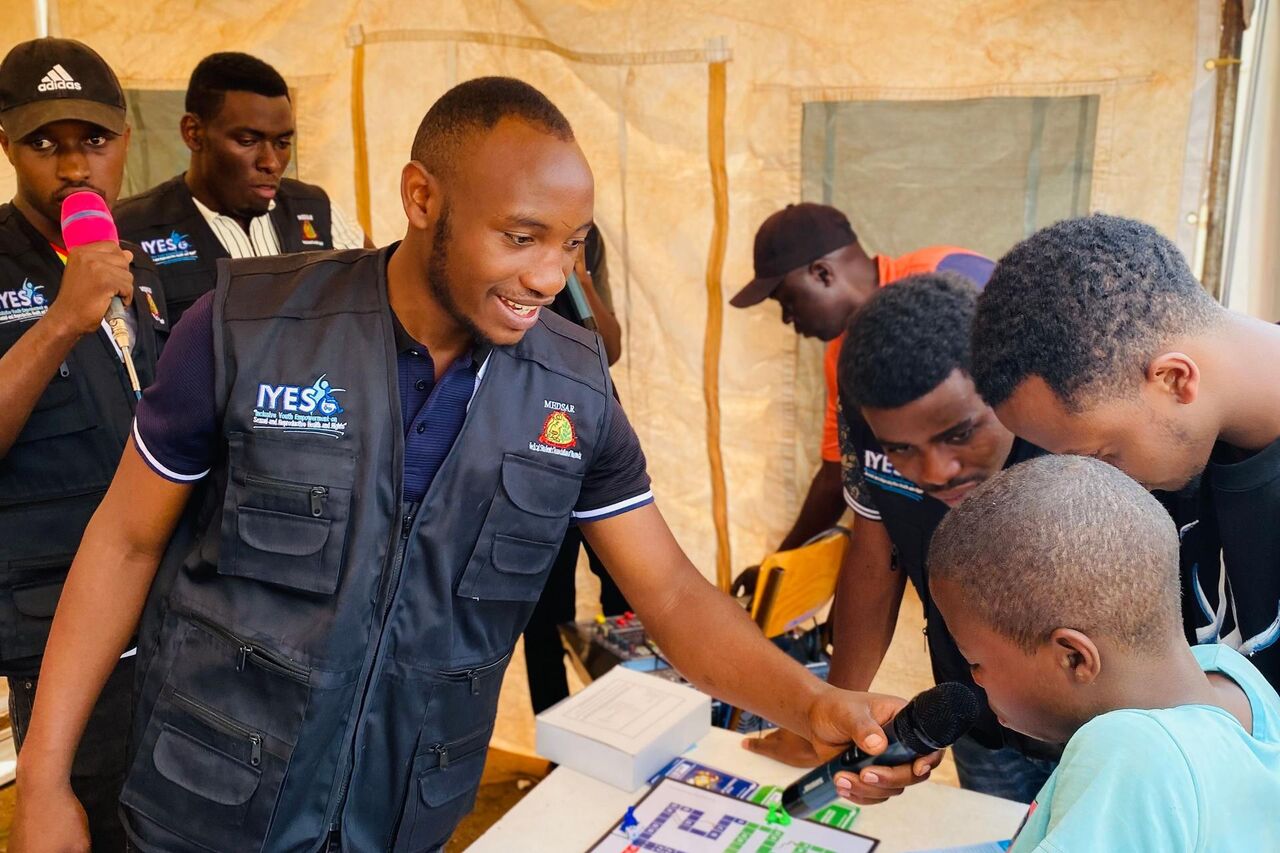
Rather than relying only on conventional health education sessions, the volunteers use board games, storytelling, music, dance, competitions and peer discussions to explore topics such as puberty, HIV prevention, contraception, healthy relationships and gender-based violence.
Interactive tools, including the RUDO-SRH Game and Ishema Ryanjye Cards, enable participants to discuss sensitive issues, challenge misconceptions and learn where to obtain youth-friendly services.
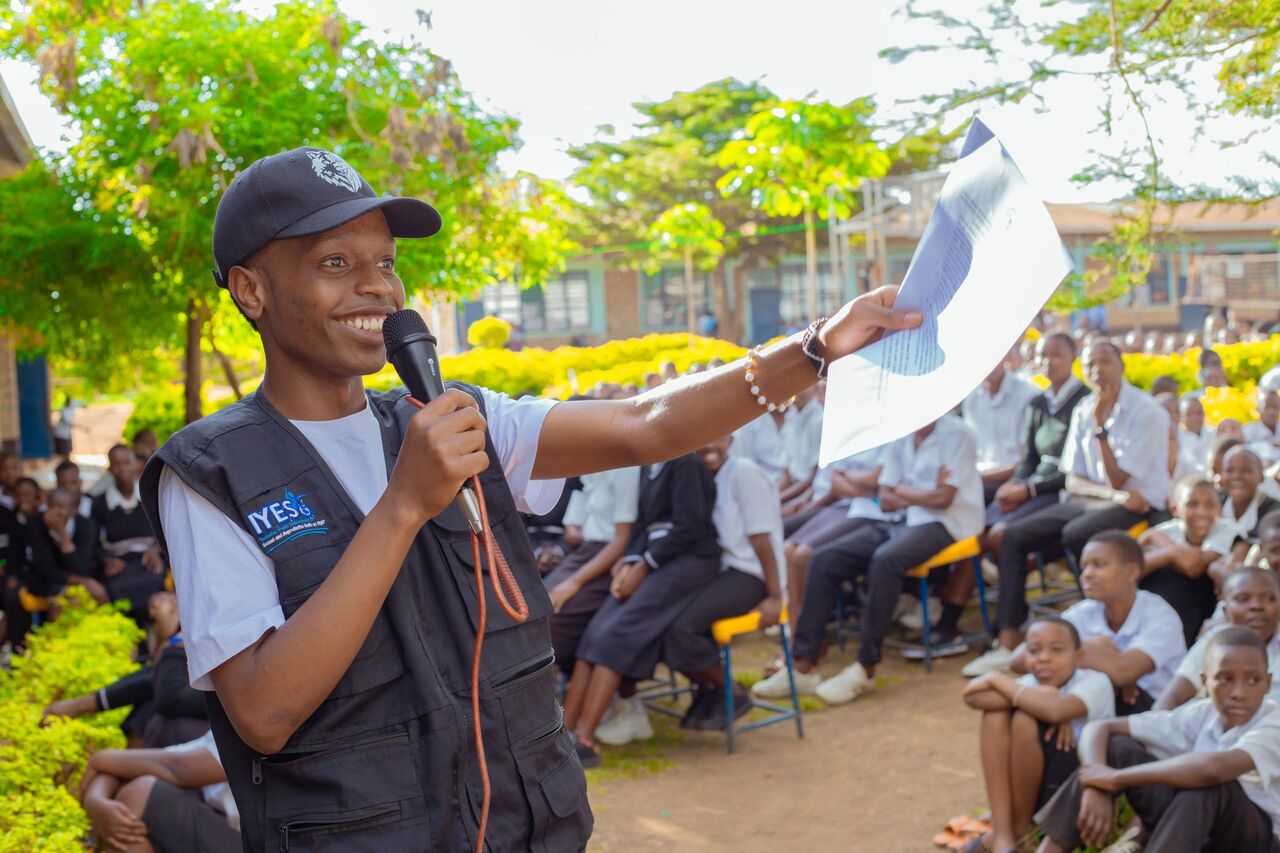
A central feature of the initiative is its focus on inclusion. Working with schools and community partners, including Home de la Vierge des Pauvres Gatagara, IYES has made deliberate efforts to reach young people with visual and physical disabilities.
“Sometimes people think young people with disabilities do not need this information. But we also have questions. We also need to know how to protect ourselves” says Jean Claude, an 18-year-old student at HVP Gatagara. “I was happy because the volunteers included us and explained things clearly.”
The sessions are also helping participants address common myths and make more informed decisions. Ishimwe Parfaite, a 16-year-old student at Nkubi Secondary School, says learning that pregnancy can occur following sexual intercourse during menstruation, depending on the timing of ovulation, helped settle a long-standing debate among her classmates.
Beyond providing information, IYES is strengthening links between communities and health facilities. Outreach activities are coordinated with health service schedules so that young people can access HIV testing, counselling and other preventive services.
“The work of IYES helped us match community mobilization with our screening calendar for HIV, hepatitis and other preventive services” says Vestine Yambabariye, who is responsible for services at Huye Health Centre. “Their youth-led approach helped bring people closer to testing and counselling services, especially young people who may not normally come to the health centre on their own.”
Volunteers say one of the most visible changes has been the growing confidence among participants to discuss their health, seek services and share information with their peers.
“What changed most was not only the number of young people reached, but the confidence they gained” says Delice, an IYES volunteer. “At the beginning, many participants were shy and afraid to ask questions. By the end of the sessions, they were raising their hands, asking for services and encouraging their friends to learn more. That showed us that youth-led education can break stigma.”
The 2gether4SRHR programme is a joint United Nations regional initiative supported by the Government of Sweden and implemented by UNAIDS, UNFPA, UNICEF and WHO. It aims to improve sexual and reproductive health and rights in Eastern and Southern Africa.
Through the programme, IYES brings together young people, schools, health facilities, community organizations, local authorities and technical partners to help adolescents exercise their rights and obtain the information and services they need.
As Rwanda continues to strengthen adolescent and youth health, the experience in Huye District demonstrates how inclusive, youth-led education can challenge stigma, improve links to services and reach young people who are too often left behind.