Safer, Healthier Communities: the Youth-led Shift in South Sudan

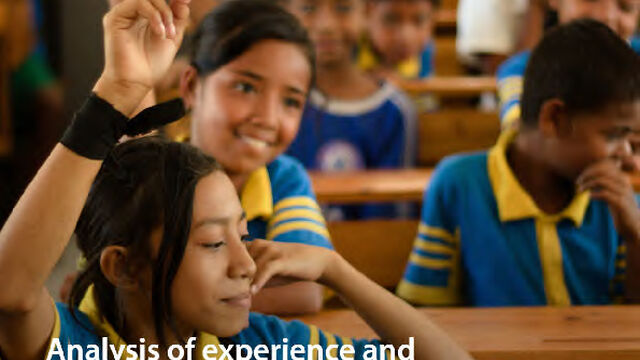
Photo: UNFPA/2gether 4 SRHR/Peter Louis
Stay Informed
Get the latest news delivered to your inbox
Once impacted by stigma, harmful practices, and under-resourced health and protection services, communities in the heart of South Sudan’s Upper Nile region are experiencing a shift, led by committed health workers, educators, and young people who are determined to build safer and healthier futures.
One person tackling the double challenge of gender-based violence and low up-take of services is Dr. Ayuel Deng Akuei, County Medical Director in Renk County. “When I started, forced marriages and gender-based violence (GBV) cases were high. Survivors often suffered in silence because there was no support system. But now, there is a reduction in these cases because of awareness that’s being passed to the community,” he shares.
Stronger partnerships for safer communities
That awareness did not happen in isolation. Dr. Ayuel credits the progress to a growing collaboration among healthcare workers, police officers, traditional leaders and others, who jointly established and strengthened mechanisms to support survivors, report cases, and create safer environments, particularly for women and girls.
“There is a very good relationship between us in the health sector and with the police and traditional leaders when it comes to GBV case management,” explains Dr. Ayuel. “People are more willing to speak out, and there’s more accountability.”
As part of this work, national organizations are playing a crucial role in GBV case management. “These are issues that mostly affect young people, and it's inspiring to see youth leading the response,” highlights Dr. Ayuel.
Changing attitudes toward HIV
Further north in the Upper Nile State, awareness on issues like HIV prevention is also gaining momentum. Joseph Obwongo Deng, the State Director for the HIV and AIDS Commission, sees a shift in attitudes, particularly among young men and women who are now more informed and willing to engage in preventative measures. More adults, he highlights, are now asking for condoms; a practice that was unheard of a few years ago.
Improved community awareness on SRHR and the increase in access to integrated services are crucial, particularly in a country context where family planning uptake is low, with a contraceptive prevalence rate of 7.4% for all women. Nearly one in three women in the country who want to avoid pregnancy are not using any form of contraception - though change is taking place.
Advancing sexual and reproductive health and rights for all
Increased efforts to address gender-based violence, increase availability and utilization of integrated SRHR services, including HIV treatment and prevention, are supported by 2gether 4 SRHR, a joint United Nations Regional programme, in partnership with the Government of Sweden.
“The joint programme has helped us address stigma and improve access to services,” says Joseph. “It’s not just about giving out condoms. It’s about education, rights, and ensuring that people have access to the services they need, even during crises.”
In 2024 alone, the programme reached hundreds of young people nationwide through arts and storytelling with information regarding HIV prevention, early and unintended pregnancy, menstrual health management, stigma and discrimination, and the importance of practicing safe sex.
"The joint programme has helped us address stigma and improve access to services. It’s not just about giving out condoms. It’s about education, rights, and ensuring that people have access to the services they need, even during crises."
Youth advocate, Ayak (19), recalls a time when girls were not informed about their rights or bodily autonomy, being told to stay quiet. She then received training through 2gether 4 SRHR to become a youth health ambassador, and is now leading discussions with her peers - and even siblings and parents - about menstrual hygiene, reproductive rights and gender-based violence.
Through Ayak’s advocacy, more girls in her community have begun to use sanitary pads, access health clinics, and stay in school.
For her, the programme is not just about health, it’s about empowerment.
Creating lasting change
Across Renk and Malakal, a common thread is emerging: local ownership of change.
“We still have challenges, but we have something more powerful than resources,” says Dr. Ayuel. “We have commitment. And when communities work together, health workers, teachers, youth, police, and elders, change is possible.”