
Stay Informed
Get the latest news delivered to your inbox
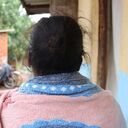
Leaving No One Behind : Advancing Sexual and Reproductive Health and Rights for Intersex Persons in East and Southern Africa.

“I was born intersex but raised as a female,” said Kude Mawira, Director of the Intersex Community, Zimbabwe. “As I entered adolescence, I faced the challenges of the surgery that was performed on me. It was the doctors’ decision, and maybe my parents’,” Kude Mawira went on. “The surgery was not successful because they tried to make me fit into two boxes, male or female. But it did not take away the fact that I am an intersex person.”
For many intersex people across East and Southern Africa, experiences like Kude’s are not isolated. Accessing sexual and reproductive care services often means navigating stigma, whether openly expressed or quietly implied, encountering healthcare providers who lack the knowledge to offer appropriate care, and moving through health systems built around a binary understanding of the body as male or female.
Intersex people are born with variations in sex characteristics, such as chromosomes, hormones or reproductive anatomy, that do not fit conventional definitions of male or female bodies. As it stands, there are over 30 formally recognised intersex variations. Their sexual and reproductive health needs span their entire life, yet they remain largely invisible in health policies, research and service delivery across the region. The absence of specific HIV and SRHR guidelines for adolescent and adult intersex people compounds these challenges, leaving significant gaps in the care they receive.
A scoping review by the 2gether4SRHR programme, in collaboration with African Intersex Movement (AIM), shows how deep the gaps go. Many national policies overlook intersex people or use pathologising language at odds with a human rights-based approach. Research remains limited and uneven. The review raised particular concern about non-consensual, irreversible medical interventions on intersex children, which can have lasting implications for bodily autonomy, wellbeing and sexual and mental health.
“When my body started changing, I was taken to a hospital by my parents. I had a surgery, a clitoralplasty. And I think that surgery shouldn’t have been done, because it was done without my consent,” said Aikutey Janet, Founder, Intersex Persons Society of Ghana.
For intersex communities, addressing these challenges requires improving healthcare providers’ knowledge and changing how health systems understand and respond to intersex people, ensuring that care is grounded in dignity, informed decision-making and respect for bodily autonomy.
These priorities were central to a regional consultation bringing together intersex-led organisations and UN agencies. Participants called for an end to pathologising approaches and non-consensual medical practices, stronger health system capacity, and the integration of intersex needs into essential services. They also emphasised legal reform, accountability for rights violations, community-led research and data ownership, and inclusive sexual education. Above all, they stressed that intersex people must have a meaningful role in decisions affecting their lives
To turn these priorities into action, the 2gether4SRHR programme and AIM are developing regional SRHR guidelines for intersex persons, shaped by the experiences and priorities of intersex communities ..
The draft guidelines were introduced at the inaugural African Intersex Movement Conference, held from 30 September to 2 October 2026, Nairobi Kenya. The conference brought African intersex voices, research, policy and human rights advocacy to the centre of the regional dialogue.
“Accessing sexual and reproductive health services is not just about going to the doctor, it is about human rights, but it is also about accessing services in a dignified manner. That is why having guidelines matter,” said Aikutey Janet.
A review workshop followed on 3 October, organised by AIM, UNAIDS and UNFPA, in collaboration with UNDP and OHCHR. Around 55 participants, including intersex organisations, healthcare providers, policymakers and human rights experts, reviewed the draft, contributed evidence and shared lessons and promising practices from across the continent.
For Obioma Chukwuike, Board Chair of the African Intersex Movement, the guidelines represent an important step towards addressing a longstanding gap.
“The guidelines are going to be the first of its kind because I have not seen any document that specifically draws attention to the needs and issues of Intersex people around sexual and reproductive health and rights,s” said Chukwuike. “These guidelines help stakeholders, especially the healthcare providers, to understand how care can look like for Intersex people.”
While the guidelines are still being finalised, the process already outlines what needs to change. An SRHR response in which intersex people are recognised, respected, and able to exercise their rights.
For people like Kude, Aikutey and Obioma, this change matters. It is about ensuring that future generations of intersex people can access healthcare without stigma, make informed decisions about their bodies and receive the dignity and respect they deserve.
Related Content
Menstrual Health and Disability: Guidance note for practitioners
This guidance note supports menstrual health practitioners in designing and implementing inclusive interventions tailored to...
SRHR Resource: Package for Traditional Leaders/Dikgosi in Botswana
This Resource Package was developed for Traditional Leaders/Dikgosi to support them with key messages to...
Stories of Change from the #WeBelongAfrica Programme
This collection of “stories of change” celebrates progress and persistence. It highlights community leadership, courageous...
Reaching Key Population Groups with Sexual and Reproductive Health Services
This human-interest piece tells the story of James, a gay man living with HIV who...