“Life Goes On”: How Nonjabulo and Samkelo Are Redefining What Comes Next
Stay Informed
Get the latest news delivered to your inbox
Fear at the Beginning
When Nonjabulo discovered she was pregnant, fear was immediate. “I was terrified to tell them at home,” she says. “I thought they would chase me away.”
For months, she kept the news to herself, unsure how her family would react. When they eventually found out, the response was difficult. “My mother wouldn’t talk to me.”
Although she knew about contraception, gaps in access had changed her path. “I was using prevention pills… but that day they were not available, and I became pregnant.” The uncertainty left her feeling alone and unsure what came next.
She delayed seeking care, not knowing where she would find support. Eventually she visited the clinic and was connected to Samkelo, a young mentor who understood. “She supported me and taught me everything I needed to know,” Nonjabulo recalls.
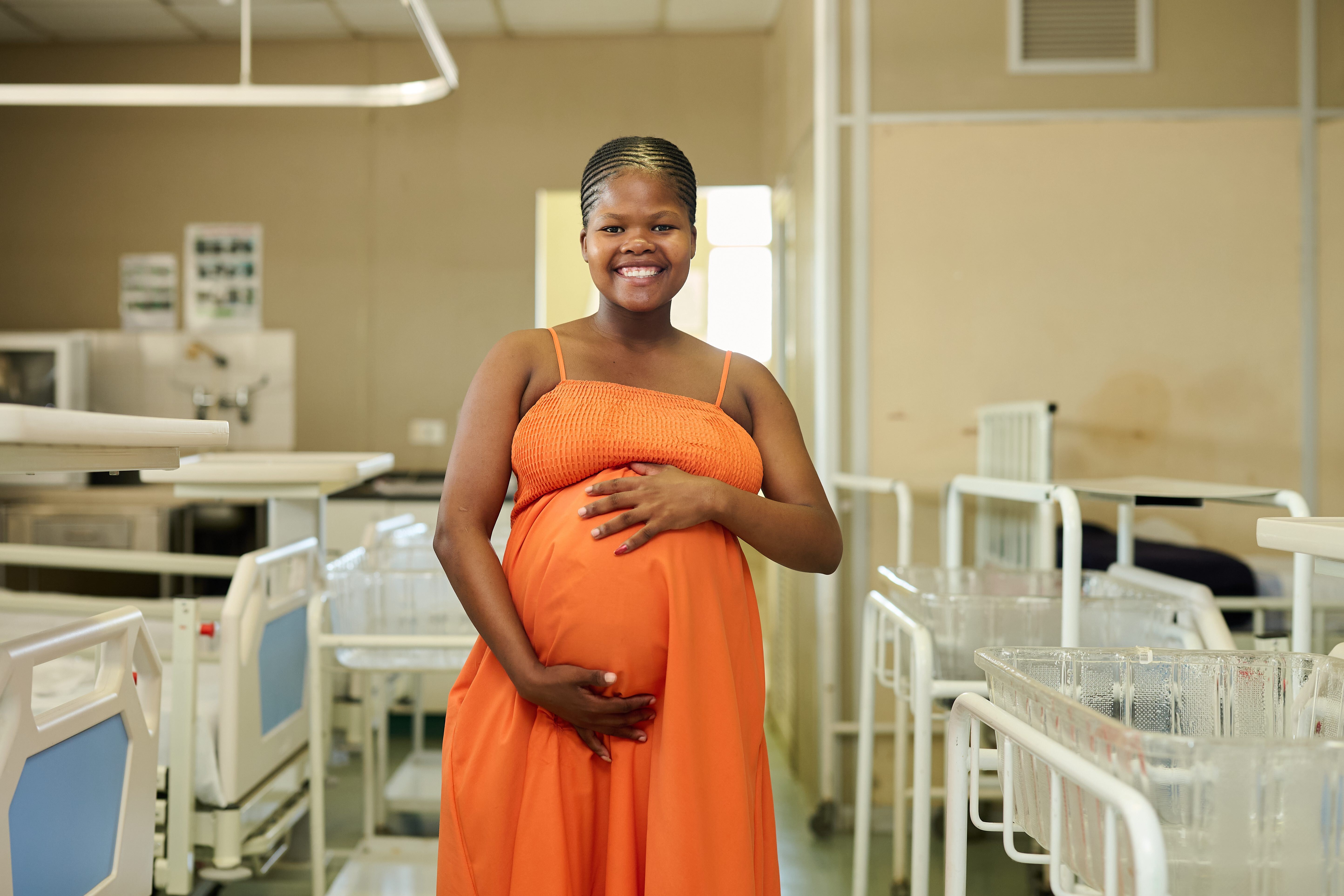
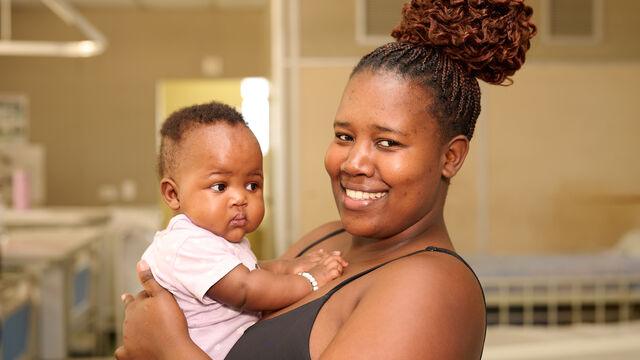
Caption: Nonjabulo, 23, attends ANC at Sundumbili Community Health Centre. Credit: UNICEF/Ngcobo/2026
Finding Someone Who Understands
For the first time, she felt safe sharing her fears. “She is easy to talk to… she doesn’t judge. She is like a sister to me.” Unlike interactions she had experienced before, this connection felt different. “Sometimes you feel afraid to say certain things. With her, I can open up completely.”
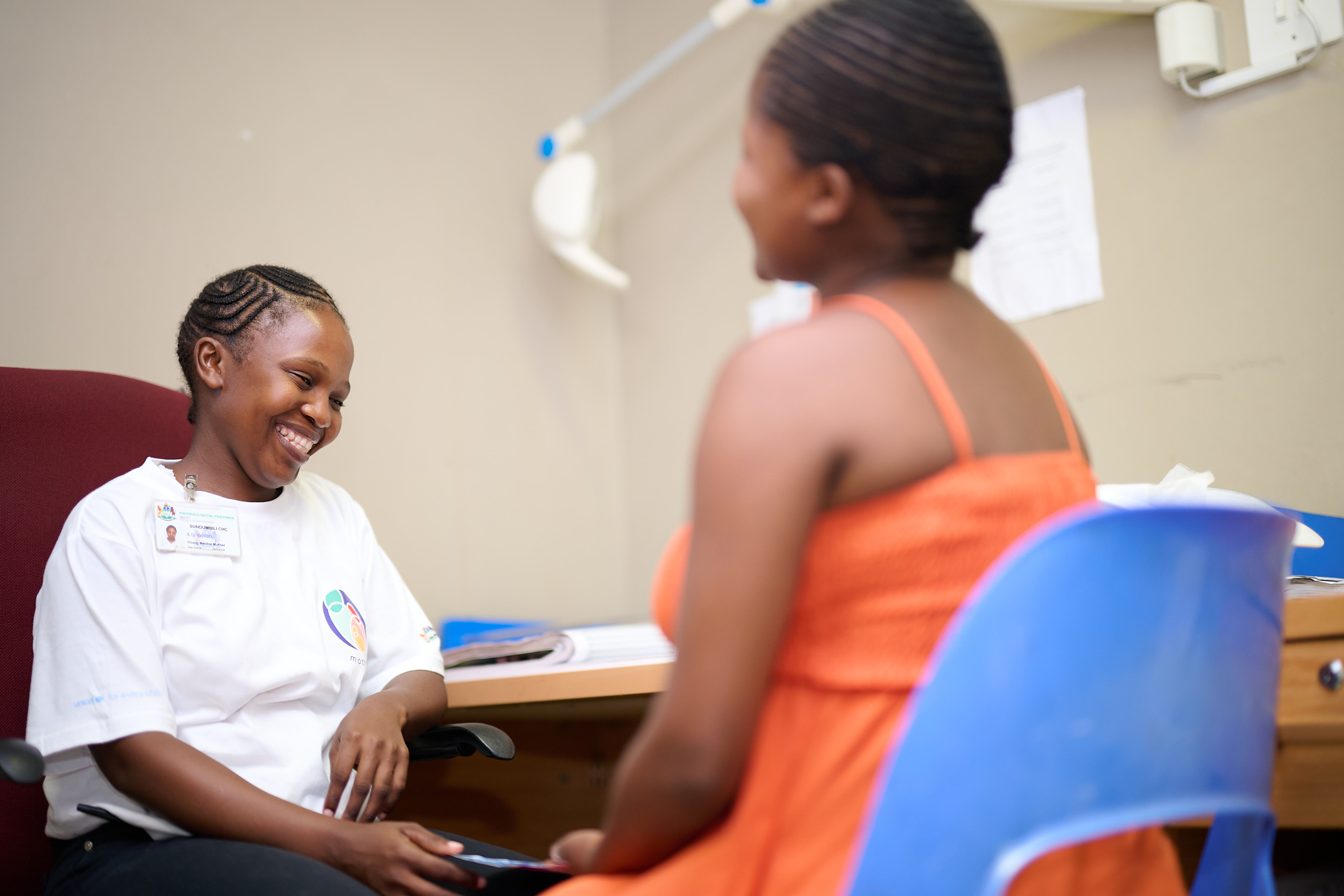
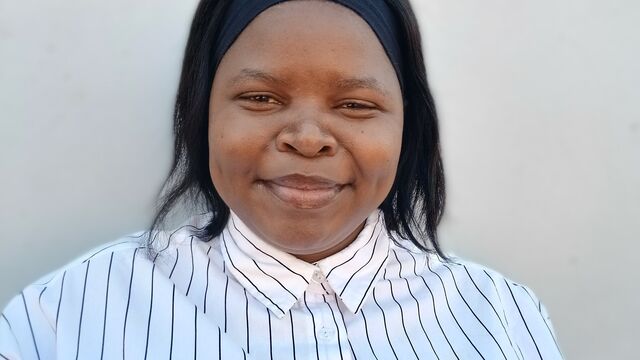
Samkelo, a Young Mentor Mother and Nonjabulo, a young mother-to-be, at Sundumbili Community Health Centre. Credit: UNICEF/Ngcobo/2026
“This Is Not the End”
At one point, Nonjabulo had given up hope. “I had told myself it was completely over for me.” But Samkelo helped her see things differently. “She told me that this is not the end - life goes on.” That message became a turning point.
“What I wanted to become… I can still achieve it,” Nonjabulo says. Today, she has a new ambition. “I want to be a nurse… I will keep pushing forward.”
Protecting Health and the Next Generation
Samkelo’s guidance is grounded in her own experience. Born HIV-positive, she understands the challenges first-hand. “I know the pain of growing up like that,” she says. That insight shapes how she supports others. “I help them take their medication properly… and understand how to protect themselves.”
She also works with young mothers to prevent new infections. “While you are negative, keep yourself negative… and make sure your baby is born HIV-free.” Through conversations about PrEP, treatment and adherence to lifesaving anti-retroviral medicine, she helps young women make informed decisions for themselves and their children.
A Different Path Forward
With support, Nonjabulo’s outlook has shifted. “It is no longer as terrifying as before,” she says. She now encourages others in her community to seek care. “I tell them… come to the clinic. There are people who will help you.”
And within her own family, change is beginning. “They said I can go back to school next year,” she explains. The future she once thought was gone is now within reach.
Transforming Lives, Including Their Own
For Samkelo, becoming a Young Mentor Mother has also opened new possibilities. “I have already taken the first step toward my dream of working in a laboratory,” she says. Through her role, she has developed confidence, skills and a career pathway, while supporting others. “What motivates me is seeing change,” she explains. “When someone sees that life can continue, that is everything.”
Together, they are showing that even in the face of fear and uncertainty, the right support can change the direction of a life.
Balancing Motherhood and the Future
Becoming a mother at a young age often disrupts education and plans. “Your dreams are put on hold,” says Nolwazi. But with right support, those dreams are not lost. “I want to do online learning… I still want to move forward,” she says.
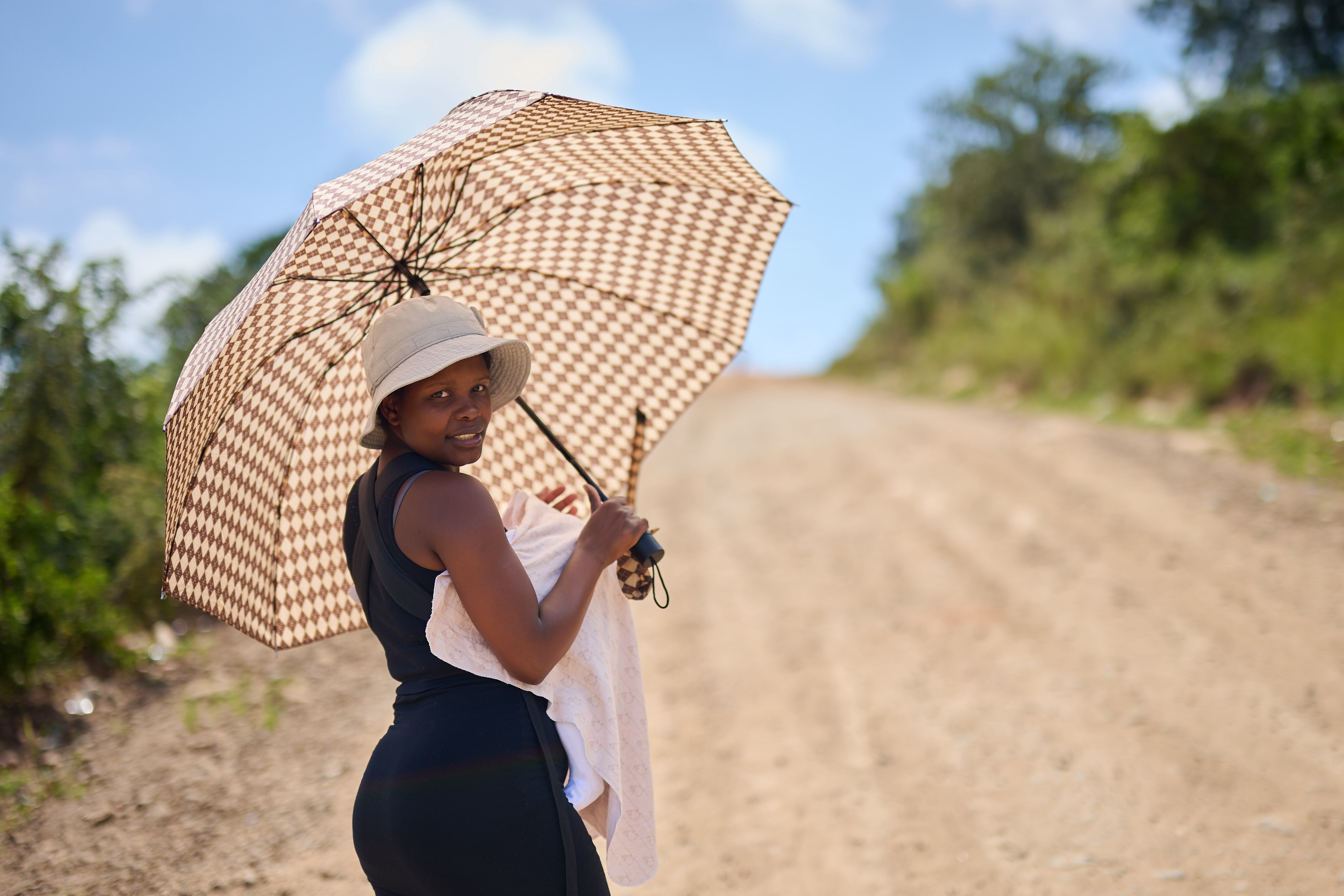
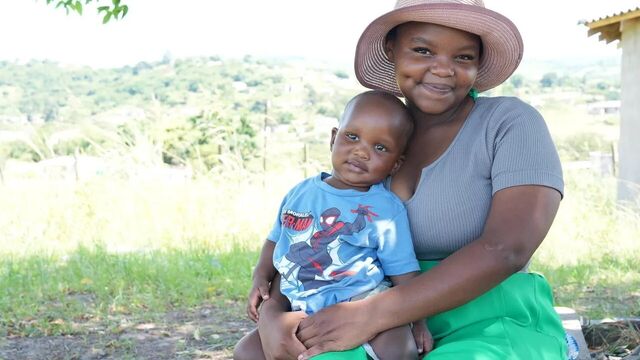
Nolwazi, 24, a young mother in Kwa Zulu Natal. Credit: UNICEF/Ngcobo/2026
A Bridge Between Young Mothers and Health Services
UNICEF partner, mothers2mothers, has trained and embedded Young Mentor Mothers in clinics, creating a critical link between adolescents and health systems. The success of peer mentorship lies in trust. They understand the challenges… and walk with them through the journey,” says Senzo Cele, Maternity Operational Manager at Sundumbili Community Health Centre.
Because they are peers, they reduce fear. “Teenagers are more comfortable speaking to someone their age,” he says. This has led to increased antenatal care attendance, better adherence to treatment and greater uptake of prevention services like PrEP. It creates a bridge between young people and health services, ensuring no one is left behind.
A Model That Works - and Must Grow
Across Eastern and Southern Africa, adolescent girls continue to face high rates of early pregnancy, HIV and gender-based violence. UNICEF funded peer-support programmes are changing that reality - connecting girls to care, building confidence, and strengthening futures. They are also delivering measurable results.
“We reduced mother-to-child HIV transmission to below 0.3%,” explains Pinky Phungula from the KZN Department of Health. But the need remains urgent. “These programmes must be integrated and sustained within national systems,” she says.
As countries scale these programmes, they are not only improving health outcomes, but building a generation of confident, skilled young women who can contribute to their communities and economies.
The Young Mentor Mother program is a partnership between UNICEF and the Department of Health implemented in Gauteng, KwaZulu-Natal, Limpopo and Eastern Cape. The high impact model is now being scaled up to reach more young women across the country and in other countries in the region.