Sbongakonke and Andile’s Journey: “She Brought Back My Confidence”
Stay Informed
Get the latest news delivered to your inbox
When Sbongakonke found out she was pregnant, everything changed. “I felt disappointed, hurt and full of regret,” she says. In her community, she had been known for carrying herself with pride. Now, the news spread quickly and not always kindly.
“People started treating me differently. My friends didn’t want to be seen with me. Some gossiped, others said things to my face,” she remembers. The pressure became overwhelming. She stayed inside, afraid to face people. She was scared to visit the clinic. “I only came when I was six months along… I was terrified of going outside and facing what people would say.”
Fear, Shame, and Silence
At home, things were no easier. “My mother is still angry… she does not support my baby at all.” For a long time, it felt like her future was slipping away. “I felt like my dreams were shattering.”
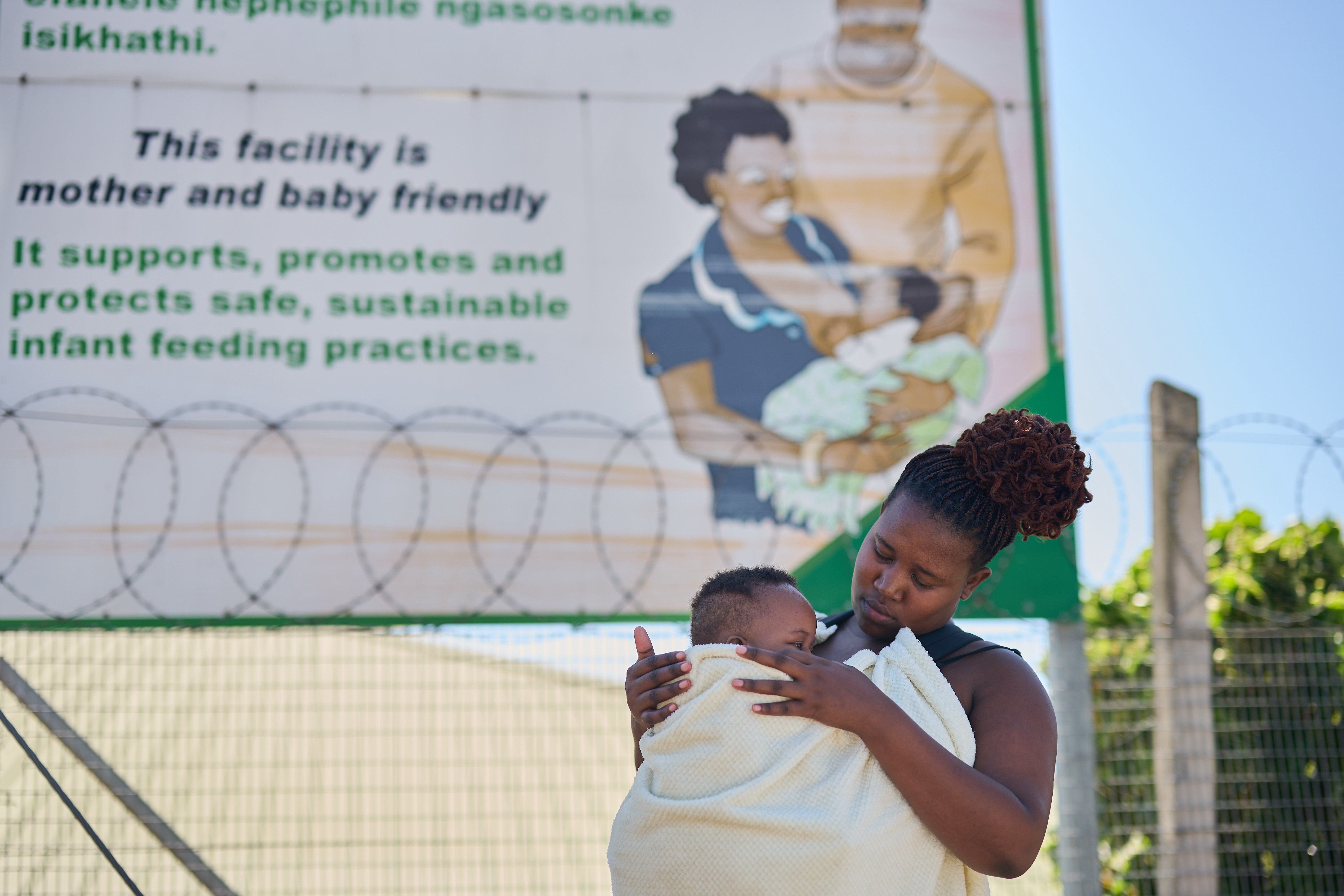
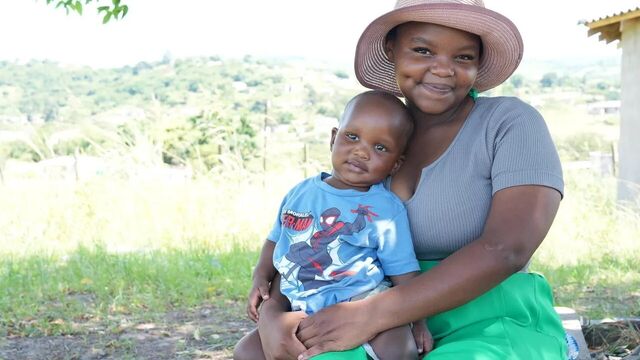
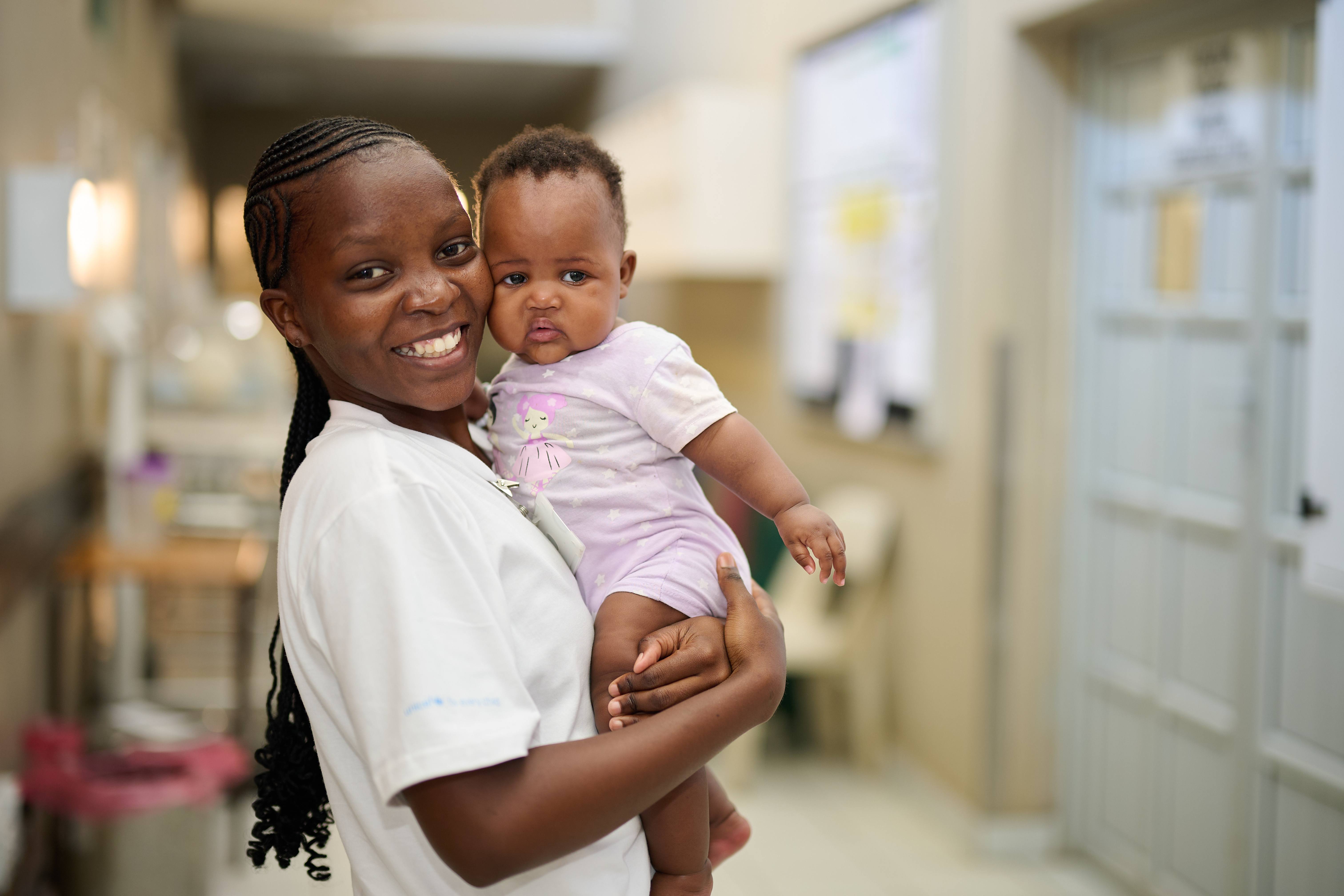
Sbongakonke with her baby outside Sundumbili Community Health Centre, Kwa Zulu Natal, South Africa. Credit: UNICEF/Ngcobo/2026
“I Thought My Life Was Over - But It Wasn’t. She Gave Me Hope”
Everything began to change when she met Andile, a Young Mentor Mother, trained by UNICEF’s partner mothers2mothers. “When I met Sbonga, she had lost hope,” Andile says. The connection was immediate and rooted in shared experience.
Andile herself had discovered she was pregnant just after starting university. “I’m in this new city where I never thought I’d be, the first in my family to make it to varsity… I didn’t notice I’d missed my period”. At first, the reality was overwhelming. “Who is going to take care of the baby? Will I go back to school?” But motherhood changed her perspective. “My baby… he makes me stand strong. I love being a mother.”
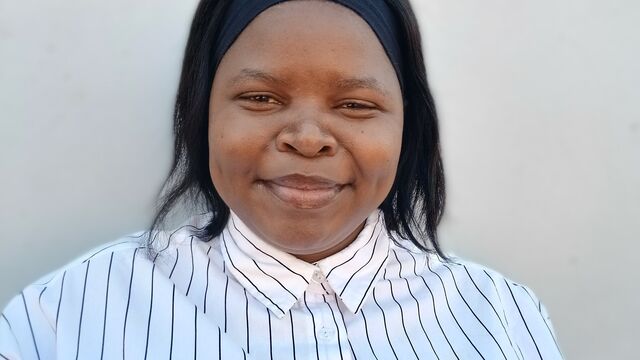
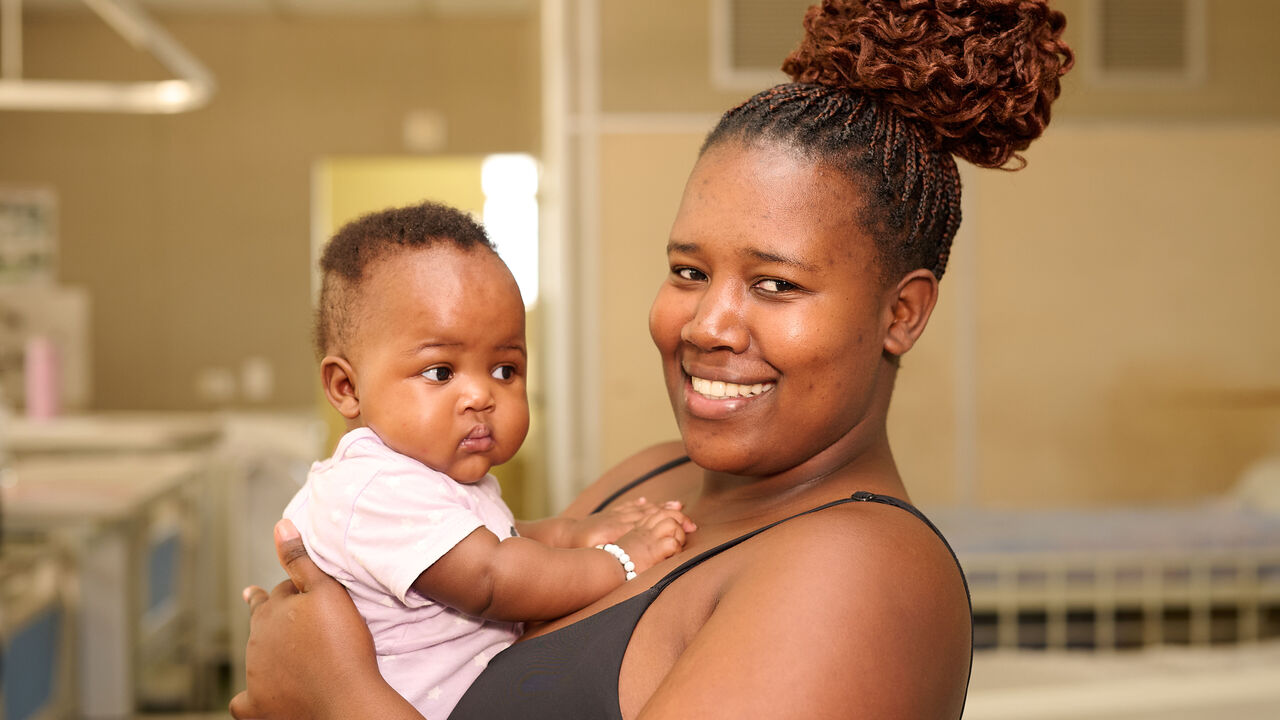
Andile, a young mentor mother at Sundumbili Community Health Centre, Kwa Zulu Natal, South Africa with the child of her mentee Sbonga. Credit: UNICEF/Ngcobo/2026
Through the mentor programme, Andile also found her voice. “Before being a Young Mentor Mother, I was not brave… now I am able to speak,” she says.
For Sbongakonke, that support was life-changing. “She gave me hope… she made me see that my future is not dead.”
Rebuilding Confidence
With Andile’s support, Sbongakonke slowly started to rebuild her confidence. “The benefit of her being my peer is that I can talk to her about everything,” she says. The absence of judgement made all the difference. “If she were older, I would be afraid to share personal things.”
Over time, the change became visible - not just to her, but to Andile too. “She is now able to go outside… she is able to talk,” Andile says. Even as stigma continues, Sbongakonke feels stronger. “People still talk… but I don’t focus on it anymore.”
Protecting Her Future
UNICEF partner mothers2mothers has trained and embedded Young Mentor Mothers in clinics, creating a critical link between adolescents and health systems. Through peer support, Sbongakonke learned how to protect herself and her child. “When she explained PrEP, she told me it helps protect you and the baby,” she says. She also learned about family planning, and the importance of making choices that allow her to continue pursuing her ambitions. “I still have dreams… I need to protect my future.”
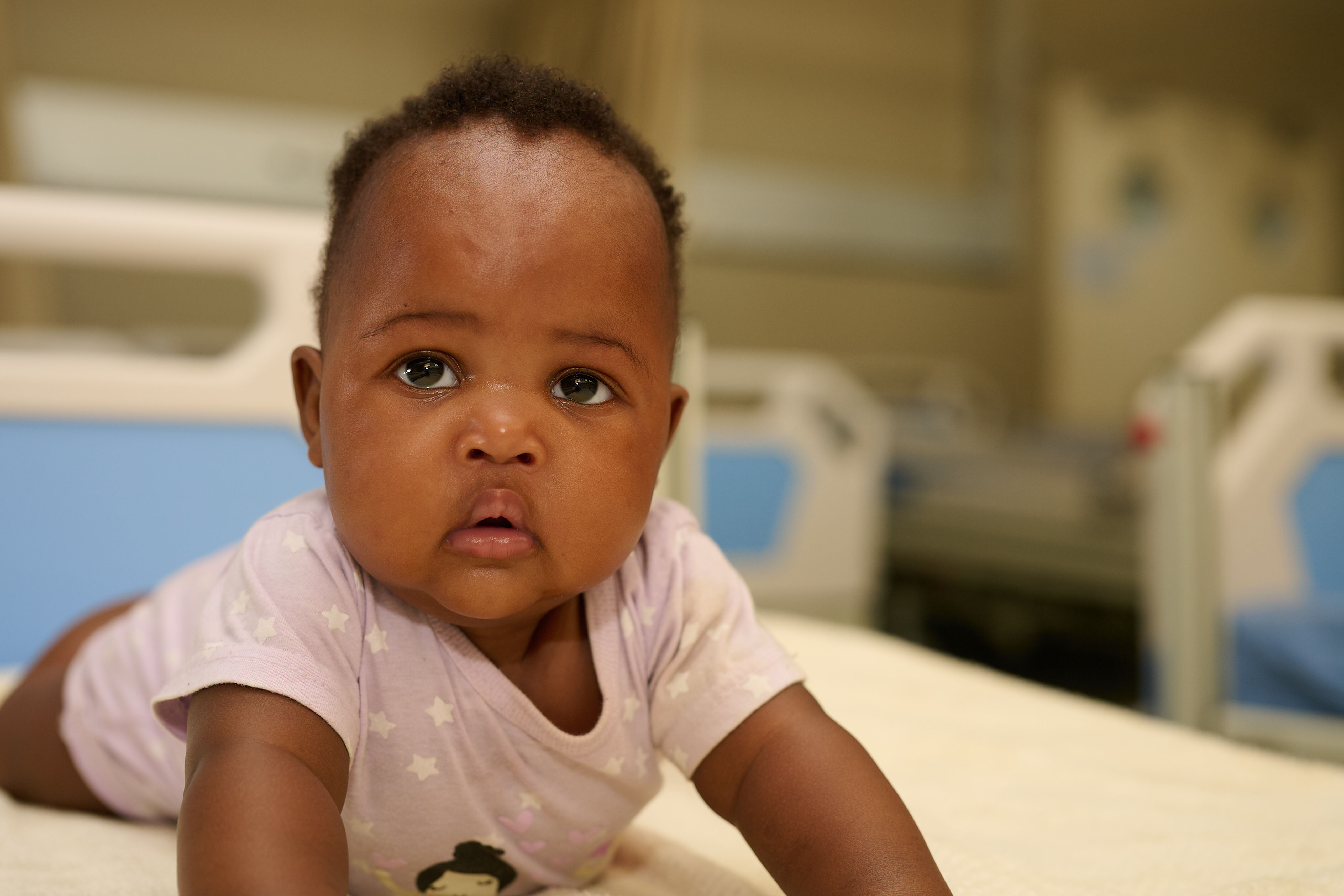
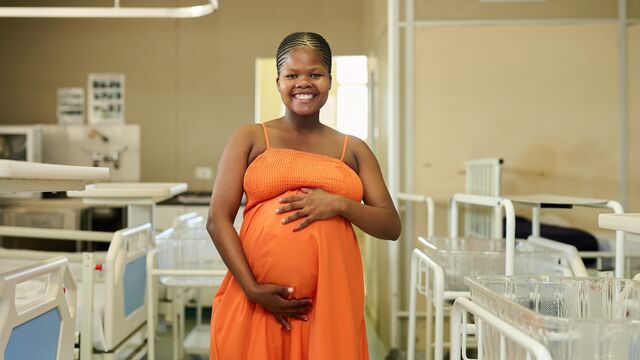
Credit: UNICEF/Ngcobo/2026
Growing as Leaders
For Andile, the journey has also been transformative. “As a Young Mentor Mother, I provide health education and psychosocial support,” she explains. Through her work, she has gained skills in communication, leadership and counselling, and, for the first time, financial independence. “Being able to provide… that means a lot.”
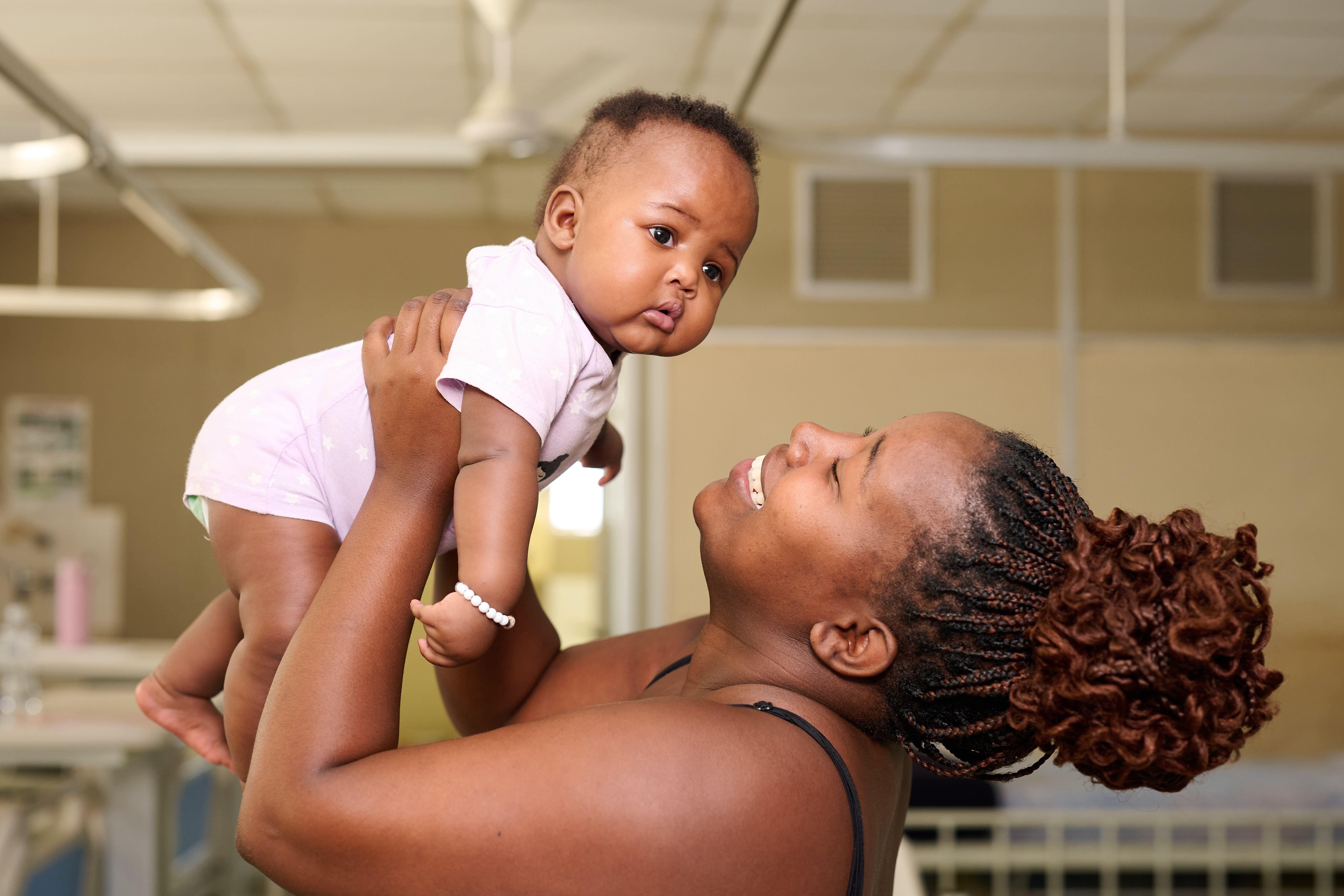
Sbonga with her baby. Credit: UNICEF/Ngcobo/2026
A Model That Works
Across Eastern and Southern Africa, adolescent girls continue to face high rates of early pregnancy, HIV, and gender-based violence. UNICEF funded peer mentors are helping adolescent girls navigate complex health, education and economic challenges, ensuring they are not lost between services.
“Evidence shows these models build confidence, reduce stigma and strengthen connections to learning and skills” says Boitumelo Morakile, UNICEF South Africa’s HIV Officer.
Across the region, countries including South Africa, are now scaling and embedding peer support into national systems because it works. In a context of shrinking aid, investing in programmes like this delivers real multiplier effects: improving outcomes not only for girls and their children, but for entire communities. It is both the right thing to do and a smart investment in Africa’s future.
Looking Ahead
Today, Sbongakonke sees her future differently. “My future will continue… even though I am a young mother.” The shift is deeply personal. “Having a child will never stop me from achieving my goals.” And she now shares that message with others. “Never lose hope… there are people who will support you.”
What motivates Andile most is seeing change in others. “To see a young woman smile again… to hear her say her life has improved, that is what keeps me going.” That transformation says it all. “When someone comes back to say, ‘You helped me…that means everything.”
Together, they are proving something powerful: With the right support, young motherhood is not the end of the story. It is the beginning of a new one.
The Young Mentor Mother program is a partnership between UNICEF and the Department of Health implemented in Gauteng, KwaZulu-Natal, Limpopo and Eastern Cape. The high impact model is now being scaled up to reach more young women across the country and in other countries in the region.