
Stay Informed
Get the latest news delivered to your inbox

The Day Amina Saw Her Baby
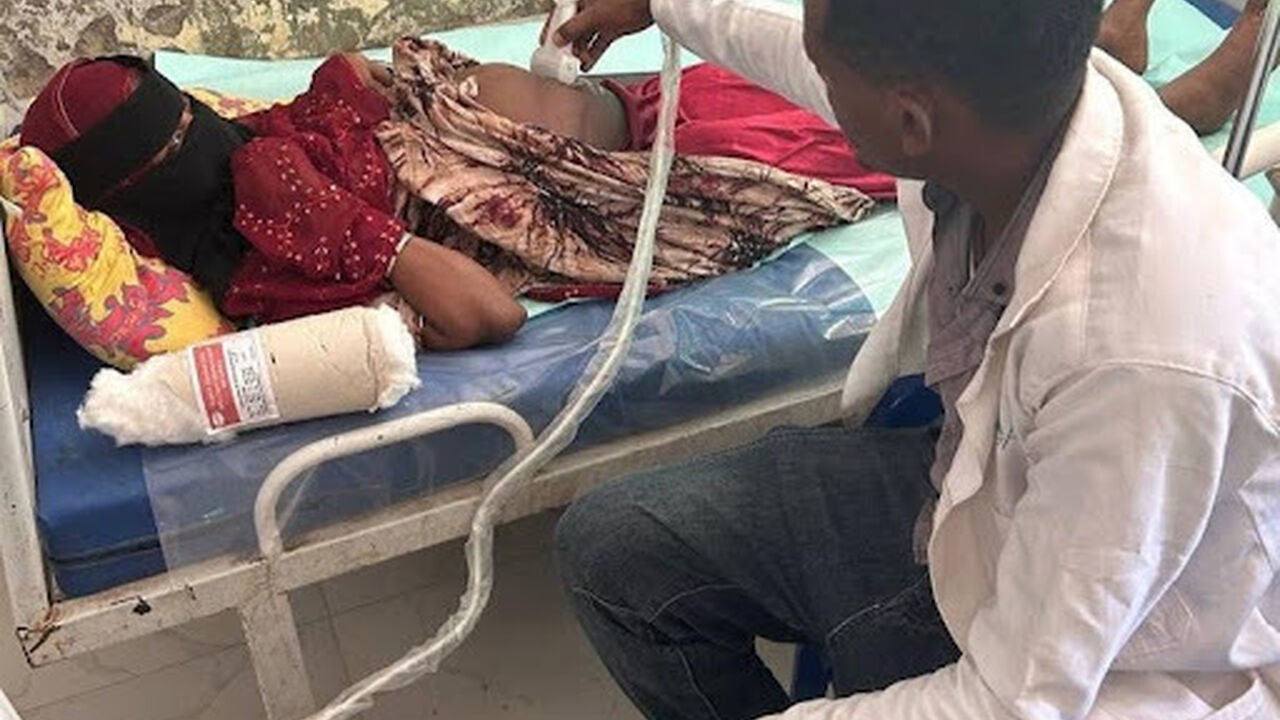
In Afar's remote pastoralist communities of Ethiopia, most women seek care only when labor begins. For 18-year-old Amina, an ultrasound and a place to wait changed that. Amina was expecting her first child when she saw her baby for the first time on a screen she had never seen before. "I never imagined I could see my baby before birth," she recalls, smiling.
For Amina, pregnancy can bring both joy and uncertainty. The weather is harsh, and transport is scarce, complicating travel when the nearest health facility is 15 kilometers away. For generations, women have had to make a practical choice: wait until labor starts, then seek help.
It is a choice, however, that can cost mothers and babies their lives.
In the Afar region, just one in three births take place in a health facility, compared to more than 60 per cent nationwide (2024 EDHS). Post-natal care for women in the region is even scarcer, as some 17 per cent of women will receive a check within the first two days of childbirth (2024 EDHS). Those first hours are when complications are most dangerous for mothers and their babies, and too few women are getting the life-saving, preventable care they need.
Amina might have followed a similar path. Then a Health Extension Worker came to her village on a routine household visit, speaking to women about antenatal care and encouraging her to attend a first check-up at the Wassama Health Center.
The ultrasound reassured her that her pregnancy was going well, and that she was having a baby boy. ‘’I never thought it would be possible to know the sex of the baby before birth. For me, that was like a miracle’’ she said
The ultrasound equipped the health team with information that a household visit could not: how the baby was growing, when the birth was likely to happen, and whether any risks needed watching.
As home was far away, the team advised Amina to wait for labor at the health center's Maternity Waiting Home. The home would provide a safe place to stay, nutritious meals, regular check-ups, and counseling throughout. "The Midwife, Yimer, welcomed me with kindness and explained everything," Amina says. "Staying at the maternity waiting home made me feel safe because I knew help was nearby whenever labor started"
Supported by the joint United Nations regional programme, 2gether 4 SRHR, the Wassama Health Center offers critical maternal and newborn services, including an ultrasound and Maternity Waiting Home, accommodating an average of 15 expectant mothers.
Ten days after arriving at the Maternity Waiting Home, Amina began to go into labor. Skilled birth attendants, including UNFPA-trained midwife Yimer, were steps away, supporting Anima as she safely delivered a healthy baby. Both the mother and her newborn received postnatal care before heading home.
“Having mothers like Amina nearby makes it easier for us to identify danger signs and make sure they deliver safely,” Yimer says. "That is why we believe waiting homes save lives. It is often very difficult for mothers to reach the health center on time because they live far away and only start the journey once they are in labour. By the time they reach us, it is often late."
Amina's positive experience shows what changes when three things come together: early antenatal care, an ultrasound, and a place to call home, close to skilled care. Risks are found early, referrals happen in time, and complications that might have been fatal become manageable.
Amina’s story began with a visit from a health worker and ended with a safe birth. Every pregnancy across the country and region deserves that same chance.