“I Felt Like I Was Home”: Lethokuhle’s Journey with Young Mentor Mothers
Mother and daughter
Stay Informed
Get the latest news delivered to your inbox
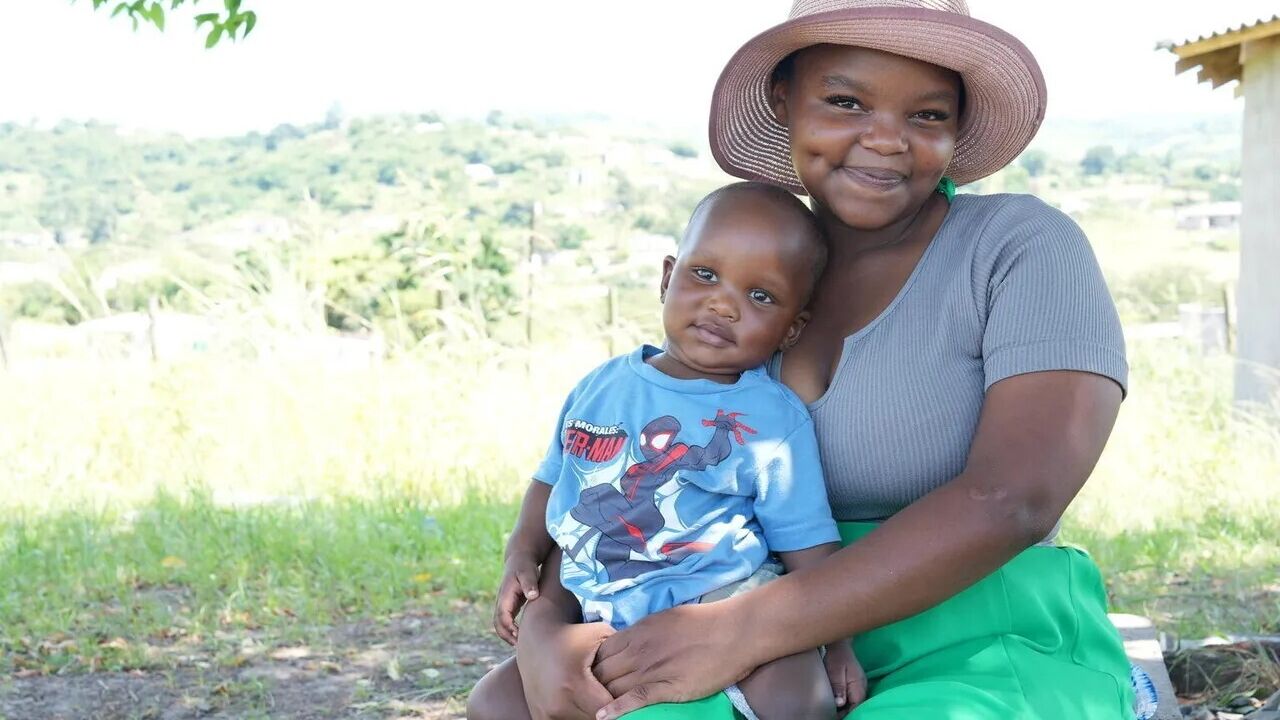
When Lethokuhle discovered she was pregnant, she was already seven months along. “I didn’t know,” she says quietly. “I took three tests. I thought I was fine.”
At 22 years old, she had finished school and was living at home with her parents. She had plans for the future, but motherhood was not something she had prepared for. When she realised she was expecting a baby, fear took over. “I was thinking about my parents. What would they say? Would they chase me away? Would I have anywhere to go?” At the time, the pressure felt overwhelming. “I couldn’t face it. I felt ashamed. Like I had betrayed myself.”
Finding Strength at Home
When Lethokuhle finally told her parents, their response surprised her. “They were calm,” she remembers. “They shouted a little — they are parents — but they didn’t hurt me. They supported me.” Her mother made sure she received medical care and accompanied her to appointments. “She didn’t want nurses to judge me for coming late,” Lethokuhle explains.
Still, the journey was emotionally difficult. Around the same time, she lost her sister. “I didn’t have anyone close to me. Only my parents,” she says.
“They Made Me Feel Safe”
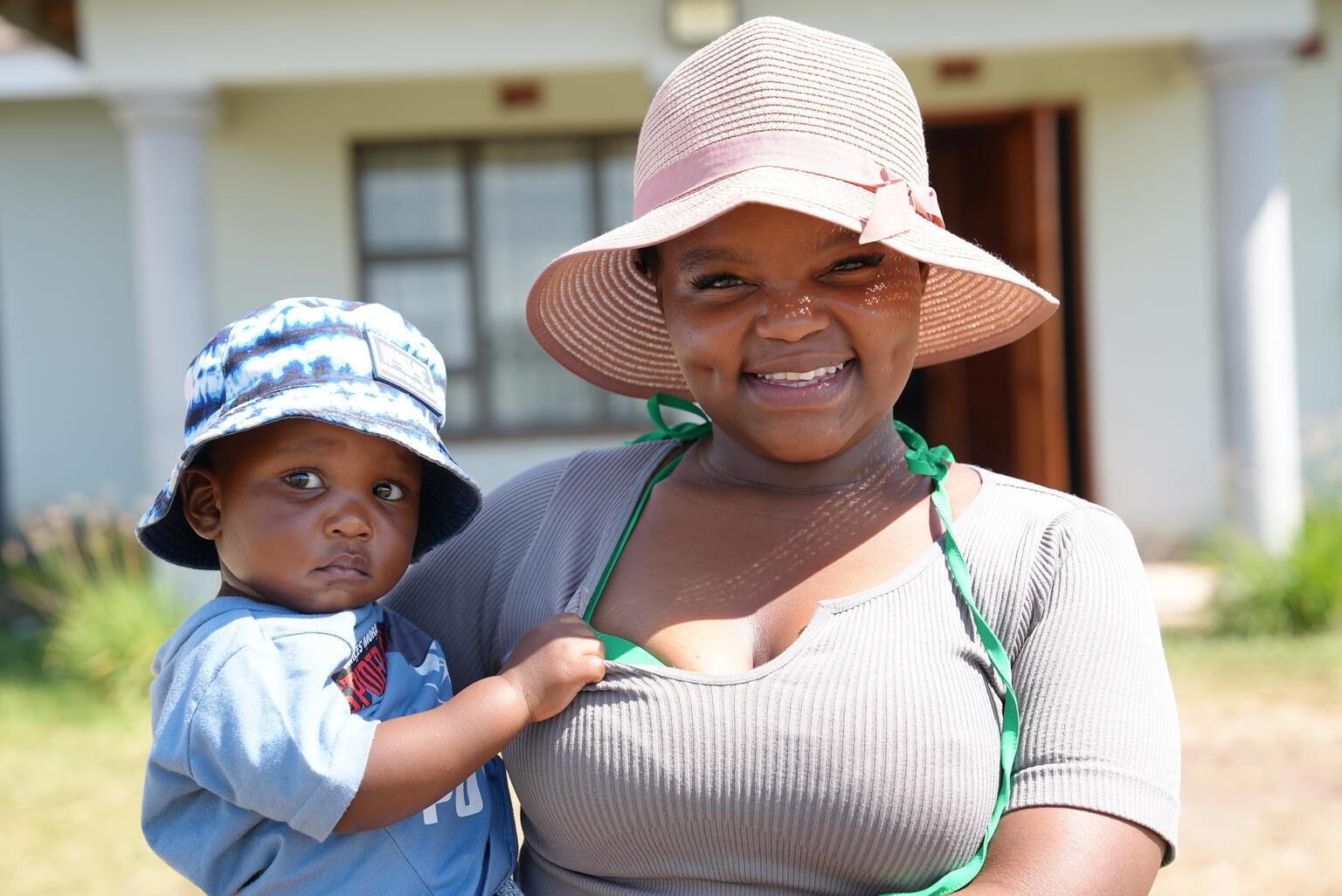
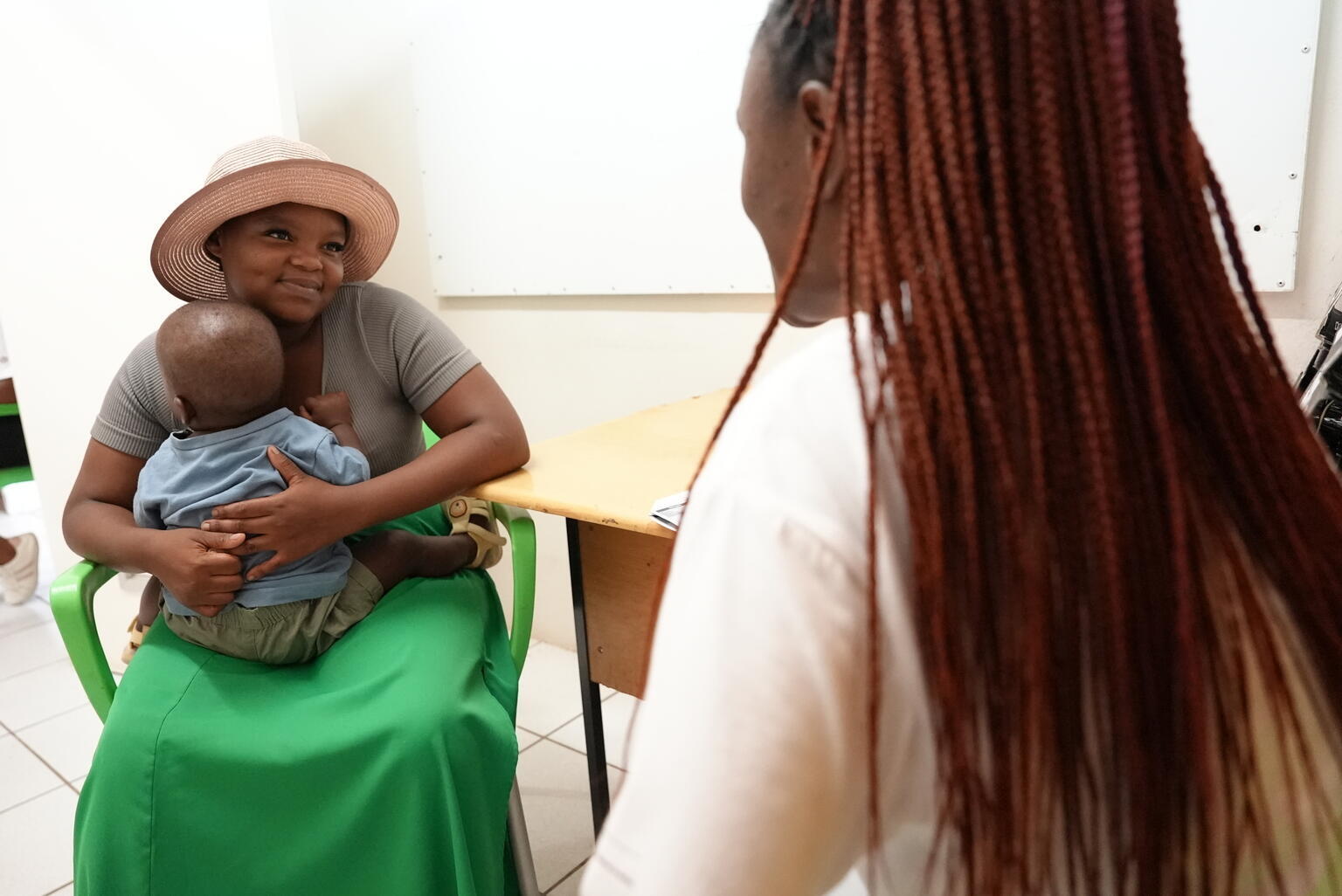
After her baby was born, Lethokuhle began visiting the local clinic in KwaZulu Natal for immunisations. That is where she met the Young Mentor Mothers — Sindiswa and Phumele. “I was relieved,” she says. “They asked about my life. They listened. They promised they wouldn’t share my story.”
For the first time, she felt she could speak openly. “I trusted them. I told them everything.” She describes their support as more than information. “They made me feel confident — as a person and as a mother. They comforted me. They supported me.”

Walking the Journey Together
For Sindiswa and Phumele, building trust is at the heart of their work. “We talk to them like someone we know,” says Phumele. “So they feel comfortable.” Confidentiality, respect, and empathy are central. “Everything we talk about is private,” Sindiswa adds. “That’s how we build trust.”
They provide health information, support with treatment adherence, advice on HIV prevention, and guidance on child health, parenting and mental health. But just as importantly, they share their own experiences. “Sometimes we say, ‘This happened to me too,’” Phumele explains. “So they know they are not alone.”
Becoming a Mother
Today, Lethokuhle speaks with pride about her child. “I feel proud to be a mother,” she says. “Many people said I wouldn’t make it. But I am doing it.” Raising a child on her own has not been easy. “It’s very hard,” she admits. “But I’m strong.” She dreams of studying hospitality in the future and building a stable life for her son.
“I want to give him a better life. I want to provide for him. I want to be there for him.”
Growing as Young Leaders
For Sindiswa and Phumele, becoming Young Mentor Mothers has also been life-changing. Before joining the programme, both were shy and uncertain about their abilities. “I wasn’t confident,” Sindiswa says. “Now I can stand in front of people and speak.” Phumele agrees.
“This job helped me accept who I am.” Through their work, they have gained professional skills — time management, communication, teamwork, data collection — and, for many, it is their first formal employment. “With this money, I can help my family,” Phumele shares. “I feel proud.”
Looking Forward
All three young women now speak about the future with hope. “This job opened my eyes,” Phumele says. “I can progress in life.” Lethokuhle agrees. “I know now that this is not the end. I still have a future.” Surrounded by supportive parents, caring young mentors mothers, and a health system that values psychosocial support and peer connection, she is building that future — for herself and her child.
And with Sindiswa and Phumele walking beside her, she is not walking alone.

Lethokuhle receives support from the Young Mentor Mother program (YMM). The program trains young women with lived experience to become mentors — supporting their peers with maternal and child health, sexual and reproductive health information, HIV prevention and treatment, mental well-being, parenting skills, and clear pathways back to education and other essential services. The program is a partnership between UNICEF and the Department of Health and has been implemented in Gauteng, KwaZulu-Natal, Limpopo and Eastern Cape.
At the same time, the program creates real skills and work opportunities. Young mentor mothers are trained, mentored, and supervised. They gain counseling and facilitation skills, develop leadership capacity, and build confidence, employability, and pathways into health and social development work. This support does more than respond — it empowers. It prevents future risk, protects young families, and strengthens communities. Through this approach, young mothers are staying in care, returning to school, strengthening their livelihoods, and building healthier futures for themselves and their children. With strong government leadership and continued support from UNICEF, this model is being scaled up to strengthen prevention, expand opportunities, and reach more young women across the country.