
Related Social Listening Scans
Social Listening Findings Q4 2025: 2gether 4 SRHR
[Please note this synthesis of what is trending on social media does not necessarily reflect UNICEF views].
This Q4 2025 quarterly social listening and community insights study covers 3 months of data between 1 October to 31 December 2025 across the ESA region in 5 languages (English, Portuguese, French, Arabic and Swahili).
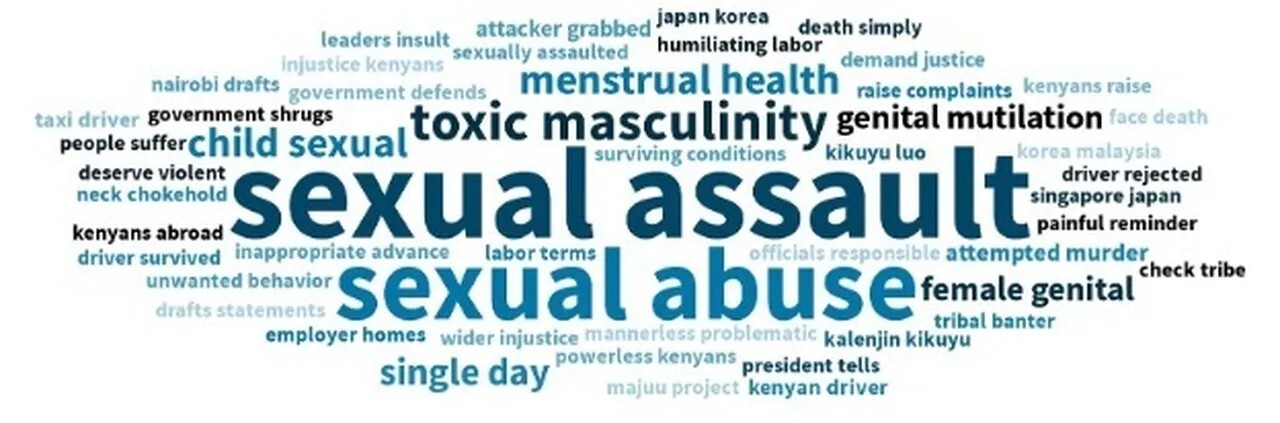
SRHR-related mentions focused on justice for survivors of sexual violence, with recurring outrage over rape, defilement and claimed weak institution responses. Engagement was driven by survivor testimonies, judicial failures and reproductive health-related content, sometimes distorted. South Africa, Kenya and Uganda led the engagement.
Trends
- Sexual violence & justice gaps: Repeated outrage followed reports of rape and child abuse, often amplified by public figures and media pages demanding accountability. Judicial failures such as bail grants, sentencing delays, and acquittals in defilement cases triggered frustration and debate.
- Menstrual and mental health: These narratives gained traction, including praise for menstrual leave policies and destigmatizing efforts.
- Disease prevention: STI and HIV prevention posts promoted PrEP, condom use, and clinical education; however, content advocating for traditional remedies continued to spread. Budget cuts for disease prevention was also a cause of concern among users.