‘The Nation of Tomorrow’: Meet the Midwives redefining maternal care, one birth at a time
Stay Informed
Get the latest news delivered to your inbox
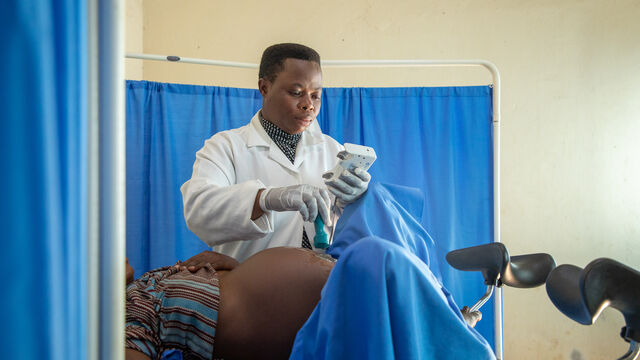
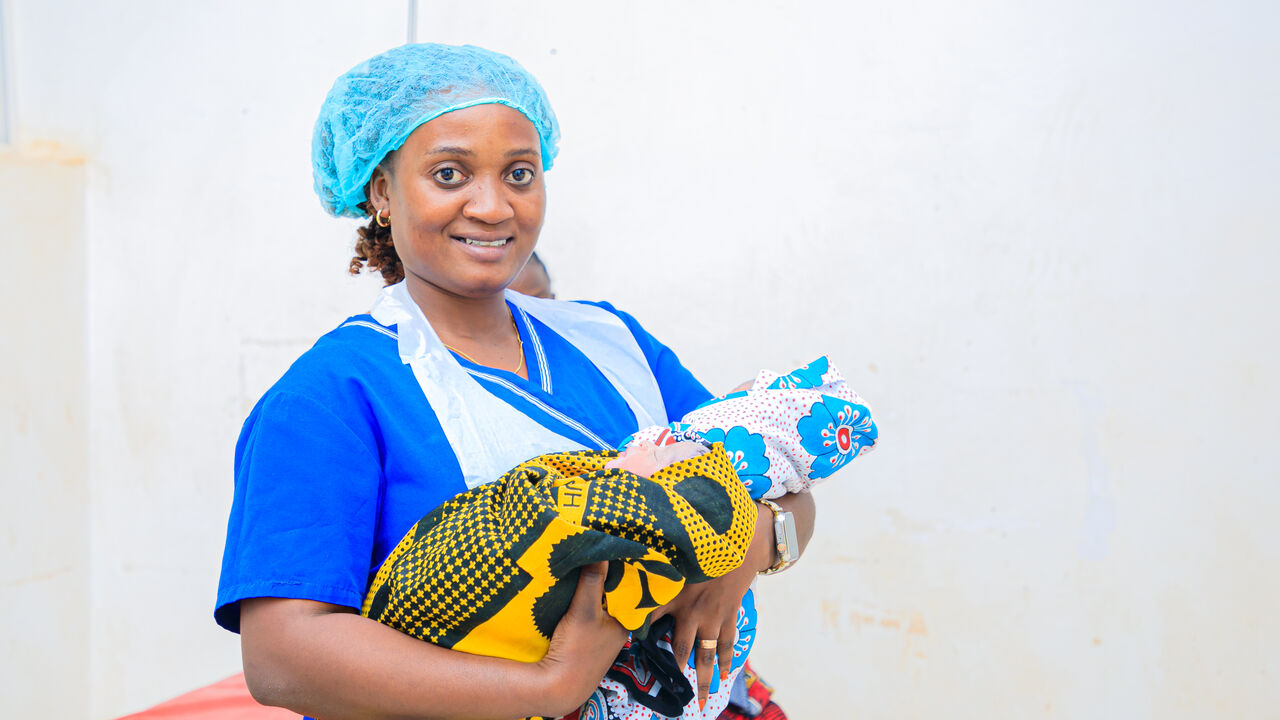
In remote areas across Tanzania, midwives like Saraphina and Janeth are dedicating their lives to making childbirth and motherhood safer.
And their hard work is paying off. The country has witnessed remarkable progress in reducing maternal mortality, roughly 80% in just seven years (2016-2022).
With this momentum, the country stands on track to achieve the global target of the Sustainable Development Goals (SDGs) of less than 70 deaths per 100,000 live births by 2030, and advance the commitments set in the country’s Health Sector Strategic Plan V (2021–2026) to reduce maternal and newborn mortality.
The drive guiding Saraphina - a midwife working in a labor ward - is clear: “My vision is to ensure that every woman in the community knows the importance of going to a health facility as soon as they become pregnant. They should follow the advice offered by healthcare providers because the baby she is carrying is the nation of tomorrow.”
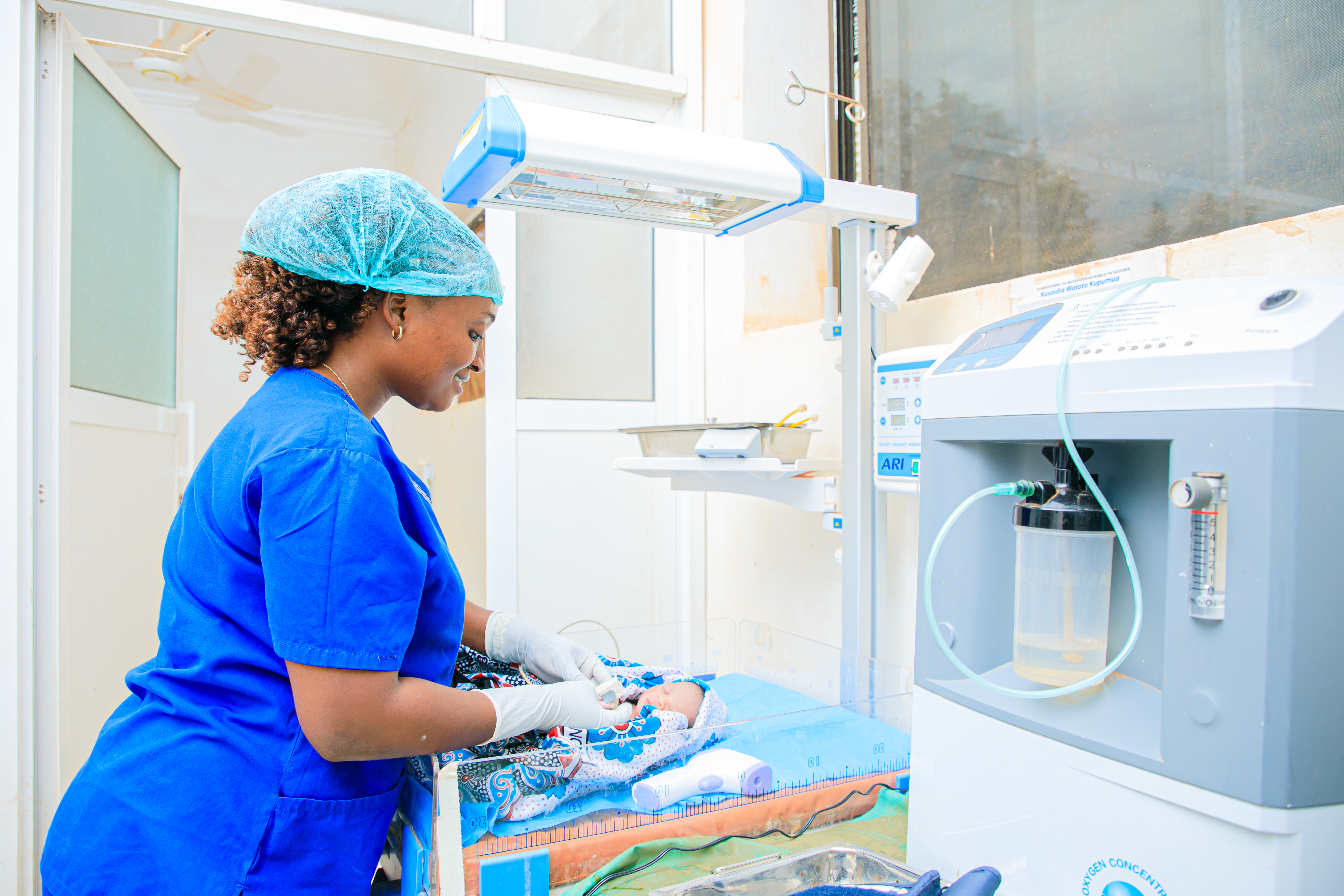
She utilizes new skills and tools like labor care guides to monitor all stages of labor and childbirth, reducing risks even in remote and low-resource settings, so women can safely give birth.
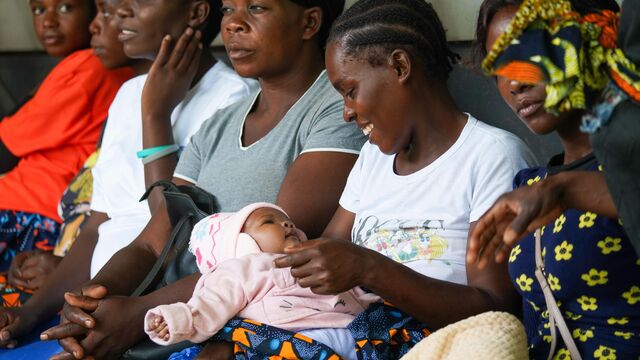
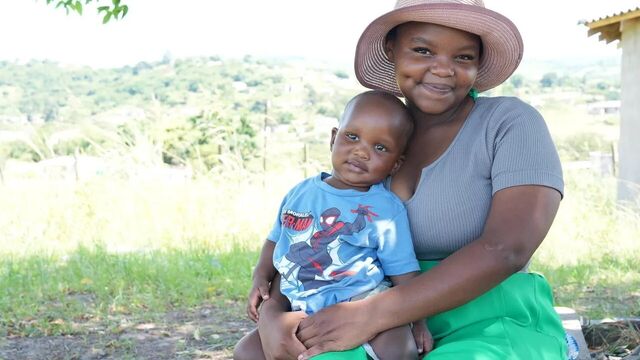
That care and dedication is making a lasting impact on some of the most vulnerable moments of a mother's life: “What made me come here [the health center] is to get good service, and give birth safely,” explains Herena, a mother to twins. “I am grateful to the midwife who helped me during birth…giving me words of encouragement, and even making me laugh.”
Herena’s decision to deliver in a health facility also reflects current national trends, with 85 per cent of births assisted by skilled providers (TDHS2022).
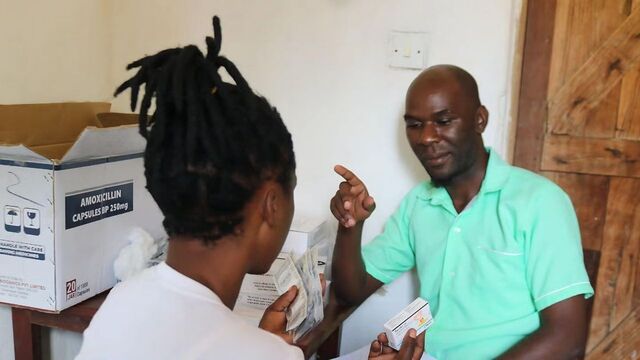
For some healthcare workers, it is often their personal experience that motivates the work that they do: “I’ve volunteered my life to help pregnant women,” highlights midwife Janeth. “From a young age, I have always loved [this work] because I saw what challenges my mother went through in motherhood that she would then tell me.”
To maintain this momentum, midwives like Janeth and Saraphina are being supported through 2gether 4 SRHR, a joint United Nations regional programme, funded by Sweden, that aims to advance sexual and reproductive health and rights in Tanzania, and across the region.
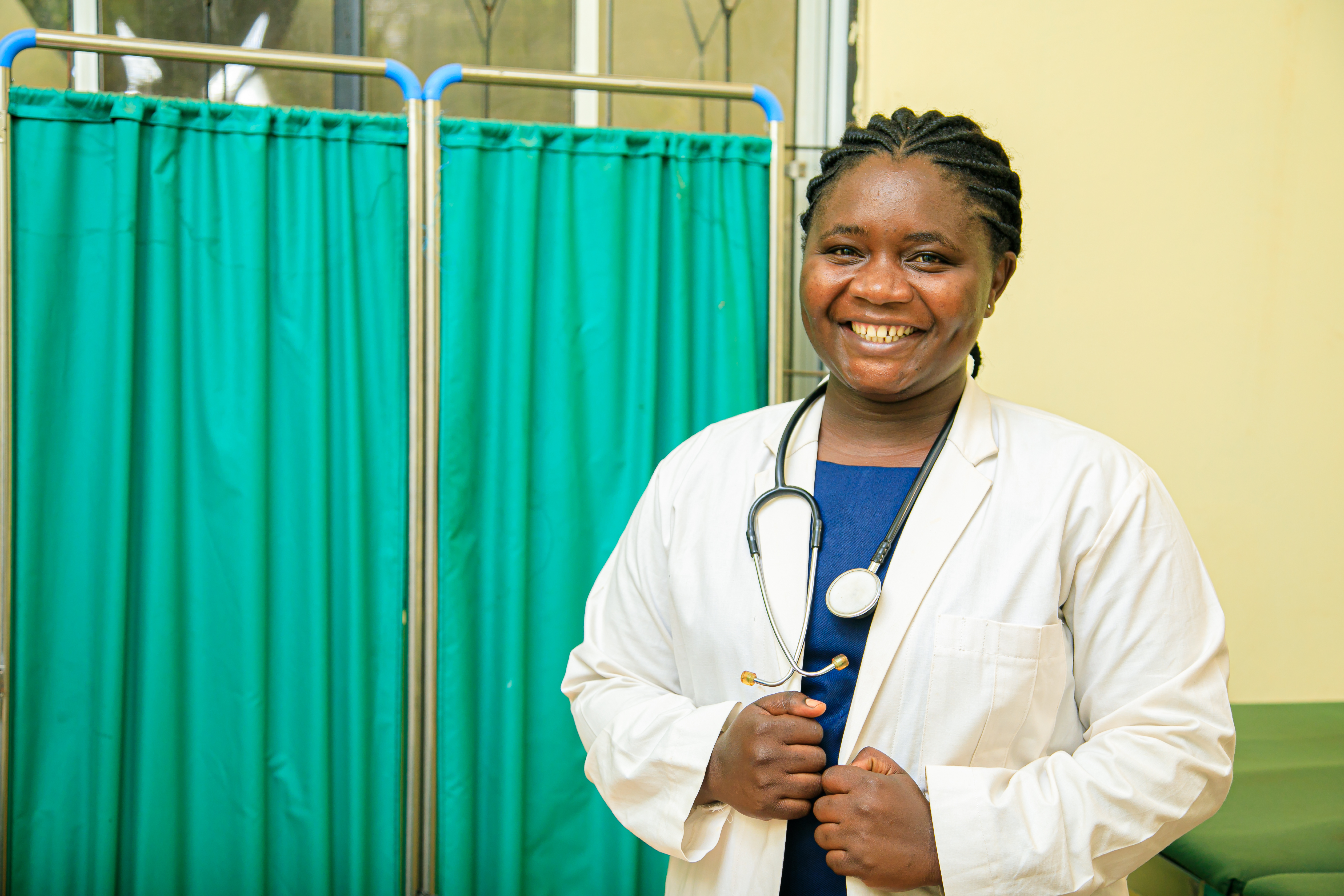
The programme is helping increase access to sexual and reproductive health and rights, HIV, and GBV prevention and response information and services in some of the most needed areas. One key component of this work has focused on improving maternal health outcomes for women like Herena, by enhancing service delivery, rolling out guidelines on improved, evidence-based healthcare, and training healthcare workers on issues like intrapartum care, postpartum family planning, and comprehensive post-abortion care.
“I work hard to help save the lives of mothers and babies,” Saraphina concludes.