"Nothing for us without us." Why I chose to live openly with HIV and why young people must help shape the services designed for them

Stay Informed
Get the latest news delivered to your inbox
By George Mfanando in Tanzania
"For many years, HIV was something people whispered about. Fear of stigma kept many young people silent. Some stopped taking treatment because they were afraid someone would find out. Others struggled with anxiety, depression or loneliness, believing they had to face those challenges on their own.
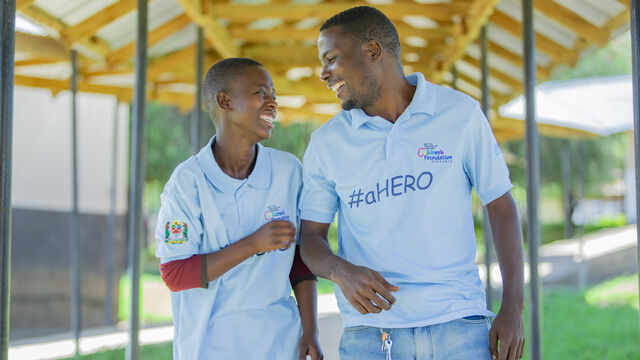
I understood those feelings because I was living with HIV too. That is one of the reasons I became a peer provider. I wanted other adolescents and young people to know they were not alone.
Living openly with HIV was not an easy decision. It meant making myself vulnerable in the hope that someone else might find the courage to ask for help, return to treatment or simply believe that life could still be full of possibilities. Looking back, it was one of the most important decisions I have ever made.
As a peer provider, I began facilitating sessions with adolescents living with HIV, supporting them to understand their treatment, build confidence and develop the life skills they needed to navigate adolescence. But our conversations rarely focused only on medication or clinic appointments. More often, they were about life.
Young people wanted to talk about relationships, friendships, dreams for the future, fear of rejection and the emotional weight of living with HIV. Many had never spoken openly about these experiences before. I quickly realised that mental health and HIV could never be separated.
When a young person feels hopeless, isolated or overwhelmed, taking medication every day can become incredibly difficult. Before we could talk about treatment adherence, we often needed to create a space where young people felt safe enough to talk about what they were carrying. That is what peer providers can offer. Because we share similar experiences, young people often tell us things they are not yet ready to tell anyone else. Trust becomes the starting point for healing.
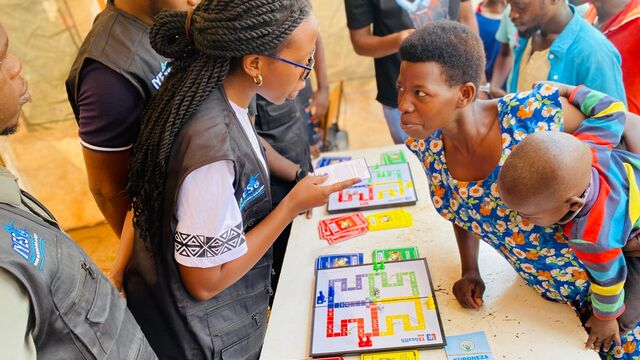
One of the most meaningful parts of my journey has been helping to establish a peer-led mental health initiative that creates safe, non-judgemental spaces for adolescents and young people. Sometimes those spaces look like structured group sessions. Sometimes they are simply conversations between young people who finally realise they are not alone.
Again and again, I have watched confidence grow as young people hear someone else's story and recognise parts of themselves in it. The silence begins to disappear. Shame is replaced by hope. Young people who once believed they had no future begin making plans for school, work, relationships and their lives beyond HIV. Those are the moments that stay with me.
Being a peer provider has also changed me. Every conversation has strengthened my confidence as a facilitator, counsellor and advocate. I have learned how to listen before offering advice, how to create spaces where young people feel respected and how to recognise that every person's journey is different. I have also learned that supporting others requires support yourself.
Listening to stories of stigma, discrimination, loss and emotional pain can be challenging. There are moments when peer providers also need someone to talk to. Supportive supervision, mentorship and opportunities to reflect on difficult experiences have been essential in helping me continue this work while protecting my own wellbeing. Peer providers are often asked to carry enormous emotional responsibility. Looking after our mental health is not a luxury. It allows us to continue supporting others.
Today, I continue facilitating sessions for adolescents living with HIV and advocating for services that genuinely reflect young people's realities. Too often, programmes are designed for young people without asking what they actually need. Young people are experts in their own experiences. When we are meaningfully involved in designing services, we identify barriers that others may not see. We help create programmes that are more welcoming, more responsive and more likely to succeed.
That is why I believe so strongly in the principle of "Nothing for us without us."
Meaningful youth engagement is not about inviting young people to participate after decisions have already been made. It is about recognising that our experiences are valuable expertise. When young people help shape services, everyone benefits.
Looking back, becoming a peer provider has taught me that my HIV status does not define my future. Instead, it has become part of my purpose. By sharing my story, I have seen other young people find the confidence to share theirs. By listening without judgement, I have watched young people reconnect with care, rebuild their confidence and begin believing in themselves again.
Every time that happens, I am reminded why peer providers matter. We are more than educators. We are trusted companions, advocates and bridges between young people and the health system.
Most importantly, we remind every young person that they deserve to be heard. Not simply as beneficiaries of programmes, but as partners in creating healthier futures for themselves and their communities. Because when young people help shape the services designed for them, those services become stronger.
And when young people living with HIV see someone who has walked the same path standing beside them, they begin to realise that their story is still being written".
- George Mfanando , 24 became a peer provider in Tanzania after seeing many of his peers struggle with mental health challenges, HIV stigma, and limited access to sexual and reproductive health information. His own journey of learning to live openly and confidently with HIV fuels his commitment to support others. He leads sessions for adolescents living with HIV, offers counselling, and supports a peer-led mental health initiative. Through these platforms, he provides life skills guidance, emotional support, and a safe, nonjudgmental space for adolescents and youth.