HIV, SRHR, Gender-Based Violence, HIV Prevention, Young Mentor Mothers, Adolescents and Young People, Adolescent and Young Mothers
"I never imagined being someone young mothers turned to for help" - How becoming a Mentor Mother transformed my life and the young women I support
Stay Informed
Get the latest news delivered to your inbox
By Karabo Mogoba in South Africa
"When I first became pregnant, I lacked confidence and knew very little about antenatal care. Like many young mothers, I was trying to navigate pregnancy while dealing with uncertainty, fear and many unanswered questions.
I never imagined that one day I would become the person other young mothers turned to for guidance.
Joining the Mentor Mother programme changed the direction of my life. At first, I was receiving support. Before long, I realised I wanted to give that same support to other young women facing challenges similar to my own. Becoming a peer provider gave me knowledge, confidence and purpose in ways I never expected.
Through my training, I learned about the stages of pregnancy, monitoring viral loads, infant PCR testing and treatment adherence. But perhaps the most important thing I learned was how to turn clinical knowledge into conversations that young people could understand. Facts and guidelines became reassurance, encouragement and practical support, shared by someone who had walked a similar path.
Today, I support adolescents and young mothers living with HIV to stay engaged in care, continue taking their treatment and believe that they and their babies can have healthy futures. I have also grown into a supervisory role, supporting other peer providers as they begin their own journeys. Every day reminds me why peer support matters.
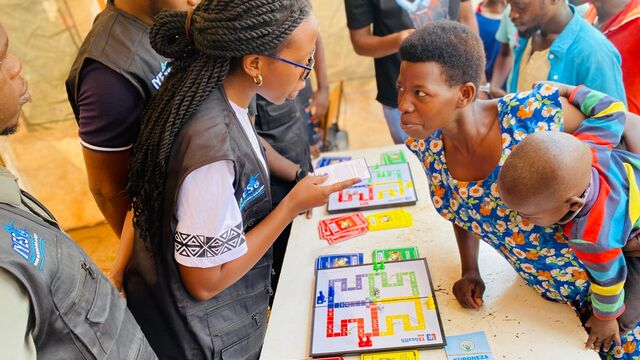
Young women often shared things with me that they had never told anyone else. They spoke openly about pregnancy, HIV, relationships, fear and the challenges they faced because they knew I understood. I wasn't speaking from a textbook. I was speaking from lived experience. That shared understanding built trust.
Sometimes young women didn't need someone to tell them what to do. They simply needed someone who would listen without judgement, remind them they were not alone and help them find a way forward.
The work was incredibly rewarding, but it was also emotionally demanding. Many of the young women I supported struggled to stay on treatment. Some questioned whether taking medication every day was worth it. Others missed clinic appointments because they couldn't afford transport, were worried about missing school or were afraid of being recognised at the clinic.
Those conversations taught me that improving health outcomes isn't only about making services available. It is about understanding the realities young people face and helping them overcome the barriers that stand between them and the care they need.
One experience has stayed with me more than any other. I was supporting a young mother living with HIV whose baby had also acquired HIV. The baby's viral load remained high despite treatment, and the mother was beginning to lose hope. We spent time talking through her fears, discussing the importance of treatment and finding practical ways to help her continue caring for herself and her child.
Slowly, things began to change. The mother regained confidence. She continued bringing her baby for care and remained committed to treatment. Eventually, the baby's viral load became suppressed. I often think about that family.
It reminds me that peer providers do far more than share information. We help young people believe that difficult situations can improve. We build trust, strengthen confidence and walk alongside young people when they need someone most.
Being a peer provider has also transformed me. I have grown from a young mother who lacked confidence into someone who supports other peer providers and advocates for adolescents and young mothers in my community. Along the way, I have had opportunities to share my experiences more widely, including when UNICEF visited our clinic to learn about our work. Moments like these remind me that the everyday conversations we have with young people matter, not only for individual lives, but for improving programmes that support adolescents across our region.
One lesson I have learned is that peer providers also need support. Listening to stories of trauma, loss and uncertainty every day can take an emotional toll. Supervision, peer support and guidance from mental health professionals have helped me process those experiences and continue supporting others with compassion and empathy. Mental health is not separate from our work, it is central to it.
When young people know that someone truly understands them, they begin to believe that things can get better. Sometimes simply sharing my own story has helped another young person realise they are not alone. Those moments of connection often become the first step towards returning to treatment, seeking help or believing in themselves again.
Looking back, I realise that my journey has come full circle. I began as a young mother looking for guidance. Today, I am the person other young mothers look to for support.
That journey has shown me what is possible when young people are trusted, trained and supported to lead. Peer providers do not replace nurses or doctors. We strengthen health systems by building trust where it matters most. Every young person deserves someone who understands their journey because they have lived it too.
And sometimes, that understanding can change a life".
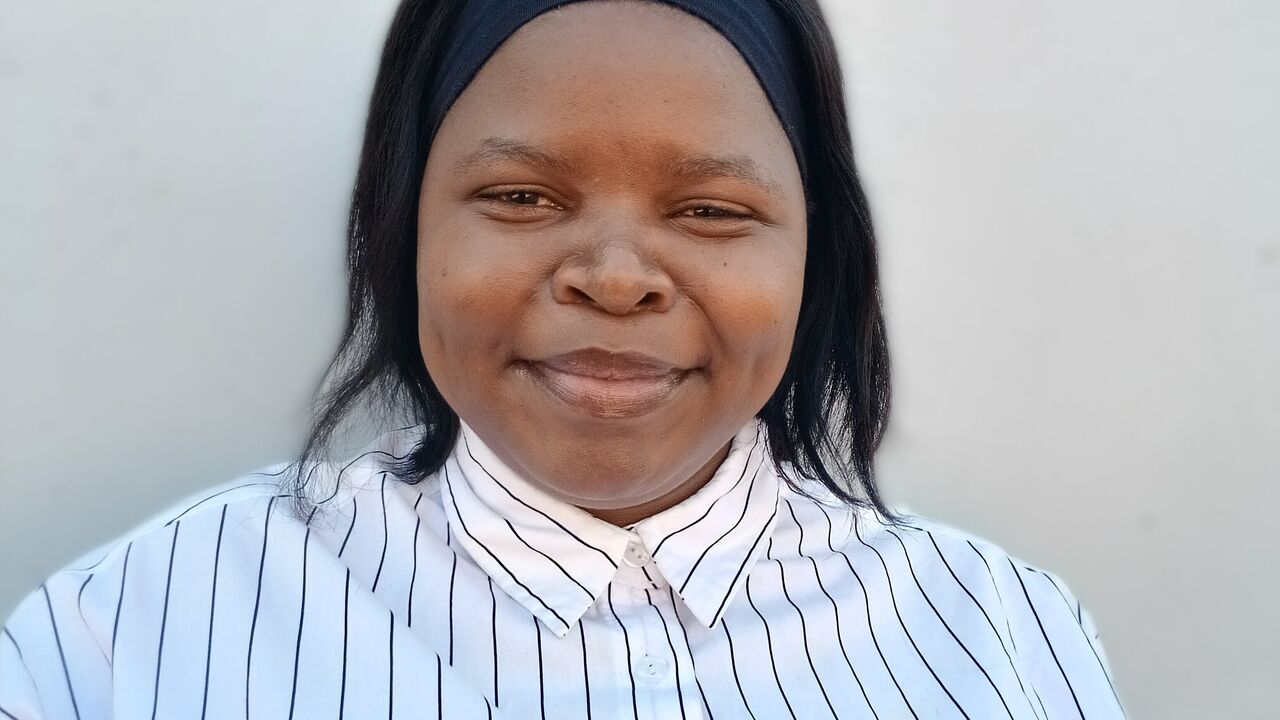
- Karabo, 24 is a Clinic-based Mentor Mother in South Africa.