Mulanje, Malawi - When Cyclone Freddy crashed into Mulanje in 2023, swollen rivers burst their banks, bridges disappeared overnight, and entire villages found themselves cut off from the outside world.
Families lost homes, crops and loved ones, and for many young people, another crisis was unfolding. Health services had become unreachable just when they were needed most.
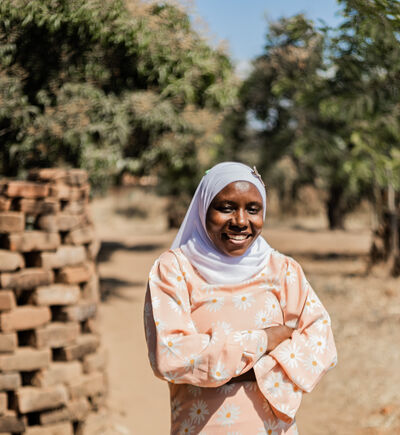
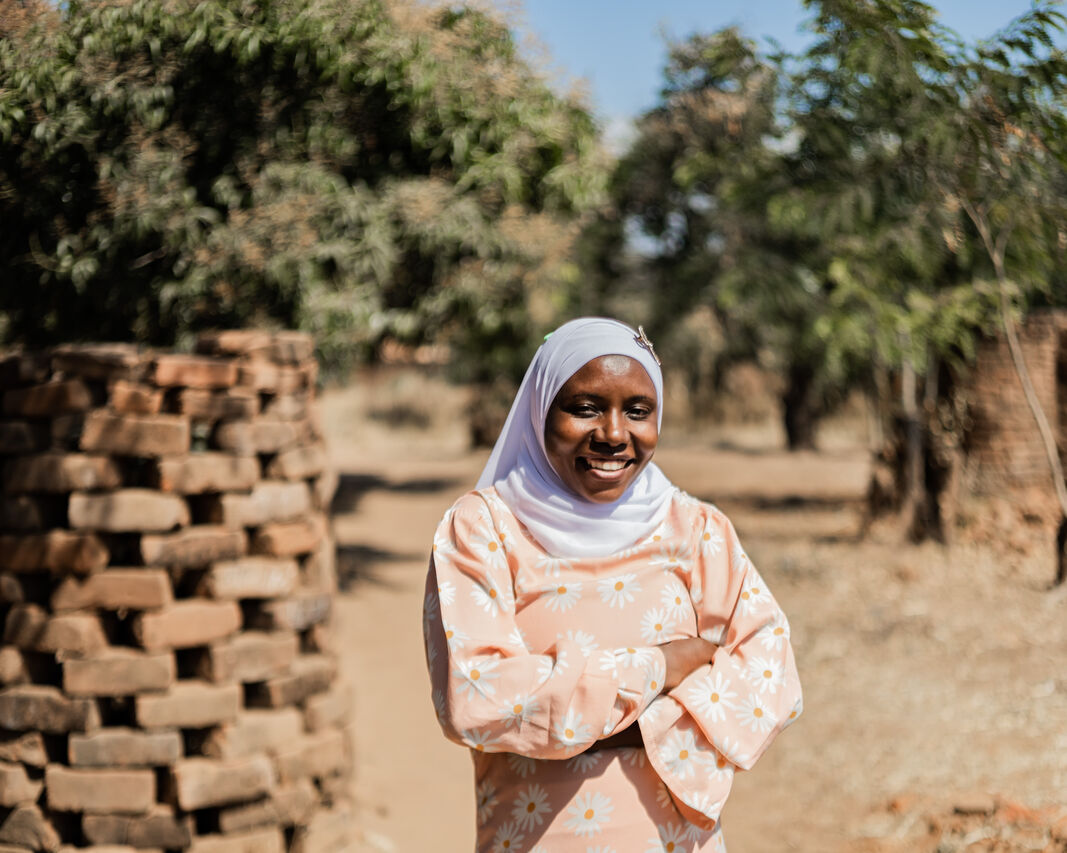
For Enelesi Naseta, those days remain impossible to forget: "We used to hear stories about a cyclone that affected our district many years ago, and how many people lost their lives," she recalls. "We thought those were just stories. Then Cyclone Freddy came, and we experienced the same pain ourselves. Almost everything was swept away, and we had to abandon our destroyed homes to sleep in tents."
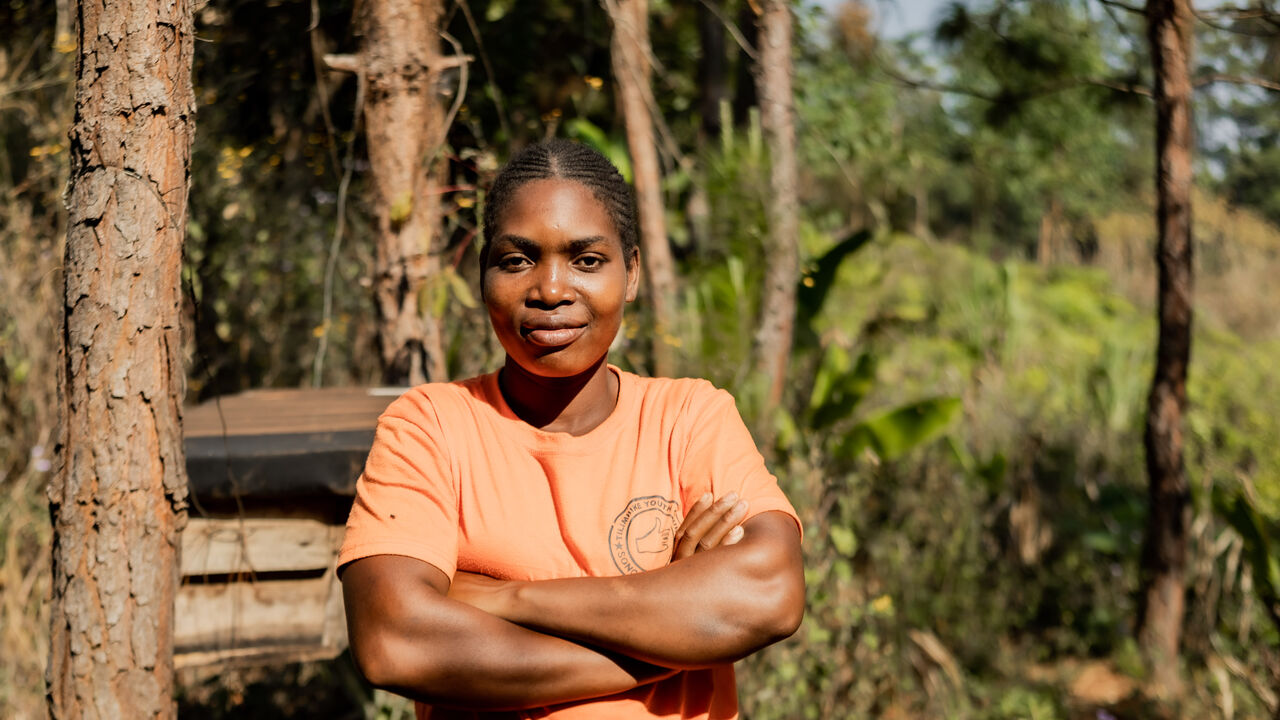
Long before disaster struck, Enelesi had found comfort at Tilimbike Youth Club, a place where young people could speak openly about issues they often kept to themselves. In a community where conversations about sexuality were considered taboo, the youth club offered a safe space for young people to speak without judgement.
"Our community is still very reserved. Young people find it difficult to discuss issues about sexuality openly because many older people see it as something that should never be talked about."
That openness became even more important after the cyclone. With floodwaters isolating the community from nearby health facilities, access to medicines, contraceptives and sexual and reproductive health services disappeared almost overnight.
"Many young people who depended on those [health] services were stranded. Without access to protection, some ended up having unprotected sex, which led to unintended pregnancies,” Enelesi says. For other families who had lost crops and steady income, marrying off their daughters became the only way to survive.
As the floodwaters receded and communities slowly began rebuilding, young people started asking difficult questions: Why had the destruction been so severe? Could anything be done differently before the next disaster?
In response, leaders from the Tilimbike Youth Club began receiving training from 2gether 4 SRHR to not only understand sexual and reproductive health and rights, but also how climate change can intensify existing vulnerabilities.
During the discussions, members noticed something striking: areas where trees had remained largely intact appeared to suffer less erosion than places left bare.
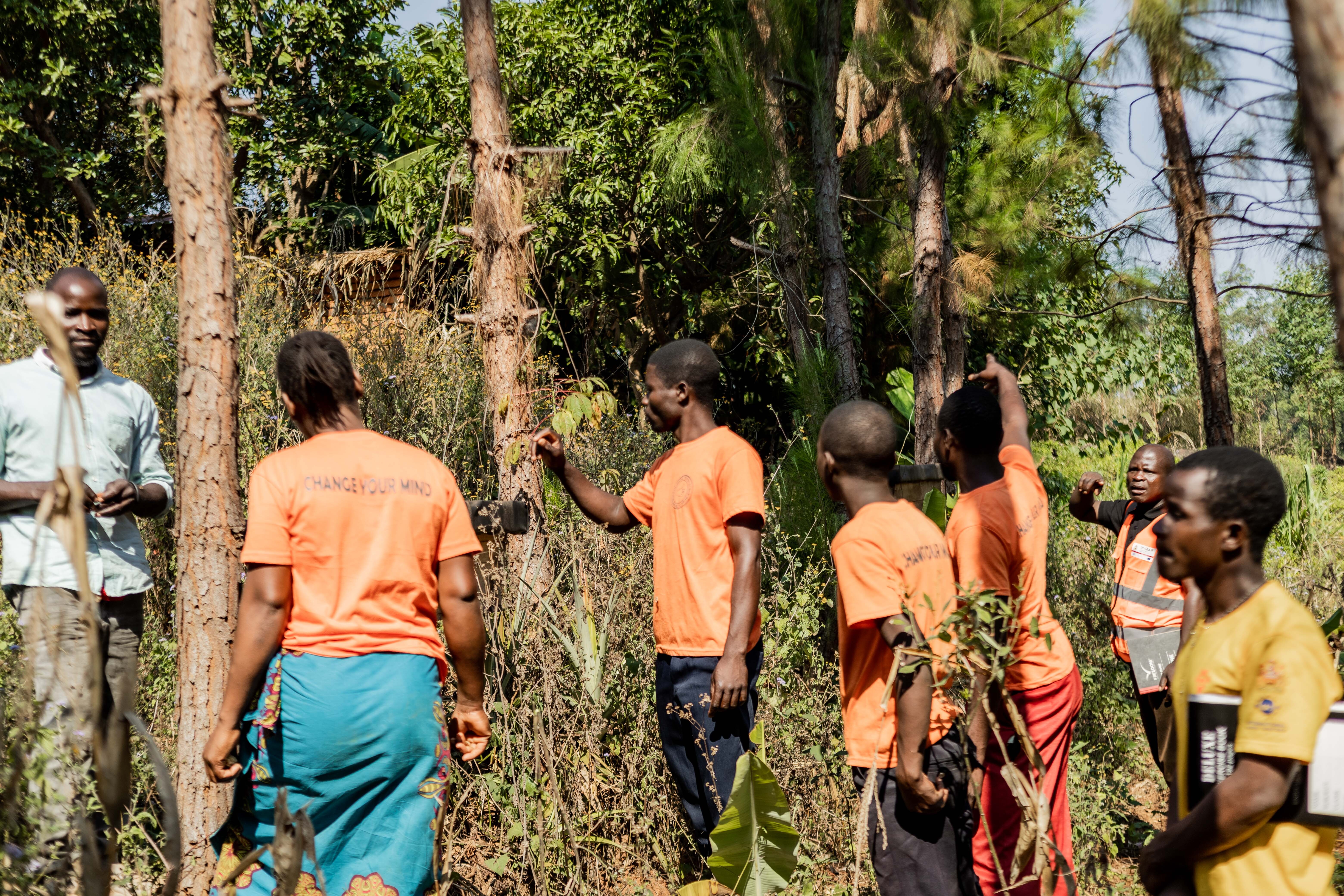
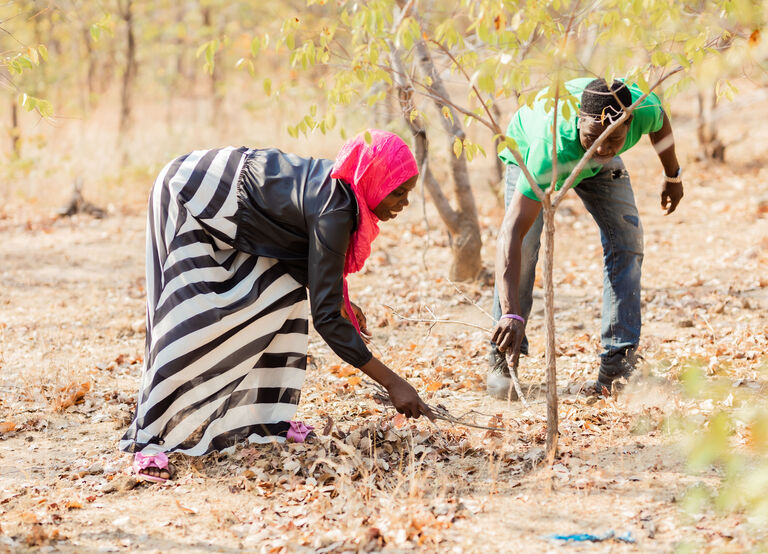
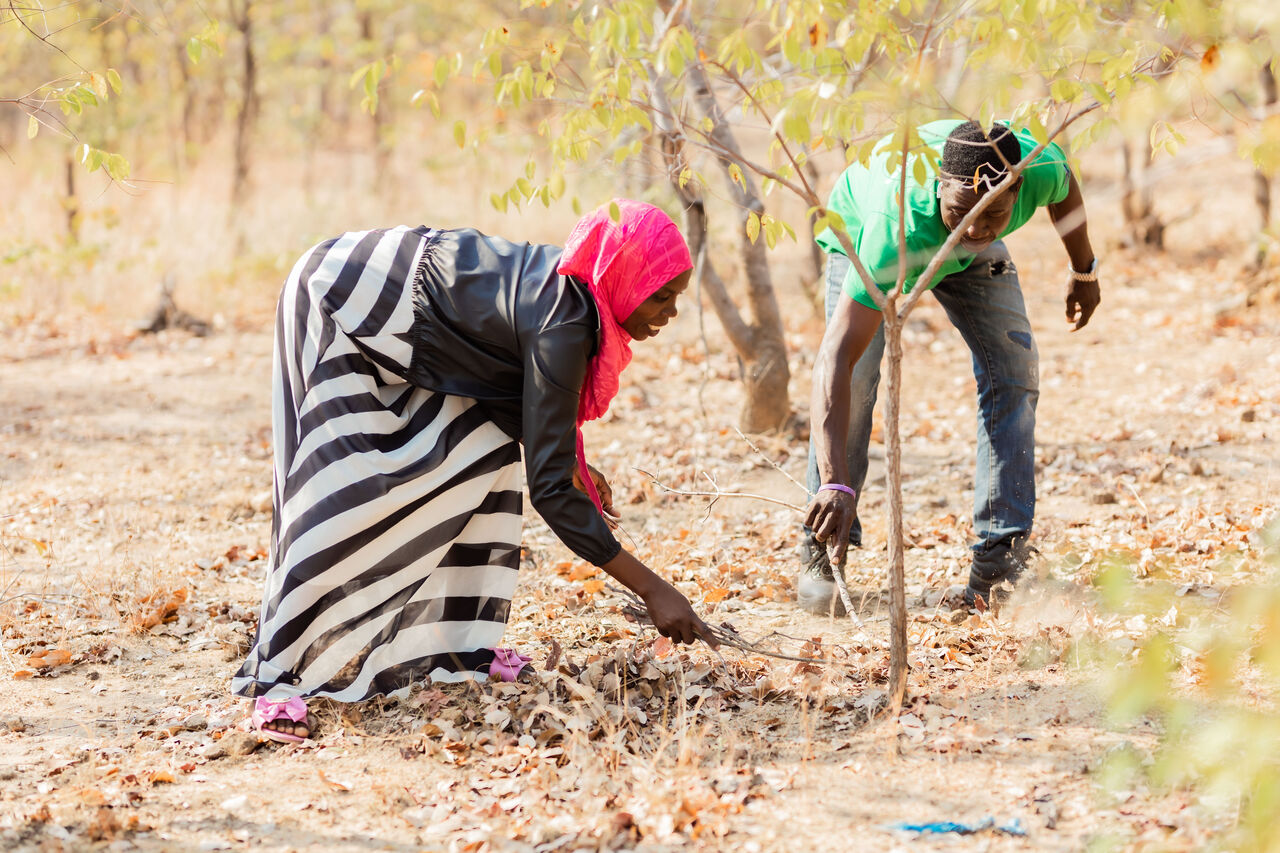
That observation sparked an idea. The youth club approached community leaders and requested land to restore degraded areas by planting pine trees, focusing on riverbanks and upland areas that had been stripped of vegetation. They also worked with the Forestry Department to identify the tree species best suited to the area.
"Our focus was on the riverbeds and uplands that were bare," Enelesi explains. "Those were the places where we experienced severe erosion and mudslides that buried homes and even people."
The initiative was about more than restoring the landscape. The group wanted to create an income that could sustain the youth club, while helping protect their community from future shocks.
"Our climate restoration efforts were linked to making sure young people would never again be left without access to sexual and reproductive health services. When the trees had grown, we introduced beekeeping to generate income for the club."
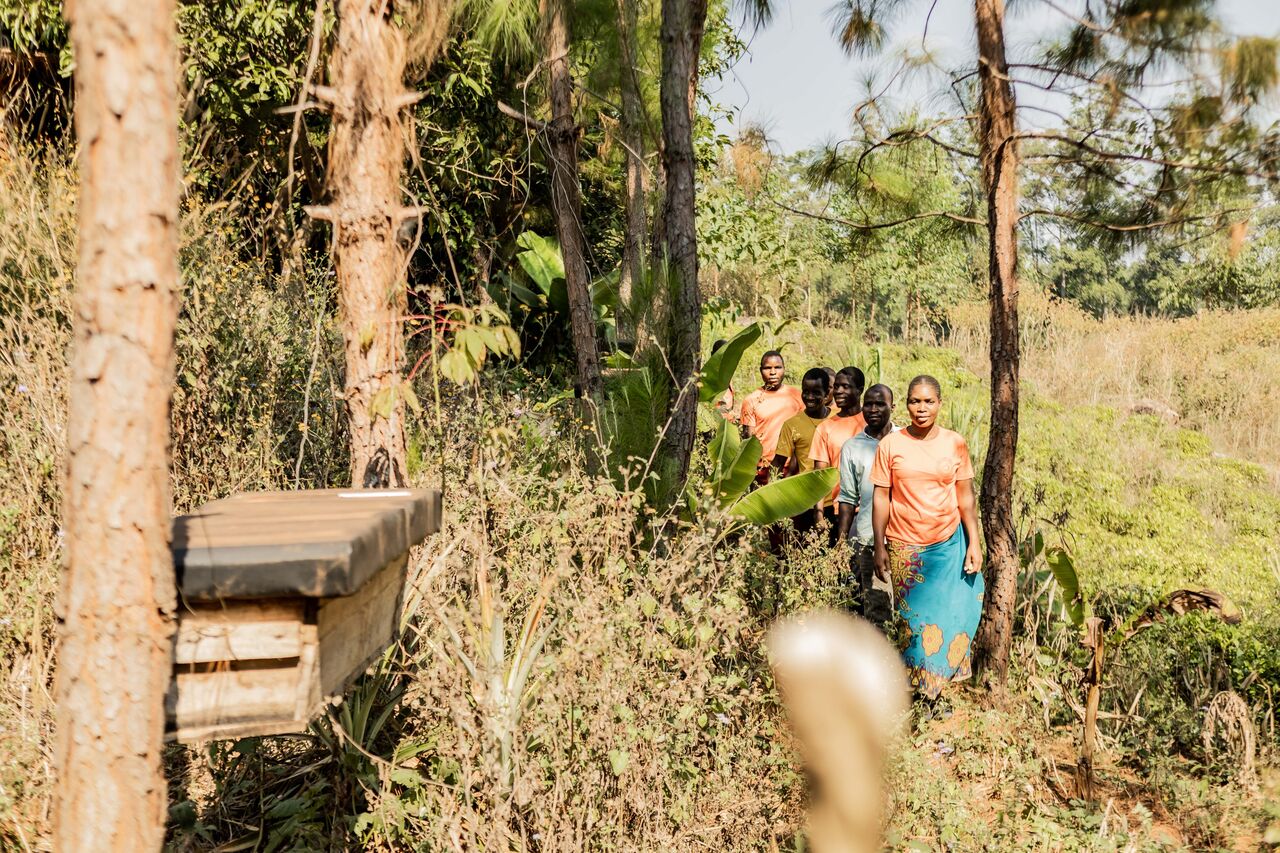
The idea proved practical. Today, beehives are scattered throughout the growing forest, with the club harvesting about 40 litres of honey per month. By selling it within the community, the income has become a lifeline for activities that extend beyond environmental conservation.
Miliyasi Watson, another member of the youth club, says the project has transformed how young people think about both their environment and their future.
"Our sessions focus on sexual and reproductive health and how young people can protect themselves from unintended pregnancies," he says. "But those are not the only challenges facing our community. We also look at how protecting the environment strengthens everything else because our livelihoods depend on it."
The beekeeping enterprise has allowed the club to fund awareness campaigns on child marriage and gender-based violence. For some girls, that support arrived just in time. Many parents, unable to afford school fees, uniforms or books after losing their farms, saw marriage as their daughters' only option.
"When we approached parents, they would ask whether we would help their children if they withdrew them from marriage," Enelesi says. "We said yes because we had money from selling honey."
The proceeds helped support vulnerable girls to remain in school, while also financing outreach activities that take information directly to young people in hard-to-reach areas.
Recovery also revealed another invisible consequence of the disaster. Many young people were struggling emotionally after losing homes, livelihoods, and a sense of security. Yet mental health services were almost non-existent in the area.
"We had many young people facing mental health challenges, but we didn't have the expertise to support them," says Miliyasi. "So, we used our resources to invite specialists from the district health office to talk to them."
Contribute to the 2gether 4 SRHR Knowledge Hub by submitting the latest research, resources and knowledge products linked to sexual and reproductive health and rights


 Video
 Video